
When it comes to updating a dated kitchen, homeowners often start with the cabinets. Because cabinets take up so much visual space, refreshing or replacing them can change the look of the entire room. For those working with a limited budget or trying to avoid a full remodel, it may be the most practical place to begin.
However, refreshing and replacing cabinets involve very different levels of work and investment. Understanding the condition of your existing cabinets can help you decide whether a few thoughtful updates will be enough or whether starting over makes more sense. This guide breaks down the key differences and the signs to look for before making your decision.
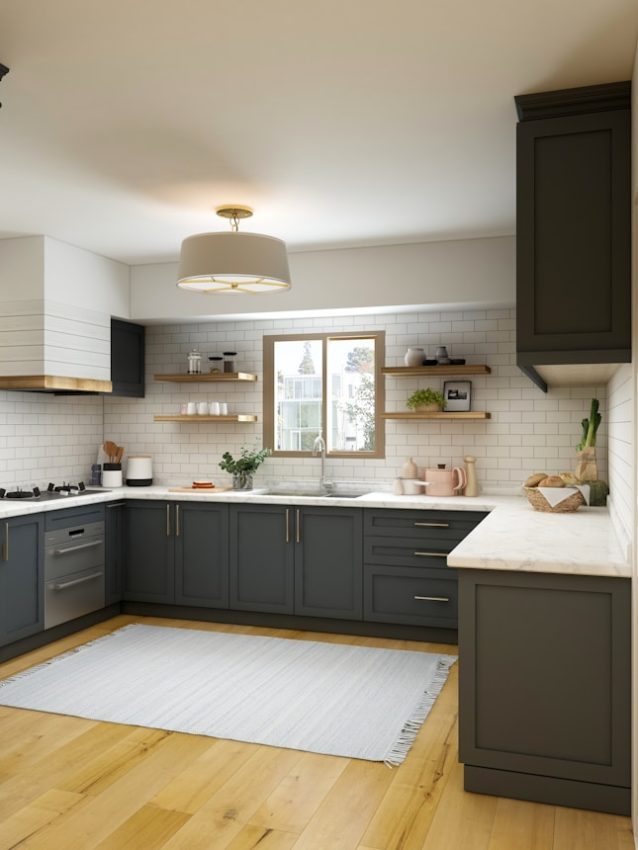
Kitchen Cabinet Refresh Vs. Replacement: What is the Difference?
Most homeowners would start by asking a local cabinet specialist to assess the condition of their kitchen cabinetry. However, not all outdated cabinets need to be removed and replaced. In some cases, a kitchen cabinet refresh can improve the look and function of the space while preserving cabinets that are still structurally sound.
Here are the main differences between a kitchen cabinet refresh and a replacement:
Kitchen Cabinet Refresh
- Keeps the existing cabinet boxes in place
- May include painting, new hardware, minor repairs, or updated hinges
- Can also include cabinet refacing with new doors and drawer fronts
- Works best when the cabinets are structurally sound
- Keeps the current kitchen layout largely unchanged
- Usually involves less cost and disruption
- Focuses mainly on improving appearance and minor functionality
Kitchen Cabinet Replacement
- Removes the existing cabinet boxes and installs new cabinetry
- Allows changes to the kitchen layout and cabinet dimensions
- Can improve storage, accessibility, and appliance placement
- Addresses water damage, weak materials, or structural problems
- Offers more freedom in door style, finish, and internal features
- Usually requires a larger budget and a longer installation process
- Makes sense when the existing cabinets are no longer worth preserving
When Kitchen Cabinet Refacing Makes the Most Sense
Kitchen cabinet refacing can be a practical way to update cabinets that are still structurally sound but look dated or worn. It is a simple way to add character to your home without taking on a full renovation.
Here are some situations where refacing your kitchen cabinets may make sense.
- The Cabinet Boxes Are Solid and Secure: Refacing works best when the existing cabinet boxes are sturdy, dry, and firmly attached to the wall. Minor wear is usually not a concern, but swelling, cracking, soft spots, or separating joints may indicate that the cabinets need more than a surface update.
- The Current Kitchen Layout Still Works: Since refacing keeps the original cabinet boxes in place, it will not significantly change the layout. It may be a good fit if you are satisfied with the location of your cabinets and appliances but want the kitchen to look more current.
- You Want More Than a Fresh Coat of Paint: Painting kitchen cabinets can improve their appearance, but it does not change the door profile or conceal every type of surface damage. Refacing may be the better choice when you want a more noticeable transformation or when the existing doors are not suitable for repainting.
- You Want to Limit Cost and Disruption: Because the cabinet boxes stay in place, refacing is generally less disruptive than full replacement. It can reduce demolition and shorten the time your kitchen is affected, making it appealing to homeowners who want a substantial update without taking on a complete remodel.
- You Are Not Planning Major Appliance or Storage Changes: Refacing is most suitable when you intend to keep the current cabinet dimensions. If you plan to install larger appliances, add an island, create more drawer storage, or change the kitchen workflow, replacing the cabinets may provide greater flexibility.
Kitchen Cabinet Refresh Ideas for a Budget-Friendly Update
You do not have to change every part of your cabinetry to make the kitchen feel new. Choosing a few high-impact updates can refresh the space, add personality, and help you get more from the cabinets you already have. Some simple ways to update your existing cabinets include:
- Repaint the Cabinets: A new color or finish can completely change the mood of the kitchen. Lighter shades can make the room feel brighter, while deeper tones can add warmth and contrast.
- Replace the Hardware: New knobs and pulls are one of the quickest ways to update dated cabinets. Choose a style that works with the rest of the kitchen, so the change feels intentional.
- Upgrade the Hinges and Drawer Slides: Soft-close hinges and smoother drawer slides can make older cabinets feel more refined. This type of update improves daily use without changing the appearance of the cabinet boxes.
- Add Interior Organizers: Pull-out shelves, tray dividers, and drawer inserts can help make better use of the space you already have. These additions are especially useful in deep cabinets or crowded drawers.
- Replace Selected Doors or Drawer Fronts: If only a few areas look worn, replacing individual doors or drawer fronts may be enough. This allows you to address visible damage without updating the entire kitchen.
Signs You Need New Kitchen Cabinets
A cabinet refresh can improve appearance and function, but it has limits. In some kitchens, replacement offers a better foundation for lasting improvements and gives homeowners more flexibility to rethink the space. A few signs that it may be time for a kitchen cabinet replacement are:
- The Cabinet Boxes Are Damaged: Cracked joints, sagging shelves, soft spots, or cabinets pulling away from the wall can point to structural problems. New paint or doors may improve the appearance, but they will not restore a failing cabinet box.
- There Is Widespread Water Damage: Leaks near the sink or dishwasher can cause cabinet materials to swell, crumble, or separate. When the damage affects several areas or has weakened the cabinet structure, replacement is often more practical than repair.
- The Cabinets No Longer Hold Hardware Securely: Hinges and drawer slides can usually be replaced. However, if screws repeatedly loosen because the cabinet material is deteriorating, new hardware may only provide a temporary solution.
- The Layout No Longer Works: Cabinet replacement may make sense when the kitchen has inaccessible corners, too little drawer space, awkward appliance placement, or limited storage. Starting over allows the cabinetry to be planned around how the kitchen is used.
Final Takeaways
Your cabinets may not need a complete overhaul to make the kitchen feel more current. Paint, new hardware, better storage, or refacing can all extend the life of cabinets that are still worth keeping. However, these updates are less effective when the underlying boxes are damaged, or the kitchen no longer functions well. A careful assessment can help you decide whether to preserve what still works or rebuild around your current needs.