
One of the main challenges of renovating an old kitchen while still trying to preserve its character is deciding what should stay and what genuinely needs to change.
Too many changes can strip away the character that makes the kitchen feel connected to the home. Not enough change can leave you with the same layout frustrations, storage limitations, and impractical finishes.
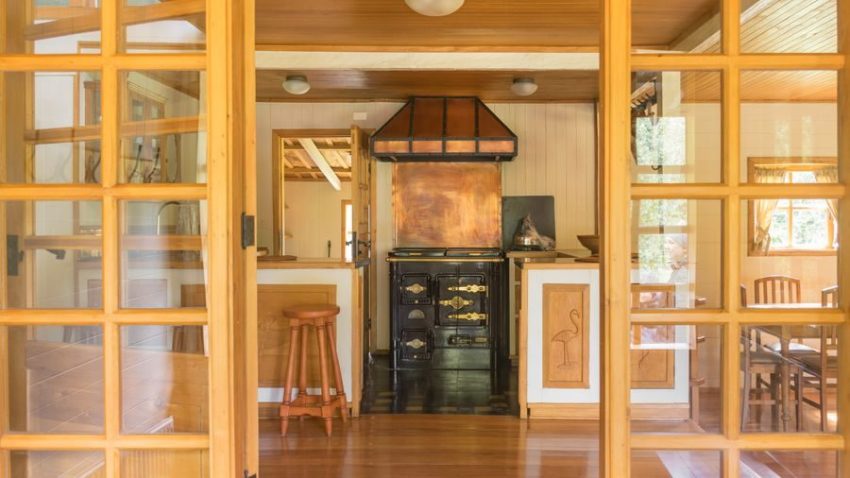
In this blog, we’ll provide valuable tips on how to modernize a dated kitchen while still respecting the original features that give it warmth and character.
Identify the Features That Give the Kitchen Its Identity
One of the biggest challenges in remodeling an older kitchen is knowing which original features are worth preserving and which should be updated for everyday functionality. According to remodeling experts, successful renovations strike a balance between maintaining architectural character and improving how the space works for modern living.
To find that balance, start by identifying the features that give the kitchen its identity. These might include original wood cabinets, a built-in hutch, distinctive flooring, ceiling beams, or an unusual window arrangement.
You do not need to preserve every old detail. Instead, focus on the elements that feel most connected to the style of the home and would be difficult to recreate once removed. These features can then serve as the foundation for a timeless kitchen design.
Test the Layout with Tape Before Moving Anything
Some kitchen remodeling ideas may seem practical until you see how much floor space they actually take up. Before you start removing cabinets or relocating plumbing, test the proposed layout in the room itself. Painter’s tape can be used to mark the size and position of an island, pantry, appliance, or new run of cabinetry. It is a simple step, but it can reveal problems that are easy to miss in a drawing.
Once the tape is down, move through the space and imagine completing common tasks. Open the refrigerator, dishwasher, and oven doors. Check whether anyone would have to squeeze past them and whether the main work areas still feel easy to reach.
Determine What to Preserve, Repair, or Replace Through a Rating System
A common mistake homeowners make when renovating a dated kitchen is trying to preserve every original feature. While preserving kitchen character does help maintain the home’s personality, this does not mean that every old element is still functional or worth saving.
A simple way to make these decisions more objectively is to create a scoring system that helps you compare what should stay with what genuinely needs to change.
Rate each feature based on:
- Structural condition
- Everyday usefulness
- Repairability
- Visual importance
- Replacement cost
Once each feature has been assessed, sort it into one of three categories: preserve, repair or adapt, and replace. Well-built cabinetry may only need a new finish or updated storage. Original flooring might be worth restoring if the damage is limited. A failing fixture with little visual importance may not justify the cost of repair.
Avoid Mixing Too Many Period Styles
It is possible to combine old and new without making the kitchen feel inconsistent. The problem usually starts when several different period styles are treated as equally important. Decorative tile from one era, lighting from another, and cabinetry inspired by a third can make the space feel busy and disconnected.
Instead, choose one dominant style based on the home’s existing architecture. Use that as the reference point for proportions, finishes, and key details. Contemporary updates (such as quartz countertops) can still be included, but they should remain visually simple and practical.
This approach makes it easier to create a timeless kitchen that feels appropriate for the home without looking like a recreation of one specific decade.
Refinish Well-Built Cabinets Instead of Replacing Them
Before removing your old cabinets, take a closer look at their condition and construction. Check whether the cabinet boxes are still solid, the doors sit properly, and there are no major signs of water damage or warping. If your old cabinets are still structurally sound, a full cabinet replacement may not be necessary.
Refinishing cabinets can give them a more updated look while preserving the proportions and details that suit the rest of the home. Depending on their condition, you may be able to repaint them, apply a new stain, replace worn hardware, or repair a few damaged areas.
For an old kitchen renovation, this can be a practical way to improve the space without removing quality cabinetry that still has years of use left.
Use Lighting to Improve Function and Highlight Character
Lighting can change how an older kitchen feels without altering any of its original features. Instead of relying on a single ceiling fixture, layer lighting throughout the room so each area has the support it needs.
Use general lighting to brighten the space, then add task lighting beneath cabinets or above work areas. Decorative fixtures can bring attention to features such as exposed brick, original woodwork, or a distinctive ceiling. This helps the kitchen feel more practical while allowing its character to stand out.
The goal is not to make the room as bright as possible. It is to place light where it improves visibility and brings out the details that make the kitchen feel unique.
Final Takeaways
Modernizing a dated kitchen does not require removing everything that makes the room feel original. The strongest renovations usually begin with a closer look at what is still well built, what continues to support daily use, and which features give the kitchen its identity.
By testing layout changes, evaluating existing materials, and choosing updates that work with the home’s architecture, you can create a kitchen that feels more practical without making it feel generic. The goal is not to preserve every old detail. It is to keep the right ones and make thoughtful improvements around them.