
Did you know that in Florida, many homeowners struggle with making the most out of their available living space?
With growing families and the increasing need for home offices and recreational areas, the pressure to maximize every square foot is higher than ever. One often overlooked solution is right beneath your feet—your basement. Transforming this underutilized space into a functional living area can not only provide additional room but also add significant value to your home.
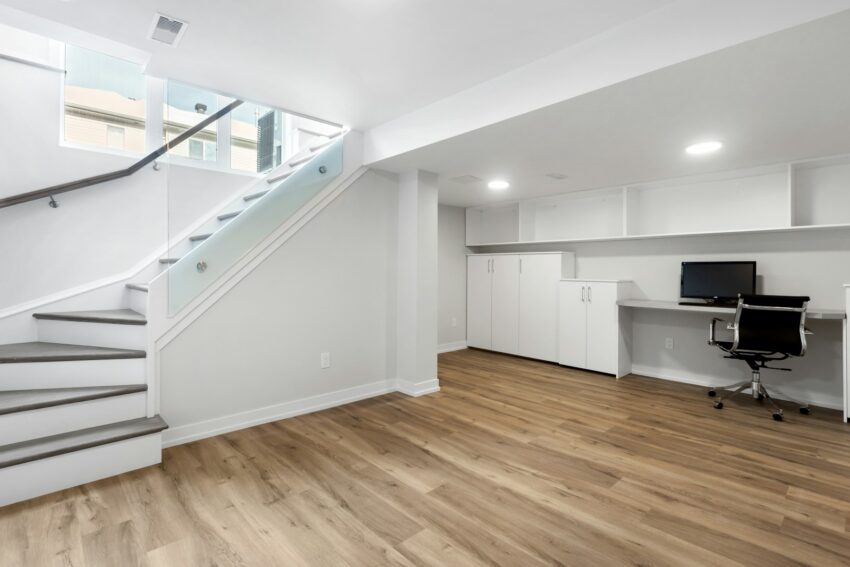
However, Florida’s unique climate poses specific challenges, such as moisture and humidity, which need to be addressed to ensure a successful transformation. Let’s dive into how you can effectively turn your basement into a versatile and comfortable living area.
1. Assess Your Basement’s Potential
The first step in transforming your basement is to assess its current state and potential uses. Start by examining the structural integrity of the space. Look for any signs of damage, such as cracks in the foundation, mold, or water stains, which are common in Florida’s humid climate. It’s essential to address these issues before proceeding with any renovation work to ensure a safe and durable living area. Consider the size and layout of your basement and envision how you could use the space. Whether you’re thinking of creating a guest room, a home office, a gym, or a playroom for the kids, understanding the possibilities will help you plan more effectively.
2. Declutter: Move Stuff into a Storage Unit
One of the biggest hurdles in basement transformation is dealing with clutter. Over the years, basements often become storage spaces for items we rarely use. To create a functional living area, it’s crucial to clear out this space. Moving stuff into a storage unit is a practical solution. Consider hiring a local FL moving company to help with this process. Professional movers can efficiently and safely transport your belongings to a storage unit, freeing up the basement for renovation. This step not only creates more space but also allows you to start the project with a clean slate, making it easier to visualize and plan the new layout.
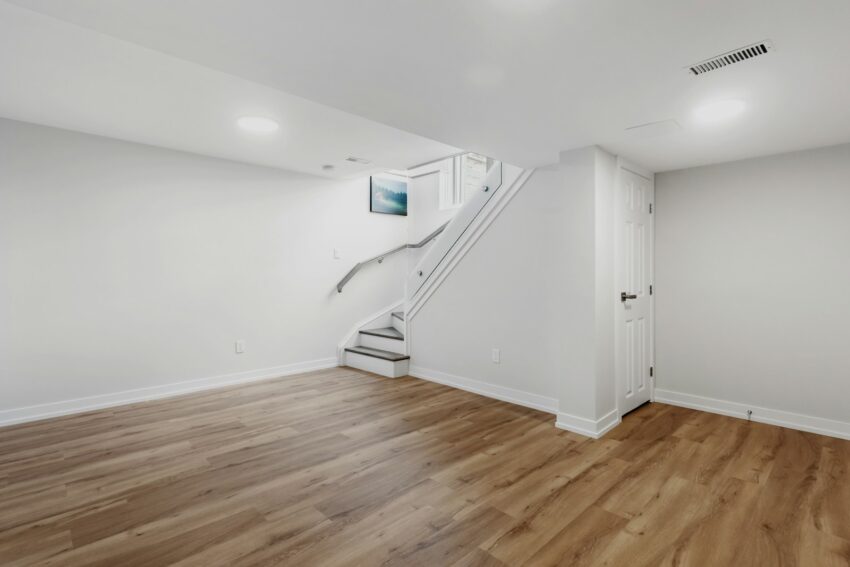
3. Combat Moisture and Waterproof Your Basement
Florida’s humid climate means that moisture control is a critical aspect of any basement renovation. The last thing you want is to have your newly transformed living space damaged by water leaks or mold. Start by inspecting your basement for any existing moisture issues. Look for damp spots, water stains, or mold growth. Waterproofing your basement is a must. You might need to install a sump pump, seal cracks in the foundation, and apply a waterproof coating to the walls and floors. Additionally, consider installing a dehumidifier to keep humidity levels in check. Taking these steps will protect your investment and ensure a comfortable, dry living space.
4. Enhance Insulation and Ventilation for Comfort
Proper insulation and ventilation are key to creating a comfortable and energy-efficient basement living area. Insulation helps maintain a consistent temperature, keeping your basement warm in the winter and cool in the summer. Given Florida’s warm climate, insulating the walls and ceiling is essential to prevent heat from seeping in and to reduce energy costs. Equally important is ventilation. Good airflow prevents moisture buildup and keeps the air fresh. Consider installing vents or exhaust fans to improve air circulation. By addressing these aspects, you’ll create a more inviting and livable space.
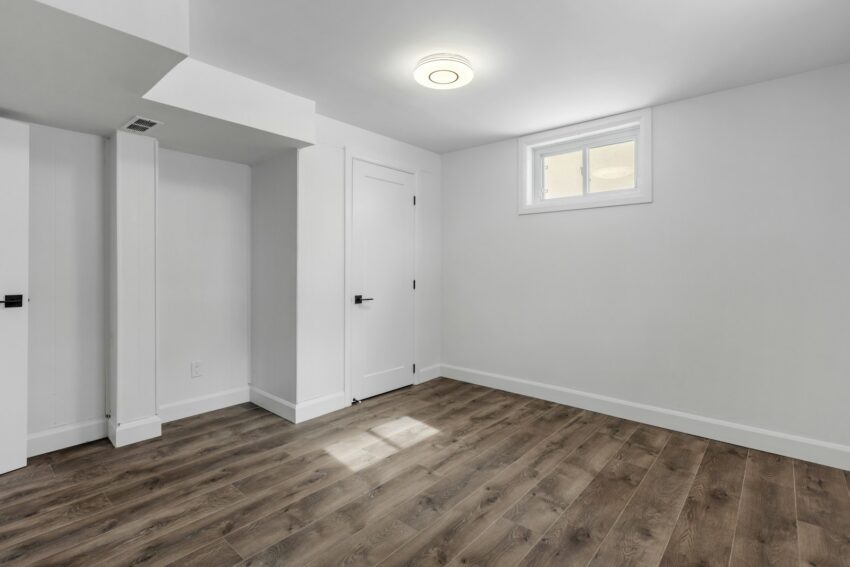
5. Install Appropriate Lighting for a Bright and Inviting Space
Lighting plays a crucial role in transforming a basement into a livable and inviting area. Since basements typically lack natural light, it’s important to incorporate a variety of lighting solutions to brighten up the space. Start with ambient lighting, which provides overall illumination. Recessed ceiling lights are a popular choice as they distribute light evenly without taking up any headroom. Complement this with task lighting, such as floor lamps or under-cabinet lights, which can be placed in specific areas like reading nooks or workstations. Accent lighting, such as wall sconces or LED strips, can add a decorative touch and highlight key features of your design. Using a combination of these lighting types will create a layered and well-lit environment, making the basement feel cozy and welcoming.
6. Choose Suitable Flooring for Comfort and Durability
Selecting the right flooring is essential for both comfort and practicality in your basement. Given Florida’s humidity, it’s important to choose materials that can withstand moisture and temperature fluctuations. Vinyl plank flooring is an excellent option as it’s water-resistant, durable, and easy to maintain. It also comes in a variety of styles that can mimic the look of wood or stone. Another great choice is ceramic or porcelain tile, which is also moisture-resistant and available in numerous designs. If you prefer a softer feel underfoot, consider using engineered wood, which provides the warmth of natural wood but with better moisture resistance. Adding area rugs can enhance the comfort and aesthetic appeal of your basement, making it a more enjoyable space to spend time in.
7. Upgrade Electrical and Plumbing Systems for Convenience
To fully utilize your basement as a functional living area, you may need to upgrade the electrical and plumbing systems. Adding more electrical outlets and ensuring there’s adequate wiring to support your intended use of the space is essential. This is especially important if you’re setting up a home office, entertainment area, or kitchen. Hiring a licensed electrician can help you safely install the necessary electrical components. Similarly, if you plan to include a bathroom or kitchenette, you’ll need to ensure proper plumbing. Hiring a professional plumber to handle the installation of pipes, sinks, and other fixtures will ensure everything is up to code and functions smoothly. These upgrades will make your basement more versatile and comfortable for daily use.
8. Decorate and Furnish Thoughtfully to Reflect Your Style
The final touch in transforming your basement is decorating and furnishing it to reflect your personal style. Choose furniture that complements the purpose of the space while ensuring comfort and functionality. For instance, if you’re creating a family room, opt for cozy sofas and armchairs, and add a coffee table and entertainment center. Use light and neutral colors to make the space feel larger and brighter. Add decorative elements such as throw pillows, rugs, and artwork to give the basement a homely and inviting feel. Personal touches, like family photos or DIY decor, can make the space uniquely yours. Thoughtful decoration and furnishing will turn your basement into a stylish and comfortable living area that you and your family can enjoy.
Conclusion
Transforming your basement into a functional living area is a rewarding project that can significantly enhance your home’s value and livability. By following these steps—assessing the space, moving items into storage, addressing moisture issues, improving insulation and ventilation, planning the layout, installing proper lighting, choosing suitable flooring, upgrading electrical and plumbing systems, incorporating smart storage solutions, and decorating thoughtfully—you can create a versatile and inviting space. Whether you’re looking to add a guest room, a home office, or a family entertainment area, a well-planned basement transformation can provide the extra space you need while improving the overall functionality and appeal of your home. Embrace the potential of your basement and enjoy the benefits of a beautifully renovated and practical living area.