
There are countless reasons to start cooking more at home: your health, your finances, and even purely because it’s fun! Learning how to cook new, exciting, and delicious dishes can be a great way to wind down after work and impress your friends and family at dinner parties.
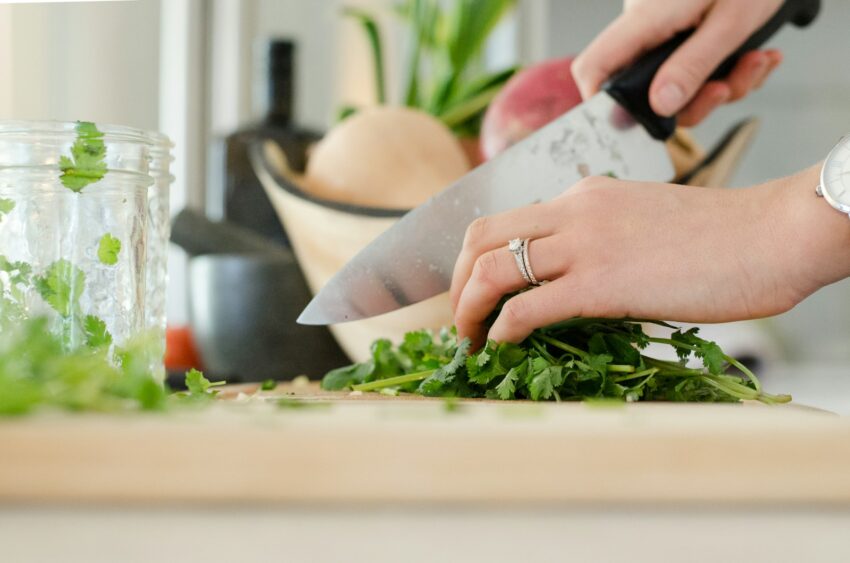
If you’re a budding home chef and eager to improve your skills, there are a few very simple steps you can take that will ultimately make the biggest difference in your culinary journey.
Here are five easy techniques to keep in mind.
Keep Your Knives Sharp
Having good knives can make a world of difference in the ease of your cooking experience. Even more important is keeping them sharp!
Sharp knives are quicker and safer to use, and they’ll make your chopping much more precise and uniform, too, to nail down the perfect dicing and dicing. Invest in a good set of knives and a knife sharpener, and watch how quickly your chopping skills transform.
Master Basic Knife Techniques
Once you know that your knives are top quality and sharp enough, it’s time to practice your knife skills.
This is one area of the kitchen where practice makes perfect, and a perfect chop will make your whole experience more enjoyable. Being skilled with a knife will help you cook much faster and ensure that you’re not at risk of injuring yourself (a surefire way to put you off cooking for a while).
Organize Your Workspace
A cluttered space and a cluttered mind go hand in hand. If your kitchen workspace is messy and disorganized, you’ll be more resistant to cooking and frustrate yourself when you do eventually get around to it.
Make sure that your space is well thought out and organized so you can quickly and easily locate ingredients and tools you might need. You should also endeavor to keep the space neat while you’re working – clean as you go!
Learn the Art of Seasoning
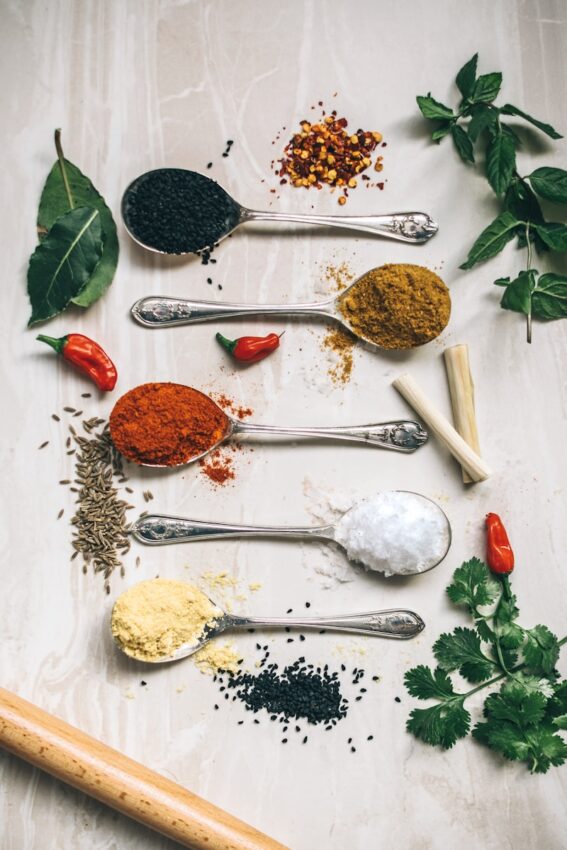
You can make anything – and we mean anything – taste good if you understand the simple art of seasoning properly.
Salt, pepper, and a handful of spices make the ultimate difference between bland vegetables or a soggy, boring casserole and a dish you would eat over and over again. Seasoning can be sweet, savory, acidic, or even bitter, and you need to learn what pairs well with what. Learn what works and what you like, and remember to always taste as you go and adjust as needed – even if the recipe doesn’t tell you to.
Practice Mise-en-Place
The one trick that can make cooking a much calmer and more seamless experience is the art of practicing mise-en-place, which essentially translates to “putting everything in place.”
When trying out a new recipe, read through the whole thing before getting started. Gather any cookware and equipment you might need, and prepare all your ingredients by measuring them out beforehand to make your cooking smooth and easy, avoiding the chaos that can inevitably come with being unprepared for that next step in a recipe.