
Outdoor space has become a more considered part of the home. Rather than treating the garden as a backdrop of lawns, borders and paving, homeowners are increasingly designing it as an extension of their living environment. Within this shift, the pergola has emerged as one of the most versatile features in contemporary garden design.
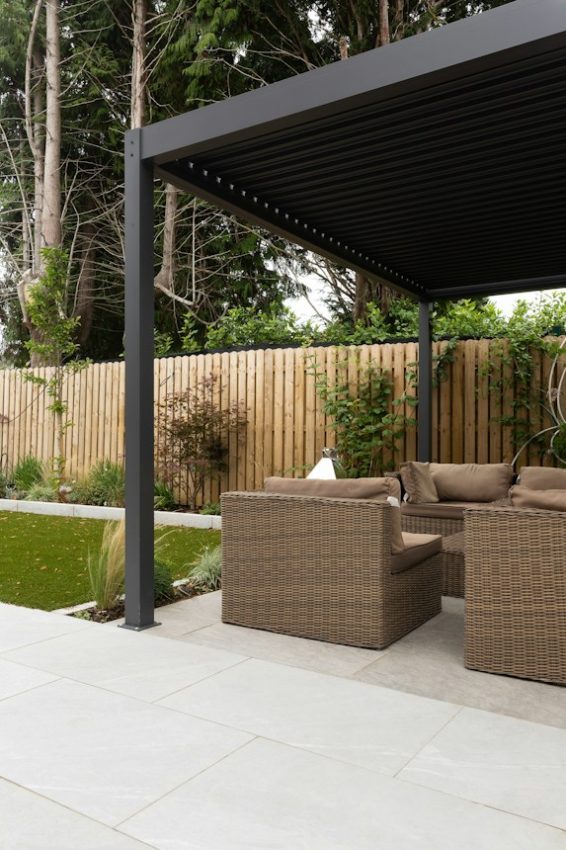
Once associated mainly with climbing roses and traditional timber frames, today’s pergolas can provide shade, shelter, structure and a clear focal point. They work in compact urban gardens as effectively as they do in larger landscapes, helping homeowners make better use of outdoor space throughout the year.
Why pergolas suit the way we live now
The modern garden is expected to perform several roles. It may be a place for morning coffee, a dining area for family and friends, a children’s play space, a home office or simply a quiet retreat. These overlapping uses require more than attractive planting. They call for thoughtful zoning and some protection from the elements.
A pergola helps define an outdoor room without enclosing it completely. Its open sides preserve the sense of connection with the garden, while the overhead structure creates a stronger feeling of enclosure and purpose. This balance is one reason pergolas are often preferred to solid garden buildings when homeowners want shelter without sacrificing light or views.
They also offer a practical response to the changeable British climate. A pergola cannot eliminate wind or rain, but suitable roofing, screens and retractable elements can make a seating or dining area considerably more comfortable. Even on bright days, partial shade can make a paved terrace usable for longer, reducing the temptation to retreat indoors when temperatures rise.
Design flexibility for different garden styles
One of the strongest arguments for including a pergola in a garden is its adaptability. The basic form is simple, but its appearance can be tailored to suit the architecture of the house and the character of the landscape.
A clean-lined aluminium structure may complement a contemporary extension, while a painted timber pergola can feel more appropriate beside a cottage-style property. Dark finishes often create a sharp architectural contrast against pale paving and green planting. Lighter tones, meanwhile, can help a structure blend into a softer planting scheme.
Scale is just as important as material. An oversized pergola can dominate a small garden, whereas a structure that is too modest may look disconnected from the house. Before choosing a design, consider the proportions of nearby walls, windows and terraces. The pergola should feel intentional rather than added as an afterthought.
Its position also affects how useful it will be. Placing one close to the kitchen can support outdoor dining and make serving meals easier. A more distant location may create a destination within the garden, particularly if it is accompanied by a path, layered planting or a change in paving.
More than a decorative feature
Pergolas are sometimes selected for their visual appeal alone, but their real value comes from combining beauty with function. The overhead frame can support climbing plants, pendant lighting, curtains or discreet heating. With the right additions, the same space can feel relaxed during the day and atmospheric in the evening.
For those planning a dedicated area for hosting, it is worth exploring luxury shelters for outdoor entertaining as part of a wider garden scheme. The important consideration is not simply how impressive the structure looks, but how well it supports the activities that take place beneath it.
Creating a comfortable outdoor room
A successful pergola area depends on more than the structure itself. Furniture, lighting and planting all influence whether the space feels inviting or merely functional.
Start by deciding how the area will be used. A dining table requires clear circulation and enough space for chairs to be pulled back comfortably. A lounge arrangement needs a different layout, with room for sofas, side tables and perhaps a central fire pit or coffee table. Planning these dimensions before installation prevents the common mistake of filling the space with furniture and leaving little room to move.
Lighting deserves particular attention. A single bright fitting can make an outdoor room feel stark, while layered lighting creates flexibility. Wall lights, low-level lanterns, warm LED strips and suspended pendants can be combined to provide practical illumination without overwhelming the garden. Always consider how light will appear from inside the house, especially if the pergola is positioned near a main window.
Planting can soften the structure and help it settle into its surroundings. Wisteria, jasmine, honeysuckle and climbing roses are popular choices, although growth rate, weight and maintenance requirements should be considered carefully. Some climbers need regular pruning and strong support; others may become too vigorous for a small frame. Evergreen options can provide year-round interest, while deciduous plants offer seasonal change and summer shade.
Practical considerations before installation
A pergola may be relatively straightforward compared with a fully enclosed garden room, but it still deserves careful planning. Check whether local planning rules or building regulations apply, particularly for larger structures, boundary locations or properties in designated areas. It is also sensible to consider drainage, ground conditions and the route of existing utilities before work begins.
The direction of the sun will influence comfort. A pergola facing strong afternoon sun may need a more substantial roof or adjustable shading, while one positioned beneath mature trees may require less overhead coverage. Wind exposure is another important factor. A design that performs well in a sheltered courtyard may need additional stability in an open garden.
Maintenance should form part of the decision from the outset. Timber may need periodic treatment, whereas powder-coated metal generally requires less attention but should still be checked for damage and cleaned appropriately. Moving components, such as retractable roofs or screens, need occasional inspection to remain reliable.
A long-term investment in outdoor living
The appeal of pergolas reflects a broader change in how gardens are valued. Homeowners are no longer designing outdoor spaces solely for appearance; they want them to support everyday routines and social occasions. A well-planned pergola can extend the usable season, provide a natural gathering point and give an otherwise undefined garden a stronger sense of identity.
The best examples do not compete with the landscape. They work with it, framing views, reinforcing circulation and creating a comfortable transition between indoors and out. Whether the goal is a shaded reading corner, a family dining area or an elegant setting for evening gatherings, a pergola offers a flexible foundation for modern garden design.