
A backyard often starts with good intentions. A patio, a few chairs, maybe a grill. Yet many outdoor spaces end up underused, especially once temperatures shift or routines change. The difference between a space that looks nice and one that becomes part of daily life usually comes down to how well it’s designed around real habits.
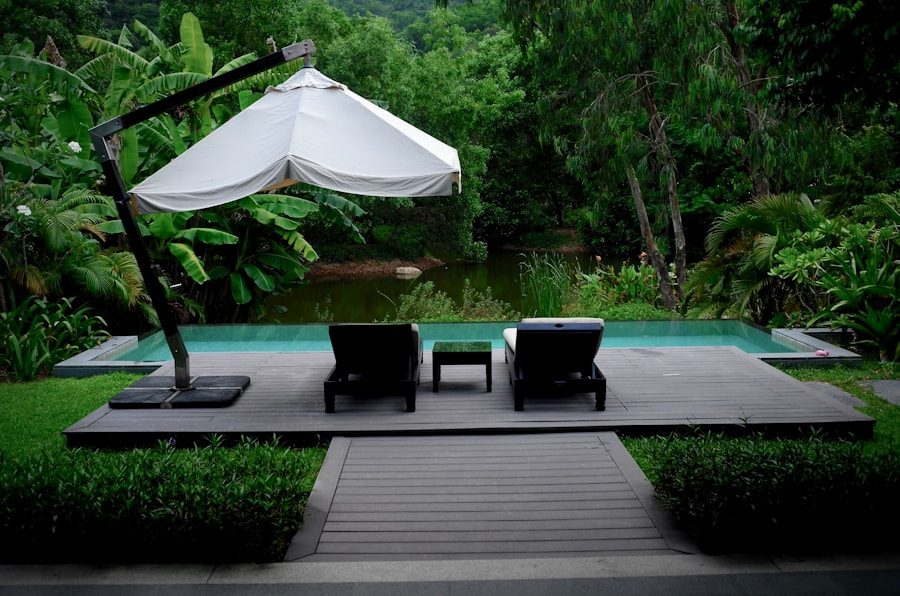
Why do some outdoor spaces feel inviting while others don’t?
There’s a subtle distinction between a backyard that’s simply there and one that draws people outside without effort. It often has less to do with size and more to do with flow and comfort. Seating that faces nothing in particular, or a layout that doesn’t account for sun and shade, can make a space feel temporary.
This is where thoughtful planning becomes visible. Companies like allied outdoor solutions tend to approach outdoor areas as extensions of the home, rather than separate zones. That shift in thinking changes everything. Instead of asking what fits in the yard, the question becomes how the space supports daily routines.
A well-used outdoor area usually mirrors indoor behavior. People gather where it feels natural. They stay longer when seating is comfortable and lighting is soft. Small decisions (like placing seating near a focal point or ensuring there’s a clear path between zones) add up quickly.
What makes people stay outside longer?
Temperature plays a bigger role than most people expect. Even in milder climates, evenings can cool down enough to push people back indoors. That’s often where outdoor spaces lose their momentum.
Introducing warmth changes how long a space remains usable. Fire features, in particular have a way of anchoring a seating area. They create a reason to linger, even after dinner is over or the sun has set.
With custom outdoor fire pits, the design becomes part of the experience rather than just an add-on. The shape, height, and placement all influence how people gather around it. A circular setup encourages conversation, while a linear design can define separate zones within the same patio.
How do you balance aesthetics with practicality?
It’s easy to lean too far in one direction. A space can look polished in photos but feel awkward in real use. On the other hand, a purely functional setup might lack the atmosphere that makes people want to spend time there.
The balance often comes from layering. Materials matter, but so does how they’re combined. Natural stone paired with softer textures, like cushions or wood accents, keeps the space from feeling too rigid. Lighting should be subtle rather than overpowering, guiding the eye without dominating the scene.
When does an outdoor space start to feel like part of the home?
That shift usually happens gradually. It’s the moment when stepping outside doesn’t feel like a transition, but a continuation. The materials, colors, and layout all play a role in creating that connection.
Consistency helps. When the outdoor space reflects elements from inside the house, it feels more cohesive. That doesn’t mean everything needs to match, but there should be a sense of continuity.