
A balcony or deck may occupy only a modest part of a property, yet it has an outsized influence on how the whole building feels. Dated railings, weathered boards and mismatched furniture can make an otherwise contemporary home look tired. Conversely, a few considered changes can turn an overlooked outdoor area into a natural extension of the interior.
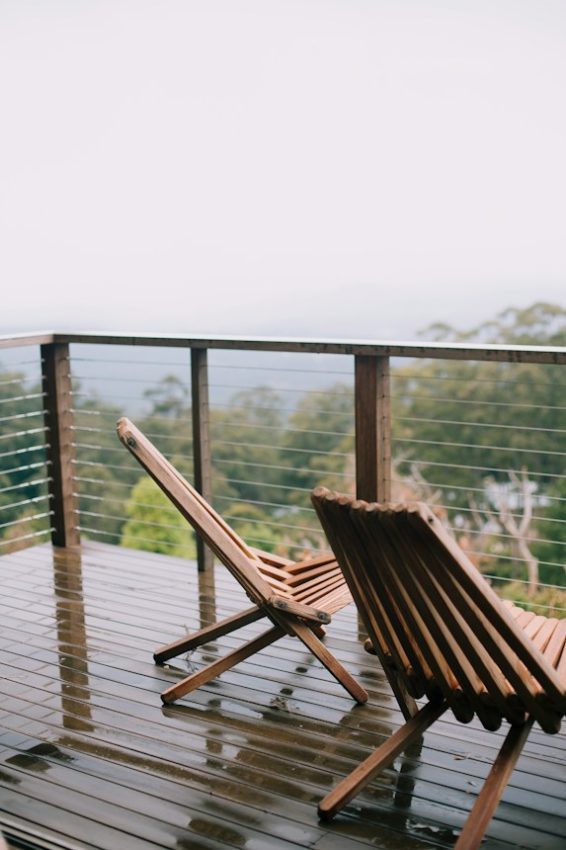
Modernising does not necessarily mean stripping everything out and starting again. The most successful projects usually focus on proportion, material consistency and visual simplicity. The aim is not to follow every design trend, but to create a space that feels purposeful, comfortable and appropriate for the building.
Start With the Structure, Not the Accessories
It is tempting to begin with planters, cushions and lighting. However, the permanent elements establish the character of the space, so assess those first.
Look closely at the decking surface, balustrade, steps, wall finishes and drainage. Are the materials competing with one another? Do bulky posts interrupt the view? Has exposure to rain and sunlight caused fading, corrosion or movement?
Choose a Restrained Material Palette
Contemporary outdoor spaces tend to use fewer materials, handled more consistently. Two or three complementary finishes are usually enough. For example, charcoal composite decking can work well with powder-coated metalwork and pale rendered walls. Natural timber may suit stainless steel details and warm-toned stone.
This restraint helps even a small balcony appear calmer and larger. It also makes future purchasing decisions easier: every new item should belong to the existing palette rather than introduce another unrelated colour or texture.
Where timber is retained, wider boards and concealed fixings create a cleaner appearance. If replacing the surface, porcelain paving and quality composite boards are popular because they deliver crisp lines with relatively predictable maintenance. Composite materials still require cleaning, while porcelain must be installed with suitable drainage and slip resistance, so neither should be treated as completely maintenance-free.
Make the Boundary Feel Lighter
Balustrades are essential safety features, but visually heavy designs can dominate compact outdoor spaces. Closely spaced vertical bars, ornate timber panels or solid walls may block daylight and make a balcony feel enclosed.
Replacing them with a simpler system can produce one of the most noticeable improvements. Slim metal profiles suit properties with strong architectural lines, while glass preserves sightlines and allows light to move through the space. This is particularly useful where a balcony overlooks a garden, landscape or city view.
When researching transparent railing systems for residential balconies, consider more than appearance. The specification must account for the height of the fall, expected loading, fixing substrate and local building requirements. In England, Approved Document K commonly requires guarding of 1,100mm on external balconies, although project circumstances and rules elsewhere in the UK may differ. A competent designer or installer should verify what applies before materials are ordered.
Pay Attention to the Details
Modern design often succeeds or fails at junctions. Exposed fixings, uneven post spacing and awkward corner connections quickly undermine a clean concept. Before installation, establish where posts, drainage outlets and board cuts will sit.
Glass also needs realistic maintenance planning. Frameless panels can look exceptionally light, but exposed locations may show salt, dust and rain marks more readily. Easy access for cleaning should form part of the design, not become an afterthought.
Connect the Outdoor and Indoor Spaces
A balcony feels more contemporary when it relates to the room behind it. That does not require identical flooring, which may be impractical outdoors. Instead, repeat colours, align visual lines and avoid abrupt changes in style.
If the interior has pale oak flooring, for instance, a weather-resistant deck in a similar warm tone can create continuity. Dark window frames can be echoed in balustrade posts, furniture legs or lighting. Aligning decking boards with the main sightline through the doors can also draw the eye outward, making both areas seem more generous.
Use Furniture With the Right Proportions
Oversized outdoor sofas may look appealing in photographs but can overwhelm a narrow deck. Measure the usable area and preserve clear routes to doors, steps and maintenance points. Furniture with slender frames and raised legs allows more floor to remain visible, reducing visual clutter.
Built-in seating is worth considering where space is tight. A bench along one wall can incorporate storage for cushions or gardening tools, removing the need for separate boxes. Keep its design simple and ensure it does not create a climbing hazard beside balcony guarding.
Add Warmth Without Adding Clutter
Minimalism should not mean an empty, uncomfortable space. Texture, planting and soft light prevent contemporary schemes from feeling sterile.
Choose a small number of substantial planters rather than many little pots. Repeating one container style creates order, while plants of different heights provide movement and privacy. Ornamental grasses, compact evergreen shrubs and herbs can work well, provided the location’s wind and sunlight levels are suitable. Remember that wet soil is heavy; balconies may require professional advice before large planters are introduced.
Lighting should be layered but discreet. Low-level wall fittings, recessed step lights or warm LED strips can define edges without producing glare. Outdoor electrical work must use suitable weather-rated fittings and should be completed in accordance with current regulations.
Design for How the Space Will Age
A modern finish is only convincing when it remains tidy. Before choosing any material, ask how it will look after several winters and how easily it can be cleaned, repaired or refinished.
Allow for ventilation beneath decking, keep drainage channels accessible and avoid placing permanent features where they trap water. Inspect fixings, seals and guarding periodically, especially after severe weather. Timber may need cleaning and refinishing; metal coatings should be checked for damage; glass requires routine washing.
Ultimately, a modern balcony or deck is not defined by one fashionable product. It comes from clear lines, balanced proportions, compatible materials and careful detailing. Get those fundamentals right, and the space will feel current without becoming dated as soon as the next trend arrives.