
Every October, neighborhoods divide into two camps: houses that phone it in with a single inflatable spider from the hardware store, and homes that transform into immersive experiences that make kids slow down, adults stop scrolling their phones, and create memories that last decades. The difference isn’t budget or artistic talent—it’s understanding that Halloween decorations serve a purpose far deeper than seasonal aesthetics.
Creative Concepts That Go Beyond Basic Boo
The Pumpkin Gut Gamble
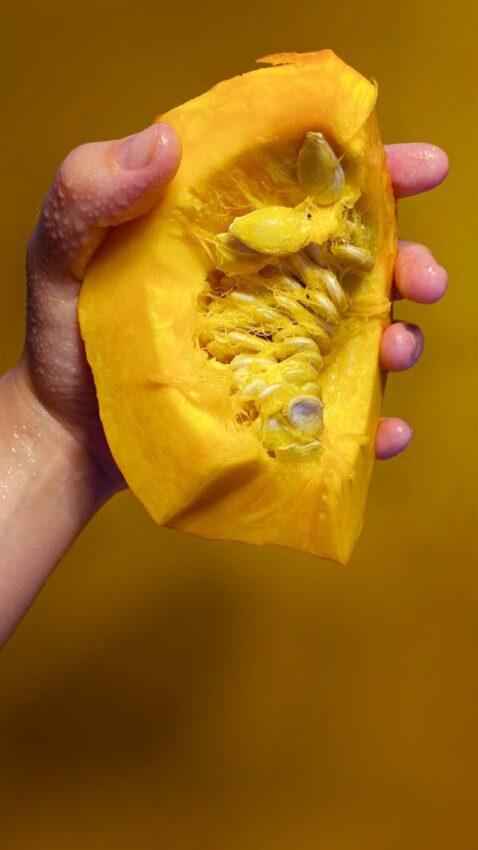
Transform your pumpkin carving waste into interactive entertainment with this brilliant trick that combines suspense, sensory experience, and sweet rewards. After hollowing out jack-o’-lanterns, reserve the stringy pulp and seeds in a covered bowl. Prepare a second identical bowl filled with your best candy—chocolate bars, gummies, whatever treats you’re distributing.
When trick-or-treaters approach, hold both bowls above their heads and challenge them to guess which contains candy versus pumpkin innards. The height prevents cheating while building anticipation. Most kids will choose wrong initially, creating moments of genuine surprise when they discover slimy pumpkin guts instead of chocolate. The payoff comes when they eventually select correctly and receive their candy reward, plus the story they’ll tell friends about the “gross house with the cool game.”
This concept works because it transforms passive candy distribution into active participation while repurposing organic waste into entertainment value. Parents love the creativity; kids love the challenge; everyone wins.
Phantom Portrait Gallery
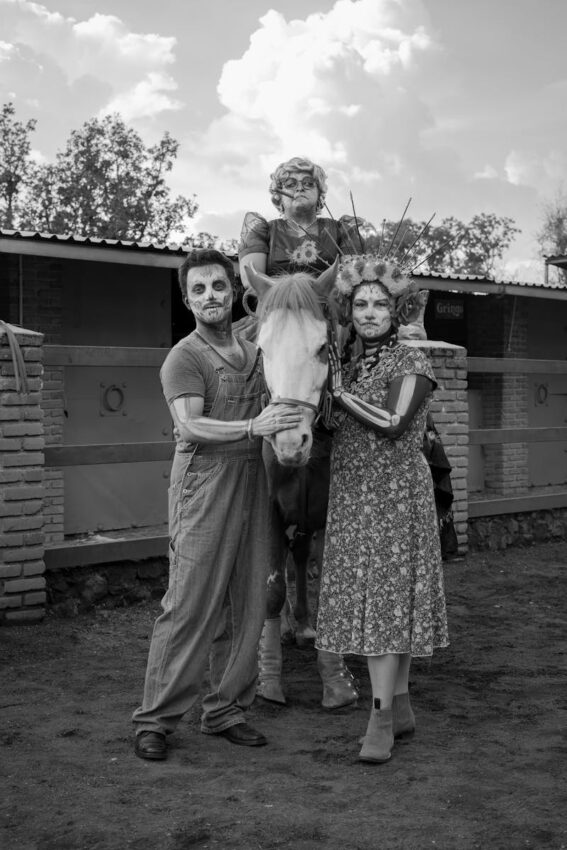
Create a haunted portrait experience using thrift store picture frames, black-and-white photos printed on regular paper, and strategic lighting. Replace existing photos with images of your family members manipulated to look vintage and slightly unsettling—sepia tones, removed color, subtle blur effects.
Modern AI tools have revolutionized this process, making professional-quality photo manipulation accessible to anyone with a smartphone. Apps like FaceApp, Remini, or even free AI photo editors can age faces decades in seconds, add Victorian-era clothing, create ghostly transparent effects, or blend multiple family photos into eerie composite portraits. Upload your family photos and experiment with “vintage,” “gothic,” or “aged” filters that would have required hours of Photoshop expertise just a few years ago.
Install the frames along your entryway or staircase with small LED spotlights positioned to create dramatic shadows. Add a motion sensor that triggers flickering lights or subtle sound effects when visitors pass by. The key is subtlety—portraits should feel slightly wrong without being obviously supernatural.
Advanced version: Use AI to gradually alter the same base photo across multiple frames, creating a sequence where subjects age, decay, or transform as viewers progress through the display. AI can generate smooth transitions showing the same person morphing from normal to ghostly to skeletal, creating a storytelling element that rewards careful observation.
Graveyard Garden Transformation
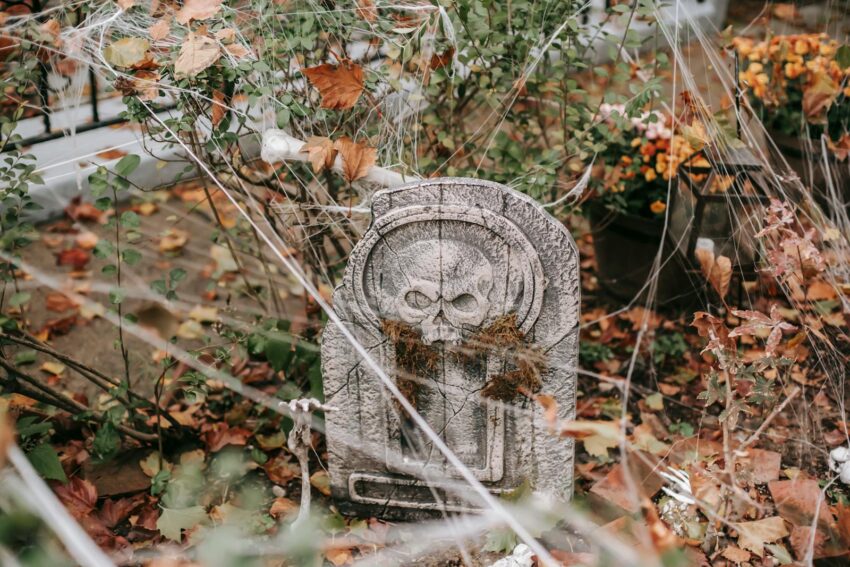
Convert your front yard into a cemetery experience using cardboard tombstones, strategic lighting, and landscaping tricks that create depth and atmosphere. Cut tombstone shapes from large cardboard boxes, paint them gray with black detailing, and anchor them with wooden stakes driven deep enough to withstand October weather.
The magic happens in the details: use baby powder to create aged stone effects, add fake moss with green paint sponging, and create inscriptions that tell connected stories rather than random names. “Here lies the pizza delivery guy who rang the doorbell too late” connects to “Here rests the homeowner who answered anyway.”
Plant temporary “dead” grass patches using hay or brown landscaping material, then add skeleton hands emerging from the ground using plastic bones positioned to suggest bodies buried beneath. Solar-powered spotlights create dramatic upward lighting that transforms ordinary suburban lawns into convincing supernatural landscapes.
Spooky Tree Face Transformation
Convert ordinary trees into menacing characters using foam padding, bark-textured paint, and carved foam features. Create tree faces by carving eyes, noses, and mouths from large pieces of foam insulation, then attach them to tree trunks using construction adhesive. Paint the foam pieces with textured brown paint that matches the bark, add LED lights inside the carved mouth and eye holes for an eerie glow effect.
Towering Skeleton Butler
Create an imposing 8-foot skeleton greeter using PVC pipe, joint connectors, and a life-sized skull. Build the frame by connecting 3/4-inch PVC pipes with elbow and T-joint fittings, creating realistic proportions with 18-inch upper arms, 16-inch forearms, and 36-inch leg segments. Wrap the frame with black fabric or burlap, attach plastic skeleton hands from craft stores, and mount a realistic skull at the top. Position the figure holding a lantern or welcome sign, creating an elegant yet unsettling doorway presence.
Blood-Dripping Window Scenes
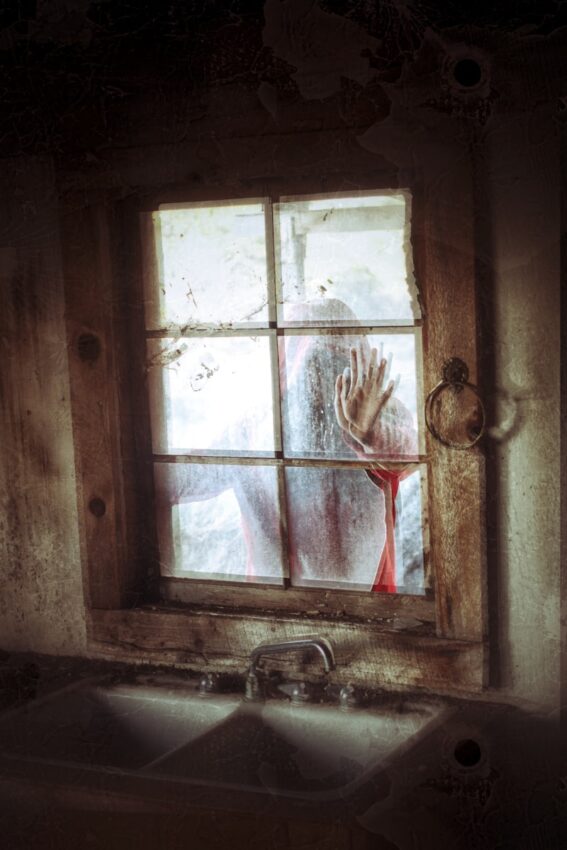
Transform ordinary windows into horror movie scenes using red food coloring, corn syrup, and strategic interior lighting. Mix three parts corn syrup with one part red food coloring to create realistic blood consistency, then apply the mixture to the inside of windows in dripping patterns that suggest violence occurred within. Add silhouettes of figures behind the glass using black cardboard cutouts backlit with colored bulbs—red for demonic, blue for ghostly, or flickering yellow for fire effects.
Advanced DIY Techniques for Maximum Impact
Atmospheric Audio Engineering
Sound design separates amateur Halloween displays from professional-quality experiences. Most people rely on single speakers playing obvious monster sounds, but sophisticated DIY Halloween decorations employ multiple audio sources creating layered soundscapes that respond to foot traffic and environmental conditions.
Install small Bluetooth speakers in various locations—hidden in bushes, mounted under eaves, concealed behind tombstones. Program each speaker with different audio tracks: distant thunder, subtle whispers, footsteps, chains dragging. Use motion sensors to trigger specific sounds as visitors move through your display, creating the illusion that supernatural entities are reacting to their presence.
The key is subtlety and timing. Obvious monster roars lose impact quickly, while barely audible whispers create lasting unease. Layer natural sounds like wind through trees or creaking wood with supernatural elements for maximum believability.
Teaching Moments Through Creative Construction
Creating DIY Halloween decorations provides natural opportunities for multi-generational learning that extends far beyond craft skills. Geometry comes alive when calculating angles for tombstone placement or determining spacing for optimal visual impact. Physics principles emerge through discussions about leverage, balance, and motion when building moving elements.
History lessons develop organically as families research Halloween traditions, regional variations, and cultural origins. Art education happens naturally through color theory exploration, composition decisions, and material experimentation. Problem-solving skills strengthen when decorations don’t work as planned and require creative solutions.
Most importantly, DIY Halloween decorations teach children that store-bought entertainment can’t compete with imagination-powered creativity. When kids participate in creating their own Halloween environment, they learn that fun doesn’t require expensive purchases—it requires vision, effort, and willingness to experiment.
The Ancient Art of Atmospheric Transformation

Halloween’s decorative traditions stretch back over 2,000 years to the Celtic festival of Samhain, when communities believed the boundary between living and dead grew thin. Early celebrants didn’t decorate for Instagram likes—they created physical barriers against malevolent spirits using carved turnips, bone displays, and strategic lighting that guided friendly souls while deterring hostile entities.
Those first “decorations” weren’t decorative at all. They were functional magic, community protection systems disguised as seasonal displays. When Irish immigrants brought these traditions to America in the 1840s, carved pumpkins replaced turnips purely for practical reasons—pumpkins were abundant, larger, and easier to hollow out. The decorative aspect emerged organically as communities realized these protective displays also fostered neighborhood connections and collective celebration.
This historical context matters because it reveals Halloween’s true power: transforming ordinary spaces into extraordinary experiences through intentional environmental design. When you create DIY Halloween decorations, you’re participating in an ancient tradition of community building disguised as spooky fun.
The Ripple Effect of Neighborhood Transformation
Exceptional DIY Halloween decorations create positive feedback loops that benefit entire communities. When one household commits to creating memorable displays, neighboring families often respond by upgrading their own efforts. Property values increase in neighborhoods known for creative seasonal displays, while community connections strengthen through shared appreciation for creativity and effort.
Children growing up in neighborhoods with strong DIY Halloween decoration traditions develop higher expectations for creative problem-solving, environmental design, and community participation. These early experiences shape lifelong approaches to celebration, creativity, and social connection.
Your October decorating decisions matter more than seasonal aesthetics—they contribute to community culture, childhood development, and neighborhood identity. DIY Halloween decorations represent small acts of creative rebellion against mass-produced mediocrity, proving that imagination and effort still triumph over convenience and conformity.