
Let’s be honest—half the commercial dog treats lining pet store shelves are basically junk food wrapped in top-shelf marketing. While you’re scrutinizing ingredient labels for your own snacks, your four-legged family member is chomping down on mystery meat byproducts, artificial preservatives, and enough chemical additives to make a food scientist weep. It’s time to take control with homemade dog treats that actually nourish rather than just fill.
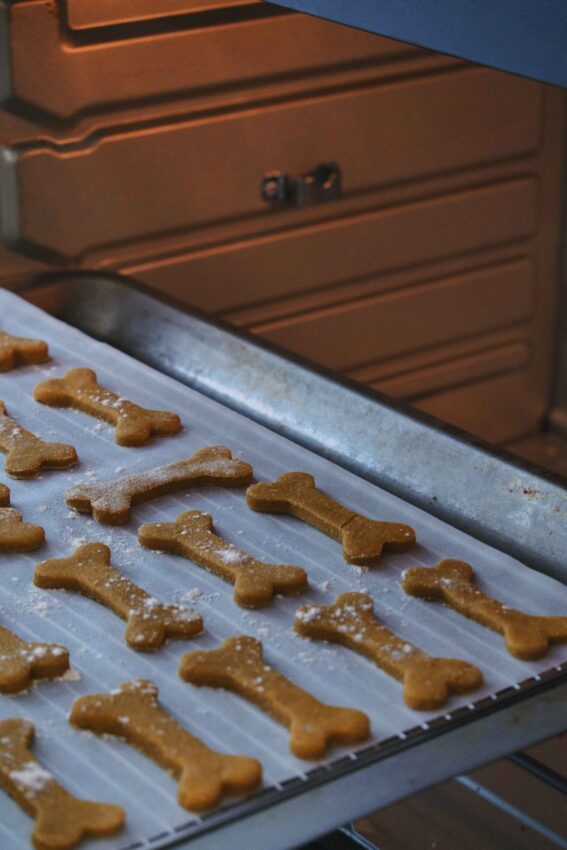
Creating homemade dog treats requires minimal specialized equipment. A standard kitchen setup with mixing bowls, measuring cups, a food processor, and basic baking sheets covers most recipes. Silicone molds designed for dog treats create uniform shapes that bake evenly and store efficiently. Stock your pantry with organic whole wheat flour, oat flour, coconut flour, and chickpea flour for base ingredients. These provide complex carbohydrates and fiber while avoiding common allergens found in corn-based commercial treats.
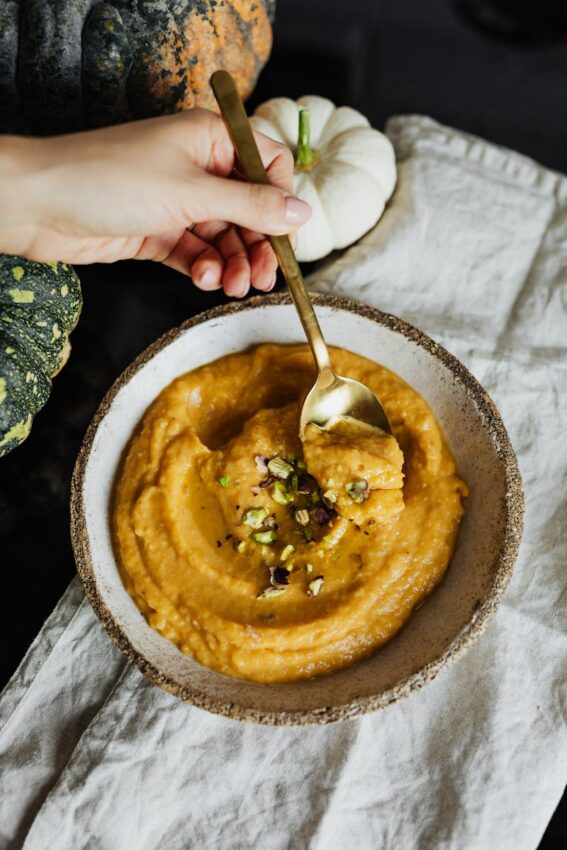
Organic peanut butter (xylitol-free), pumpkin puree, sweet potatoes, and bananas serve as natural binding agents and flavor enhancers.
For protein sources, consider organic chicken, turkey, salmon, or organ meats like liver—ingredients that provide complete amino acid profiles essential for muscle maintenance and cellular repair. Bone broth adds palatability while delivering collagen, glucosamine, and minerals that support joint health.
Step-by-Step Creation Process
- Start with simple recipes that combine 2-3 ingredients before advancing to complex formulations.
- A basic pumpkin-peanut butter treat requires one cup organic pumpkin puree, half cup natural peanut butter, and two cups whole wheat flour.
- Mix wet ingredients thoroughly before incorporating flour gradually until achieving a moldable consistency.
- Roll dough to quarter-inch thickness on a floured surface, then cut into desired shapes using cookie cutters or a knife.
- Arrange pieces on parchment-lined baking sheets, ensuring adequate spacing for even heat circulation.
- Most homemade dog treats bake at 350°F for 15-25 minutes, depending on thickness and moisture content.
Properly baked treats should feel firm but not rock-hard, with slightly golden edges indicating complete moisture removal. Overbaking creates treats that are difficult to chew and may damage sensitive teeth, while underbaking shortens shelf life and increases spoilage risk.
Storage and Preservation Strategies
Without commercial preservatives, homemade dog treats require careful storage to maintain freshness and prevent bacterial growth. Completely cooled treats store in airtight containers for up to one week at room temperature, two weeks refrigerated, or three months frozen.
Vacuum sealing extends shelf life by eliminating oxygen exposure that accelerates rancidity in natural fats. Portion treats into single-serving containers to minimize air exposure each time you access stored supplies. Dehydrating treats in a food dehydrator or low oven removes additional moisture, creating shelf-stable products that maintain nutritional integrity for extended periods.
The Dirty Truth About Commercial Dog Treats
Walk down any pet food aisle and you’ll encounter a parade of treats containing BHA, BHT, ethoxyquin, and propylene glycol—chemicals that sound more appropriate for industrial applications than canine consumption. These preservatives extend shelf life but potentially compromise your dog’s cellular health over time. Meanwhile, artificial colors like Red 40 and Yellow 6, banned in several European countries for human food, remain perfectly legal in American dog treats despite links to behavioral issues and allergic reactions.
Generic treats often rely on rendered meat meals—a polite term for processed animal parts that include everything from diseased tissue to euthanized pets. The rendering process destroys most nutritional value while concentrating toxins, creating a protein source that technically meets regulatory standards while delivering minimal biological value.
Why Organic Actually Matters for Your Dog’s Health
Organic ingredients aren’t just trendy marketing speak—they represent a fundamentally different approach to nutrition that directly impacts your dog’s physiological systems. Organic meats contain significantly higher levels of omega-3 fatty acids, which reduce inflammation and support cognitive function. Studies indicate that conventionally raised livestock accumulates pesticide residues in fatty tissues, creating a bioaccumulation effect that becomes concentrated in rendered pet food products.
The absence of synthetic pesticides in organic produce translates to reduced oxidative stress in your dog’s liver, the primary detoxification organ. Chronic exposure to glyphosate, the world’s most widely used herbicide, has been linked to gut microbiome disruption in mammals—something particularly concerning given that canine digestive health directly influences immune function, mood regulation, and nutrient absorption.
Organic farming practices also mean higher antioxidant concentrations in fruits and vegetables. These compounds combat free radicals that accelerate cellular aging and contribute to cancer development. When you choose organic ingredients for homemade dog treats, you’re essentially providing pharmaceutical-grade nutrition disguised as delicious snacks.

The Science Behind Better Digestion
Your dog’s gastrointestinal tract evolved to process whole foods, not chemical preservatives and artificial fillers. Commercial treats often contain corn syrup, wheat gluten, and soy protein isolates—ingredients that can trigger inflammatory responses in sensitive dogs. Chronic inflammation doesn’t just cause immediate digestive upset; it creates a cascade effect that compromises immune function and accelerates degenerative diseases.
Homemade dog treats allow you to control every ingredient, ensuring optimal digestibility and nutrient bioavailability. Fresh, minimally processed ingredients retain their enzymatic activity, supporting your dog’s natural digestive processes rather than overwhelming them with synthetic additives.
Advanced Nutritional Considerations
Experienced treat-makers can incorporate targeted ingredients addressing specific health concerns. Turmeric provides anti-inflammatory compounds that may alleviate arthritis symptoms, while blueberries deliver anthocyanins that support cognitive function in aging dogs. Coconut oil supplies medium-chain triglycerides that enhance coat condition and provide quick energy sources.
However, avoid ingredients toxic to dogs regardless of their benefits for humans. Chocolate, grapes, onions, garlic, macadamia nuts, and xylitol-containing products pose serious health risks that no nutritional benefit can justify.
The Investment in Long-Term Health
Creating homemade dog treats requires initial time investment and ingredient costs that exceed grab-and-go commercial options. However, this upfront investment pays dividends through reduced veterinary expenses, improved quality of life, and extended lifespan. Dogs consuming high-quality, minimally processed diets typically exhibit better dental health, more stable energy levels, and fewer chronic health conditions.

Your dog trusts you to make decisions that prioritize their wellbeing over convenience. Homemade dog treats represent one of the most direct ways to demonstrate that commitment while strengthening the bond between you and your canine companion through the universal language of delicious, nutritious food.