
A cracked foundation or shifting support beams not only make a building unstable, but it also makes tenants unsafe and could take away all of your money in one night. When panic sets in due to structural issues, people tend to react poorly, and when you wait too long on a small issue (cracks), it will become big.
vThis easy-to-follow action plan for when you think there are structural problems with your home will walk you through exactly what to do right now and how to protect your home before you make costly mistakes.
What is Structural Damage?
Structural damage refers to a condition that impairs your home’s structure from bearing its designed loads. Most structural damage will not self-correct. They are also unlikely to improve over time.
Some common warning signs of structural damage include:
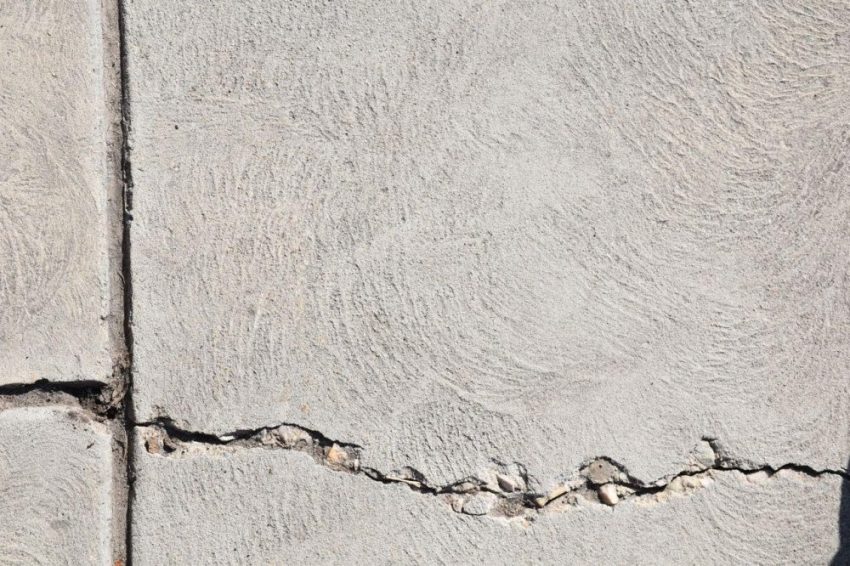
- Cracking wider than one-quarter inch on exterior foundation walls
- Doors or windows that suddenly stick or won’t latch
- Floors sloped or uneven
- Gaps where walls meet ceilings
These factors are what potential tenants look at when renting a home. So, ignoring these signs means you’re slowly contributing to the downfall of your business and the safety of your tenants.
Cosmetic vs. Structural Issues
Cosmetic repairs refer to surface-only repairs. Structural repairs refer to repairs of the foundation, load-bearing walls, floor joists, or roof framing. A small hairline crack in drywall is likely cosmetic.
A stair-step crack in masonry is most likely structural. This distinction is critical because cosmetic items can be delayed until they are repaired, but structural repairs should receive prompt attention from a qualified structural engineer before becoming an emergency situation.
Step-by-Step Action Plan for Structural Damage

The first thing to do after you notice structural damage is to follow a methodical process to keep your tenants safe and prevent costly mistakes. Here is a step-by-step process to follow as soon as you suspect there may be a problem.
1. Secure the Area Immediately
Close off all damaged rooms and shut off any utility lines, if possible. Don’t wait until a professional determines it’s an emergency, or your building may collapse with little or no warning. As quickly as possible, relocate your tenants to some other housing arrangement. Liability issues aside, a single night in a hotel is cheap when considering the safety of your tenants.
2. Notify Your Tenants and Insurer
Communicate with tenants regarding what happened, how much of the building was damaged, and what steps you are taking to address the damage. Transparency builds trust. Contact your property insurance carrier next. Write down all details regarding the damage as objectively as possible.
Determine which options may be available to you through your policy, such as temporary relocation, structural inspections, and/or emergency shoring. Failure to notify promptly could lead to the denial of your claim. Keep detailed records of each phone call, e-mail, or written communication.
3. Document Everything Thoroughly
Take pictures of the damage from many different angles. Include one picture that shows the entire area and another that captures the crack size. You can use a ruler or coin for measurement. Write down when you took each photo and the weather conditions. Also note any other events that could have caused the damage.
These photos serve three functions: documenting for your insurance claims, explaining to potential contractors, and providing proof if there ever becomes a disagreement about what happened. Written documentation is much harder to challenge than memory.
4. Bring in a Licensed Structural Engineer
A general contractor can assess damage; however, only an engineer can assess what was done wrong and what needs to be repaired. If you hire an engineer to come out and inspect your home, they can give you an unbiased opinion. They will let you know if there is still movement occurring in the foundation of your home or if it has stopped.
Additionally, they will provide a detailed description of the necessary repairs. Do not go through this process lightly. Guesswork can lead to paying too much money for repairs, which is why landlords who recognize the importance of foundation inspections act quickly to hire licensed professionals.
5. Obtain Multiple Repair Bids and Pull Permits
Using your engineer’s report as guidance, seek at least three separate bids from qualified contractors specializing in structural repairs. When comparing each bid, review each bidder’s proposed scope of work, materials utilized, estimated timeline for completion, and warranty offered line-by-line. The lowest bid typically leaves out critical elements.
Once you have selected the contractor to perform the repairs, confirm that proper permits were issued prior to commencing work. Structural repairs made without proper permitting may result in loss of coverage under your insurance policy, prevent future resale, and create potential liabilities against you, which you will regret.
When Can Property Management Help?
The property manager is the most valuable asset during a time of structural damage when decision-making can be very challenging. Many landlords work with a reputable property management company in Philadelphia to maintain emergency contingency plans if the property becomes uninhabitable.
This plan includes arranging temporary housing and managing access for contractors. Using a locally owned property management company in Philadelphia that knows city regulations pertaining to permits and tenant rights can help expedite this process while reducing potential liability.
The property manager will serve as the liaison in communicating updates regarding the repairs to the residents, so they receive consistent information on the status of their home versus having your phone ring non-stop throughout the night. Also, an experienced property manager has access to vetted contractors, which removes the stress of finding reliable engineers on short notice.
Conclusion
Structural damage is truly the ultimate test of a landlord’s judgment. The properties that will recover from this type of damage the quickest are those where the owner has acted quickly, secured the site, hired a structural engineer (or other qualified professional), and utilized experienced contractors.
Waiting to address structural damage or acting in a panic can make the cost to repair far greater than it would be if repairs were started immediately. In addition, landlords who wait to respond to structural damage may find that they have strained their relationship with their tenants.
As a landlord, you don’t have to handle this responsibility alone. Partner with an experienced property manager today and rest assured there’s a watchful eye on your property.