
Picture two houses on the same street, the same size, and in the same price range. One has a small cottage in the backyard with its own kitchen, bathroom, and front door. Which one gets more showings? In most California neighborhoods, the answer is obvious.
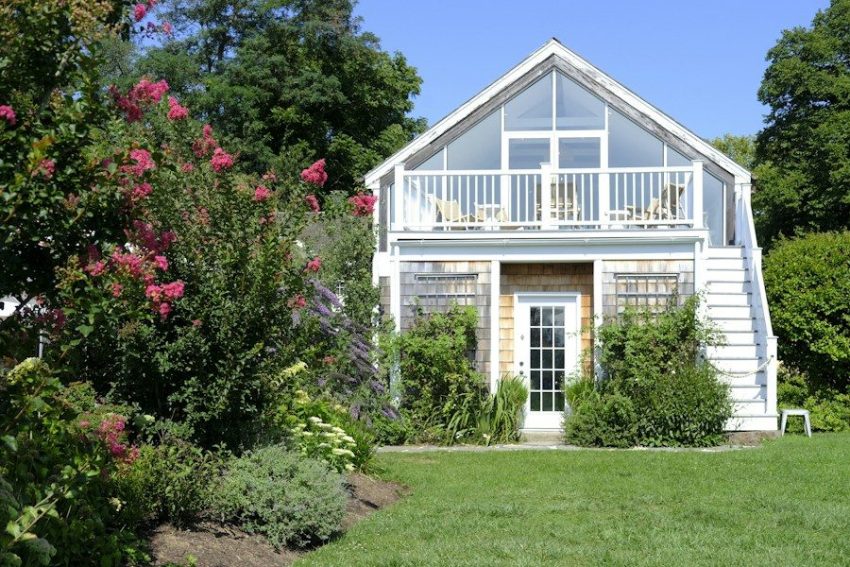
Homes with an ADU for sale tend to attract more interest because they solve more problems at once: extra income, space for family, a quiet home office, or a place for a caregiver. But an ADU can also hide costly surprises. This guide explains why these homes are in demand, what a backyard unit really does to value, and what to check before buying a home with an ADU, so you can make a confident offer instead of an expensive mistake.
Why Buyers Compete for a Property With an ADU
A regular house appeals to one kind of buyer: someone who wants to live in it. A property with an ADU appeals to several at once. That wider pool of buyers is why these listings often move quickly and draw multiple offers.
Here is who shows up to the open house:
- Multigenerational families. Aging parents get privacy and independence, while staying just a few steps away. Adult children can save for their own place without sharing a hallway.
- House hackers. Buyers who rent out the ADU can use that income to offset part of the mortgage, which makes an expensive California market feel a little more reachable.
- Remote workers and creatives. A detached studio beats a spare bedroom for calls, recording, or focused work.
- Small investors. Two rentable units on one lot, with one purchase and one closing, is an easy pitch.
- Future-proof planners. Many buyers do not need the unit today, but like knowing it is there for a caregiver, a teenager, or retirement downsizing.
Supply also plays a role. Even with California’s ADU boom, finished and permitted backyard units still make up a small share of homes on the market. Search results tell the story: filter for homes with ADU for sale in almost any California city, and the list is short compared with everything else on the market. When buyers can simply move in instead of design, permits, and construction, they are willing to compete. That is why well-presented ADU homes for sale often get more saves, more showings, and more urgency than similar homes without a second unit.
What an ADU Does to Property Value
You will see big numbers online. Many articles claim that homes with ADUs sell for 20% to 35% more than similar homes without them. Those figures are not made up, but they need context.
Homes with ADUs are often larger and sit on bigger lots in stronger neighborhoods, so part of that gap would exist anyway. Studies that try to compare like with like usually find a smaller, but still meaningful, premium. For example, research using Los Angeles sales data estimated an average premium of about 8%. The honest takeaway: an ADU almost always adds value, but how much depends on the details. Two homes with the same backyard unit can appraise very differently if one is permitted and rented and the other is not.
When you compare a property with an ADU to nearby sales, ask your agent to find other homes with second units, not just homes of the same size. That is the only fair way to judge whether the asking price makes sense.
Here is what drives ADU property value up or down:
- Permits. A legal, permitted unit is counted as real living space. An unpermitted one may be ignored by an appraiser, or even treated as a liability.
- Rental potential. In high-rent areas, appraisers and buyers look at what the unit could earn. Documented rent history is powerful proof.
- Type and layout. A detached unit with its own entrance and yard space usually earns more than a converted garage with a shared wall.
- Size and quality. A bright, well-built one-bedroom beats a cramped studio with cheap finishes.
- Utilities. Separate meters, or at least clear utility setups, make the unit easier to rent and value.
A useful rule of thumb: at a minimum, a permitted ADU tends to be worth roughly the finished living space it adds. Rental income is the bonus on top. If a seller is pricing the ADU property value as the full cost of building it, plus a large premium, ask to see comparable sales that back that up.
Buying a Home With an ADU: What to Check Before You Offer
The backyard unit may be the reason you fall in love with a listing, so it deserves extra homework. Before buying a home with an ADU, work through this checklist:
- Confirm it is permitted. Ask the seller for building permits and final inspection records, and double-check with the city. A “guest house” or “bonus room” in the listing often signals that the unit was never permitted as a dwelling.
- Ask about legalization. In California, many older unpermitted ADUs built before 2020 can now be legalized more easily. That is good news, but it still takes time and money, so price it into your offer.
- Check the rental rules. Many ADUs cannot be rented for fewer than 30 days, so do not count on vacation-rental income. Some junior ADUs also carry owner-occupancy rules.
- Review any existing tenant. Get the lease, rent amount, deposit, and payment history. Local rent and eviction rules may limit what you can change after closing.
- Inspect both units. Your inspector should cover the ADU’s roof, foundation, electrical, plumbing, and sewer connection, not just the main house.
- Talk to your lender early. Some loan programs let lenders count part of the ADU’s rental income, while others ignore it. The appraisal may also value the unit differently than the seller does.
- Budget for taxes and insurance. In California, the whole property is reassessed at your purchase price, and your insurer needs to know the second unit exists.
Why Some ADU Listings Still Sit on the Market
A backyard unit is not magic. Some listings with ADUs linger for weeks or months, and the reasons are usually predictable.
- Overpricing. The seller spent $250,000 on the ADU and expects every dollar back, plus a premium. Buyers and appraisers do not always agree.
- Permit problems. An unpermitted unit can scare off buyers who need standard financing or simply don’t want the risk.
- Awkward design. No privacy between units, a shared yard, or an ADU that blocks the main home’s view can shrink the buyer pool.
- Occupied units. A tenant who limits showings, or a lease that runs past closing, makes owner-occupant buyers hesitate.
- Weak marketing. If the listing buries the ADU in the last line or skips interior photos, many buyers never realize what the property with an ADU actually offers.
For buyers, a stale listing can be an opportunity. If the problem is price or presentation, not permits or structure, you may have room to negotiate and still gain strong long-term ADU property value.
How to Find a House With Guest House for Sale
Here is the tricky part: sellers and agents describe backyard units in dozens of ways. A search for “ADU” alone will miss a lot. When you look for a house with a guest house for sale, cast a wider net:
- Search by keywords. On Zillow, Redfin, and Realtor.com, try “ADU,” “guest house,” “granny flat,” “in-law unit,” “casita,” “back house,” “second unit,” and “separate entrance.”
- Save searches and set alerts. Good listings can go fast, so let new matches come to you.
- Work with an agent who knows ADUs. They can search the MLS by features, spot hidden units in photos, and ask the listing agent about permits before you fall in love.
- Look at “almost ADU” homes. A property with a large lot, rear alley access, or a detached garage that could be converted may cost less now and give you an ADU later.
- Ask about off-market options. Owners who built an ADU for a parent who has since moved out sometimes sell quietly.
Whether you call it an ADU, a casita, or a house with a guest house for sale, the rules for a smart purchase stay the same: verify the permits, understand the income, and compare real sales. Do that, and homes with an ADU for sale can give you more space, more flexibility, and a stronger investment than the house next door.