
Outdoor lighting is one of the most effective ways to improve your home’s look, safety, and functionality. Many homeowners think it is only about decoration, but in reality, a well-designed lighting system can completely transform your outdoor space.
As a professional outdoor lighting service provider, we always guide our clients step by step—from planning and design to installation and maintenance. In this complete guide, you will learn everything you need to know about outdoor lighting in a simple and easy way.
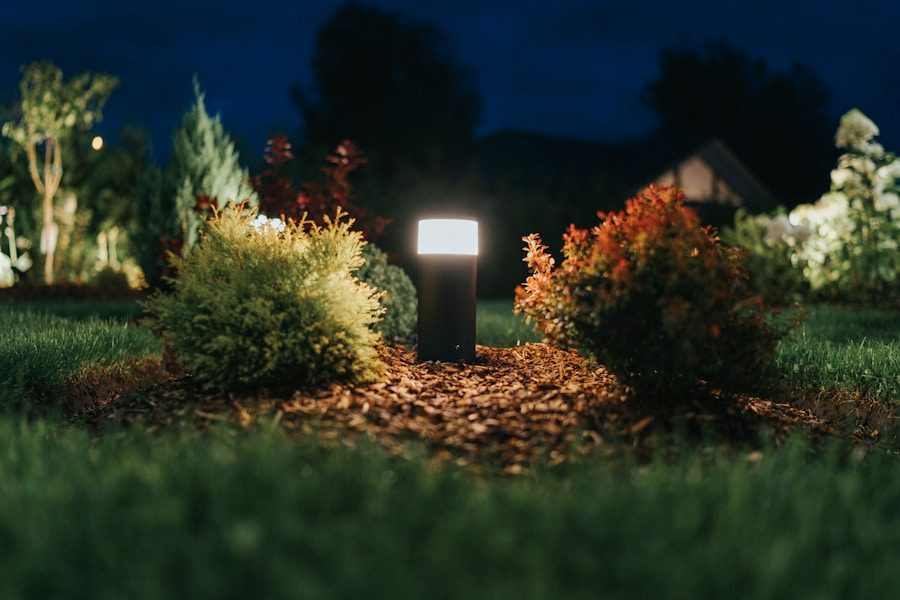
What Is Outdoor Lighting?
Outdoor lighting means installing lights outside your home to improve visibility, safety, and appearance. These lights are used in areas like gardens, pathways, driveways, patios, and building exteriors.
The main goal is to make your outdoor space usable at night while also enhancing its beauty.
Outdoor Lighting Installation Process:
- Initial Site Assessment – A professional visits your property to evaluate the layout, existing electrical infrastructure, focal points, and any potential obstacles like tree roots or irrigation lines before any work begins.
- Design Approval -The lighting plan is finalized and approved by the homeowner, covering fixture types, placement locations, wiring routes, transformer sizing, and any smart-control preferences.
- Marking and Preparation- The crew marks out all fixture positions, cable routes, and trenching lines across the property to ensure accurate and damage-free installation.
- Trenching for Underground Wiring- Shallow trenches are dug along planned cable routes to lay waterproof low-voltage cable or line-voltage conduit, keeping all wiring safely hidden underground.
- Fixture Positioning and Securing – Each fixture is carefully placed, angled, and secured at its marked location, ensuring correct beam direction and stable mounting in soil, turf, or hardscape.
Outdoor Lighting Design: How It Works
A good lighting design is not random. It is carefully planned based on your property and needs.
Step 1: Site Inspection
The first step is to inspect your outdoor area. Professionals check:
- Layout and size
- Existing structures
- Dark spots
- Power sources
Step 2: Understanding Your Needs
Every homeowner has different goals. Some want security, while others want decorative lighting. A professional will ask:
- What areas do you want to light?
- Do you need security lighting?
- What style do you prefer?
Step 3: Creating a Lighting Plan
Based on your needs, a detailed plan is created. This includes:
- Placement of lights
- Type of fixtures
- Brightness levels
Step 4: Choosing the Right Fixtures
The right fixtures are very important. Common options include:
- LED lights (long-lasting and energy-efficient)
- Solar lights (eco-friendly and easy to install)
- Low-voltage lighting (safe and reliable)
Step 5: Light Placement and Balance
A professional ensures the lighting is balanced—not too bright and not too dark. The goal is to create a natural and elegant look.
Types of Outdoor Lighting to Know
Understanding the available fixture types is the first step in planning an effective lighting scheme. Each serves a distinct purpose:
- Deck and path lighting- Illuminates walkways, steps, and deck edges to ensure safe movement around your home at night.
- External lighting- Covers the outer areas of a home including entryways, driveways, and perimeter for security and curb appeal.
- Home accent lighting- Highlights architectural details, garden features, or focal points to add character and visual interest
- Landscape lighting- Enhances lawns, trees, garden beds, and outdoor spaces with ambient and directional fixtures.
- Replacement lighting- Direct swap-in fixtures to upgrade or restore existing residential outdoor lighting without rewiring.
- External lighting- High-performance fixtures for building facades, parking lots, and entrances in commercial settings.
- Landscape lighting- Professional-grade outdoor lighting for grounds, walkways, and plantings at commercial properties.
- Core-drilled lighting- Fixtures installed through drilled concrete or masonry for a flush, permanent, and clean finish.
- Firefly section lighting- Delicate pinpoint lights that mimic the soft glow of fireflies for a magical, nature-inspired effect.
- Specialty lighting- Unique, bespoke fixtures designed for one-of-a-kind applications that standard products can’t serve.
- Permanent holiday lighting- Year-round installed lights that can be programmed for any season, holiday, or occasion.
Most professionally designed systems combine multiple fixture types to achieve layered lighting — a mix of ambient, task, and accent light that feels natural and intentional rather than flat or harsh.
Outdoor Lighting Cost: What You Should Know
When it comes to outdoor lighting, there is no fixed price for every project.
The overall cost depends on several important factors, and this is something we always explain clearly to our clients.
Key Factors That Affect Cost
- Size of the property: Larger properties require more lights and more installation work.
- Coverage area: Whether you want lighting for a small garden or the entire outdoor space will impact the cost.
- Location and site conditions: Different locations may have different installation challenges, such as hard soil, slopes, or limited power access.
- Type of lighting fixtures: The choice between LED, solar, or decorative fixtures affects the overall budget.
- Installation complexity: Simple installations cost less, while complex designs with multiple layers of lighting require more effort.
- Number of lighting points: More lights mean more materials and labor.
Because every property is different, a professional service provider usually recommends a site visit or consultation to give an accurate estimate based on your exact requirements.
How to Choose the Best Outdoor Lighting Service & Why It Matters
Choosing the right outdoor lighting service provider is one of the most important steps for a successful project. A professional team not only installs lights but also ensures proper design, safety, and long-term performance. Here are the key points you should consider when selecting the best service—and the benefits you get from making the right choice:
1. Check Experience and Expertise
Always choose a company with proven experience in outdoor lighting design and installation. Experienced professionals understand different property types and know how to create the right lighting balance for safety and aesthetics.
2. Review Past Projects
Ask for photos, case studies, or examples of previous work. This helps you understand their design style, quality of work, and attention to detail.
3. Ask About Materials and Fixtures
A reliable service provider uses high-quality, weather-resistant materials that can handle outdoor conditions like rain, dust, and heat. This ensures durability and long-lasting performance.
4. Understand Their Process
A professional company will clearly explain every step—from design planning and installation to testing and maintenance. This transparency builds trust and ensures there are no surprises during the project.
5. Compare Value, Not Just Price
Instead of choosing the cheapest option, focus on the overall value. Good service, quality materials, and proper installation will save you money in the long run.
6. Look for Custom Solutions
Every property is unique, so avoid companies that offer one-size-fits-all solutions. The best providers create customized lighting plans based on your space, needs, and preferences.
Choosing the right outdoor lighting service ensures your space looks great and works efficiently. Look for outdoor lighting service professionals who assess your property, plan proper light placement, and use durable, energy-efficient fixtures. Trusted providers like NightVisionOutdoorLighting deliver customized solutions to create a safe, balanced, and beautifully lit outdoor space.
Expert Tips for Long-Term Performance
- Choose fixtures rated IP65 or higher for full weather resistance. Cheaper fixtures rated IP44 may fail within 1–2 seasons in regions with heavy rain or snow.
- Invest in a multi-zone transformer with a built-in timer and photocell sensor so lights activate automatically at dusk and turn off at dawn or a set hour.
- Re-aim spotlights every spring and fall. Trees and shrubs grow significantly season to season, and fixtures that were perfectly aimed in year one may be hidden by foliage by year three.
- Clean fixture lenses annually. Dirt, algae, and mineral deposits can reduce light output by up to 30% over time.
- For any new build or renovation, ask your contractor to install conduit sleeves under driveways and pathways during construction. Adding lighting runs later without sleeves requires breaking concrete — a costly and disruptive process.
- If the budget is limited, prioritize entry points, steps, and the front facade first. These three zones deliver the greatest combined return in safety, security, and curb appeal per dollar spent.
Conclusion
Outdoor lighting is one of the smartest and most rewarding investments you can make in your home. From enhancing curb appeal and boosting property value to improving safety and deterring intruders, a well-designed lighting system delivers benefits that go far beyond simple decoration. Whether you are working with a modest budget or planning a full smart-home integrated landscape system, the key is to plan carefully, choose quality weather-resistant fixtures, and work with a licensed professional who understands both design and installation.
With the right system in place and routine annual maintenance, your outdoor lighting will serve your home beautifully and reliably for years to come — turning every evening into a showcase of your property at its very best.