
Air conditioning is no longer a luxury — it is an essential part of comfortable living, especially in regions that experience extreme heat or humidity. AC services broadly cover four areas: installation of new systems, routine maintenance, repair of faults, and replacement of aging units.
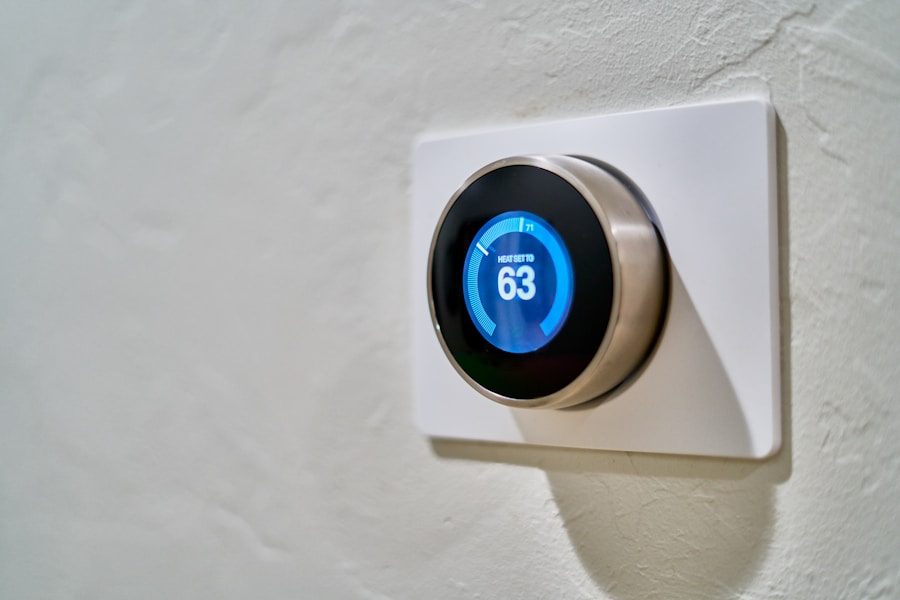
Modern air conditioners come in several forms. Split systems are the most popular for homes, with an indoor unit mounted on the wall and an outdoor compressor. Ducted systems circulate cool air throughout an entire building via concealed ducts and are ideal for larger properties. Window units are compact and affordable, suited for single rooms. Portable air conditioners require no installation but are less energy-efficient. Each system type comes with its own service requirements, cost profile, and lifespan.
Air Conditioning Installation: What to Expect
Installing an air conditioner involves more than simply mounting a unit on a wall. A professional technician will first assess your room size, ceiling height, insulation quality, and electrical capacity to recommend the right system size, measured in BTUs (British Thermal Units) or tonnage. An undersized unit will struggle to cool the space; an oversized one will short-cycle and wear out faster.
During installation, the technician will mount the indoor unit, drill a conduit hole through the wall for refrigerant pipes and electrical cables, install the outdoor compressor on a stable surface, connect the refrigerant lines, charge the system, and test for leaks and proper operation. For ducted systems, the process is more complex and may require several days, including ductwork fabrication and ceiling work.
Common AC Repairs & Warning Signs
Air conditioners are mechanical systems and will develop faults over time. Catching problems early prevents costly breakdowns and extends the life of your unit. Here are the most frequent issues technicians encounter:
- Refrigerant leaks — causes the unit to blow warm air and reduces efficiency. Requires locating the leak, sealing it, and recharging the gas.
- Faulty capacitors or contactors — the compressor or fan motor won’t start. Capacitor replacement is a relatively affordable fix.
- Frozen evaporator coils — usually caused by restricted airflow or low refrigerant. The unit ices up and stops cooling.
- Dirty condenser coils — reduces heat transfer, making the system work harder and increasing electricity use.
- Electrical control failures — frequent cycling of the unit or complete loss of power, often traced to corroded wiring or control boards.
- Drainage issues — blocked condensate drains lead to water leaks and potential mold growth inside the unit.
If your AC is making unusual noises, emitting bad odours, leaking water, or failing to reach set temperatures, schedule a service call promptly rather than waiting for total failure.
Maintenance: Protecting Your Investment
Regular maintenance is the single most effective way to extend your AC unit’s lifespan — typically 10 to 15 years for a well-maintained split system — and keep energy bills in check. Most manufacturers recommend a professional service once a year, ideally before the hot season begins.
A standard annual service includes cleaning or replacing the air filter, washing the indoor coil and blower fan, checking refrigerant levels and pressure, inspecting electrical connections, clearing the condensate drain, lubricating moving parts, and testing the thermostat accuracy. Homeowners can also help by cleaning or replacing filters every 4 to 8 weeks and keeping the outdoor unit clear of debris, shrubs, and obstructions.
Air Conditioning Costs: A Realistic Breakdown
Understanding the true cost of air conditioning services helps you avoid surprises and plan your budget better. Many people assume it’s just a one-time expense, but in reality, costs vary depending on installation, maintenance, repairs, and usage over time. Here’s a clear and practical breakdown:
1. Installation Costs
The biggest upfront expense is installing a new AC system.
- Split AC: Moderate cost, commonly used in homes
- Window AC: More affordable and easier to install
- Central AC: Highest cost due to ductwork and complex setup
What affects the cost?
- Room size and cooling capacity
- Brand and energy efficiency rating
- Installation complexity and materials
2. Routine Servicing Costs
Regular maintenance keeps your AC running smoothly and prevents costly breakdowns.
- General servicing (cleaning filters, coils, gas check): usually affordable
- Annual maintenance contracts (AMC): slightly higher upfront but cheaper over time
Why it matters:
Neglecting servicing can reduce cooling efficiency and increase electricity consumption.
3. Repair Costs
Repair expenses depend on the type of issue.
- Minor repairs (filter cleaning, thermostat issues): low cost
- Moderate repairs (gas refill, capacitor replacement): medium cost
- Major repairs (compressor failure): expensive
4. Electricity Costs
This is an ongoing expense many people underestimate.
- Higher star rating = lower power consumption
- Inverter ACs consume less electricity compared to non-inverter models
Factors affecting electricity cost:
- Daily usage hours
- Temperature settings
- Insulation of your room
5. Hidden or Additional Costs
Sometimes, there are extra expenses people don’t consider:
- Installation accessories (pipes, brackets, wiring)
- Extra gas charging
- Emergency repair visits
- Replacement of old parts over time
6. Long-Term Cost Perspective
When calculating AC costs, think beyond the purchase price:
- A cheaper AC may lead to higher electricity and repair costs
- A quality AC with regular maintenance offers better long-term savings.
Choosing the Best Air Conditioning Service Provider
With so many companies offering AC installation and servicing, selecting the right AC installation and repair service provider can feel overwhelming. Here is what separates a reliable professional from a poor one:
- Licensing and certification — ensure technicians hold the required refrigerant handling licences and any state or national trade certifications.
- Transparent pricing — reputable providers give written quotes before work begins, not verbal estimates that inflate post-service.
- Brand partnerships — look for authorised dealers of major brands such as Daikin, Mitsubishi, Fujitsu, or Carrier, as they receive factory training and access to genuine parts.
- Warranty support — the best providers offer both a labour warranty on their work (typically 12 months) and assist with manufacturer warranty claims.
- Reviews and reputation — check Google reviews, local forums, and word-of-mouth recommendations. Look for consistent quality, not just isolated praise.
- After-hours availability — AC failures often happen on the hottest days. Prioritise providers who offer emergency call-outs or extended service hours.
- Professional recommendation — For those who prefer working with an experienced and dependable team, Holtkamp HVAC & Plumbing is known for delivering consistent service quality, reliable support.
Conclusion
Get at least two or three quotes for any major installation. The cheapest option is not always the best; consider the quality of the equipment offered, the installer’s experience, and what is included in the post-installation support.
When you find a provider you trust, establishing a service contract or annual maintenance agreement is worth considering. These plans typically offer priority scheduling, discounted labour rates, and regular reminders to service your system — removing the hassle of remembering to book it yourself.