
Hiring someone to shape the rooms you live in is a surprisingly personal decision. You are not just buying furniture or a coat of paint; you are inviting a stranger to interpret how your household actually lives, then asking them to make it more beautiful without making it less yours. That is why choosing a design partner deserves more thought than most homeowners give it. The right fit turns a stressful, expensive project into one of the most satisfying things you will do for your home. The wrong fit leaves you with rooms that photograph well and feel like nobody.
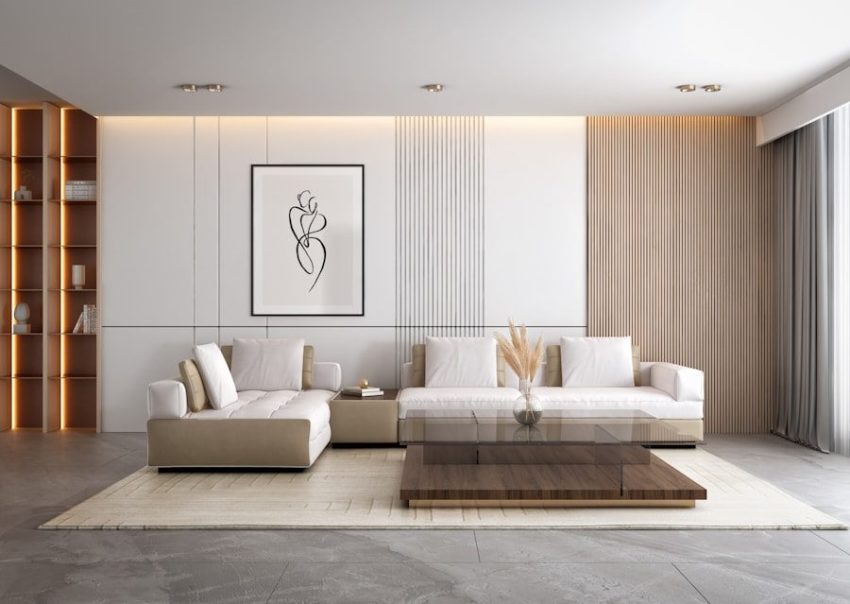
Whether you are refreshing a single living room or reworking a whole floor, the questions below will help you separate a genuine design partner from a showroom that simply wants to sell you a sofa.
Start with how they listen, not what they sell
A good first meeting is mostly the designer asking questions and you doing the talking. How do you use the space? Who lives here, and who visits? Do you cook every night or order in? Is there a dog that owns the couch? Designers who lead with their own signature look before understanding your life tend to deliver their taste, not yours. The best ones treat your existing pieces, your budget, and your habits as the brief, then build something cohesive around them.
This is also where you learn whether a firm actually offers design or just retail with a friendly face. Ask directly: do you come to my home, take measurements, and plan around my rooms, or do I come to you and pick from what is on the floor? Both models exist, and the in-home option matters more than people expect, because lighting, ceiling height, and traffic flow cannot be judged from a showroom.
Look for range across rooms and project types
Homes rarely need only one thing. A kitchen refresh has a way of becoming a dining room, then a living room, then “while we’re at it, the whole first floor.” A firm that handles residential, commercial, new construction, and even senior living has seen more problems and solved more of them. That breadth shows up in the small decisions: how a rug anchors an open-concept space, how a color carries from one room to the next, how a layout keeps a busy household moving without bottlenecks.
If you are searching for an established interior design company in Cincinnati, favor one with a real portfolio across room types and a showroom you can actually walk. Being able to touch fabrics, compare finishes, and see furniture in person removes a huge amount of guesswork before you commit a dollar.
Understand the process before you sign
Vague process is the most common source of design regret. A trustworthy firm can walk you through exactly what happens and when, usually in four stages: an in-home or in-store consultation where they measure and learn your style; a custom design plan built from that visit; a presentation with fabric swatches, furniture options, and color palettes so you approve the look before anything is ordered; and finally implementation, where they coordinate delivery and install everything.
Ask how they charge for that first consultation, what a typical deposit looks like, and how changes are handled mid-project. Firms that price the initial consultation transparently, often a modest flat rate for the first hour, tend to be equally clear about everything downstream. Surprises in the process usually mean surprises on the invoice.
Weigh experience and local roots
Longevity is not everything, but it is not nothing either. A studio that has served the same region for decades has relationships with vendors, knows which products hold up, and has a reputation it cannot afford to damage. Family-owned firms in particular often bring a continuity you can feel: the same designers, working with the same clients, sometimes across multiple homes and many years.
Local knowledge is practical, too. A designer who works throughout Greater Cincinnati, Northern Kentucky, and Southeastern Indiana understands the housing stock, the light, and the way people in the area actually live. That context is hard to replace with a national service that has never set foot in your neighborhood.
Read the reviews for the right signals
Star ratings are a starting point; the content of reviews tells the real story. Look for repeat clients, the same designer named again and again, and comments about listening, patience, and follow-through rather than just “beautiful furniture.” A pattern of clients who came back for a second and third room is one of the strongest signals a firm is worth your trust, because nobody hires the same designer twice by accident.
Questios worth asking on the first call
- Do you offer in-home consultations, and what does the first visit include?
- Can I see a portfolio of projects similar to mine, in rooms like mine?
- How do you work with pieces I already own and want to keep?
- What is your process from consultation to installation, and what is the timeline?
- How are the consultation fee, deposits, and any changes handled?
- Do you have a showroom where I can see and feel materials before deciding?
The bottom line
The best design relationships feel like a collaboration, not a transaction. You want someone who is genuinely curious about how you live, honest about budget and trade-offs, and experienced enough to keep a project on track from the first tape measure to the final throw pillow. Take the meetings, ask the questions, and pay attention to who listens. Get that part right, and the beautiful rooms will follow, and they will feel like home because they will actually be yours.