
Mulch is a phrase gardeners often use, but are you wondering what they are talking about? You can head online to find out more about mulch, but you are met with confusing and conflicting responses that leave you unsure where to turn and whether mulch is something you need for your garden.
That is where we come in to save the day! Today’s guide will explain mulch, its uses, and whether it will benefit your garden. Keep reading to become a mulch expert today.
What Is Mulch?
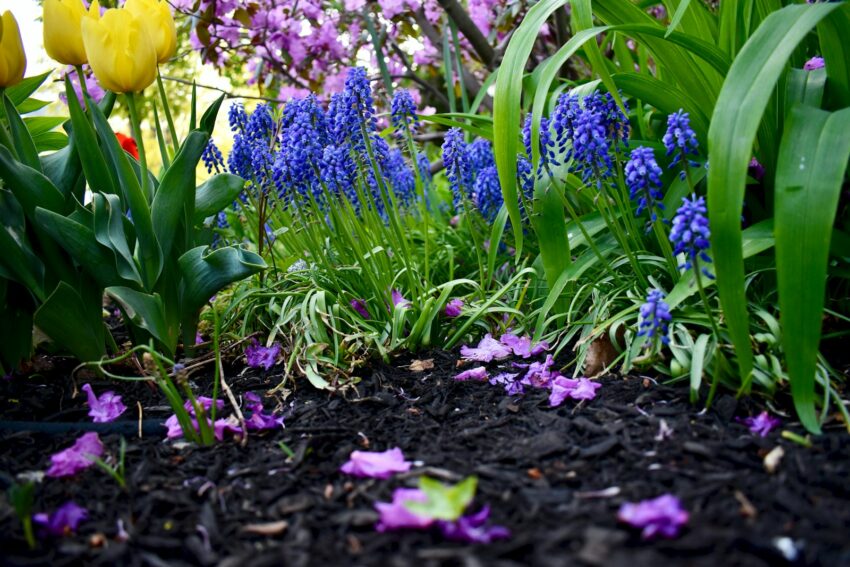
Mulch is loose sheets or material coverings placed on the soil surface. Gardeners commonly use mulch, which can be applied to bare soil or to cover compost surfaces in containers.
Mulch can be divided into two main groups: biodegradable and non-biodegradable. Biodegradable mulches gradually break down, releasing nutrients into the soil and improving its structure. When the mulch rots away, you will need to replace the layers. You can choose from wood chippings, garden compost, leaf mould, processed conifer bark, straw, rotted manure, and seaweed.
Non-biodegradable mulch will not improve the structure or fertility of your soil but will stop weeds, conserve moisture, and add to your garden’s visual appeal. Common non-biodegradable mulches include pebbles, gravel, slate, and stone chippings.
Depending on the type of mulch you choose, you can purchase it from garden centres and landscaping supply stores or make your own.
What Can I Use Mulch For?
Mulch has several uses, including retaining moisture, providing nutrients, and adding to your garden’s visual appeal. We have listed mulch uses and benefits below for you:
- Reduces watering
- Retaining moisture
- Suppresses weeds
- Improves organic soil matter
- Provides nutrients
- Deters pests
- Warms up soil in the spring
- Encourages soil organisms
- Protects plant roots from extreme temperatures
- Adds a decorative finish
- Provides a barrier for edible crops
When Should I Apply Mulch?
Mulch should be applied in mid-to-late spring when annual weeds have not germinated or when plants are dying in autumn. Mulch should be used on established beds, specimen plants, or around new plantings.
You can apply mulch to new plants that need to be established at any time of the year. Mulch will help them establish and grow successfully by retaining moisture and suppressing weeds.
How To Apply Mulch
Mulch should be applied directly to beds and borders, covering the top layer of soil. You must be careful not to smother low-growing plants or pile mulch against the stems of woody plants, as this can impact their growth.
When applying mulch, we recommend that you follow the guidance outlined below:
- Biodegradable mulch should be laid 2-3 inches thick
- Mulches should be laid over most soil after weeds have been removed
- Mulches should not be laid over frozen soil
- Planting through mulch sheets should be done for new beds
- Specimen shrubs and single trees should be mulched to the radius of the canopy
- Biodegradable mulch feeds your plants while they decompose, reducing the need for soluble plant feed
- Leave ground-covering Mediterranean plants unmulched to avoid holding moisture around the foliage and stems
What Are The Disadvantages Of Mulch?
Mulch has many benefits, which we looked at earlier, but there are some disadvantages you should consider. We have outlined them below for you.
You Can Suffocate Plants
Adding too much mulch can be detrimental to your plants. If you layer mulch too thickly, it can bury plants, especially low-growing or ground-covering plants. You can also suffocate plants, causing them to wilt or die. Adding too much mulch can deprive plants of water and even bury stems and branches, impacting their ability to grow correctly.
Pests Can Hide
Depending on the mulch you choose, pests can hide there, wreaking havoc on your home and garden. Pests, particularly mice, can fit through extremely small spaces. Any gaps in your mulch could become their new home, with your plants their new food. They might also find their way into your home, leaving droppings and holes in food packaging as clues they have been.
You Could Bake Your Plants
Incorrect mulching can bake your plants. They can struggle to get the water they need, and excessive heat can cause them to bake and even die. When mulching your plants, it is important that you don’t add thick layers that make it hard for them to breathe.
Final Thoughts
Mulch can suppress weeds, retain moisture, and provide added nutrients to plants. Whether you choose biodegradable or non-biodegradable mulch, you can create stylish flower beds that protect your plants.