
In a commercial kitchen, illumination is not a cosmetic detail. It directly affects food safety, line speed, cleaning efficiency, and maintenance costs. Under a canopy hood, lighting fixtures are exposed to aerosolized grease, steam, washdown moisture, and sustained heat. Standard residential-grade lamps typically degrade quickly in this environment, leading to reduced visibility, higher replacement frequency, and avoidable operational disruption.
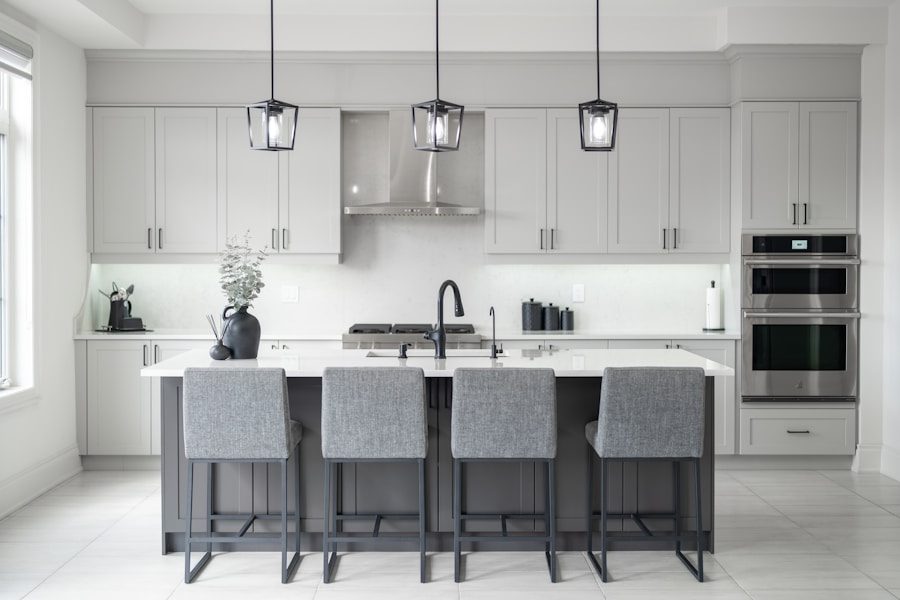
That is why commercial buyers should evaluate range hood lights as performance components rather than simple accessories. The right fixture should deliver stable lumen output, resist grease accumulation, maintain optical clarity over time, and support lower energy consumption during long operating hours. For restaurant groups, central kitchens, hotel kitchens, and institutional foodservice facilities, a well-specified LED hood light can improve both working conditions and total cost of ownership.
Below is a practical guide to six range hood lighting solutions suitable for demanding commercial environments, with a focus on durability, energy efficiency, ease of maintenance, and application fit.
Why Range Hood Lights Matter in Commercial Kitchens
High-quality task lighting improves visibility across cooklines, prep zones, and service stations. Better visibility helps staff monitor browning, boiling, frying, plating, and sanitation more accurately, which reduces mistakes during peak periods. It also supports safer movement around hot surfaces, sharp tools, and fast-paced equipment.
From an engineering standpoint, kitchen hood lights must tolerate harsh operating conditions. Grease vapor can cloud lenses and reduce light transmission. Steam and cleaning cycles can compromise poorly sealed housings. Heat exposure can shorten component life if thermal management is inadequate. For these reasons, buyers should prioritize sealed LED fixtures with durable lens materials, anti-grease surfaces, and reliable electrical performance.
Key Considerations When Choosing Range Hood Lights
- Durability and Material Integrity: Look for fixtures engineered for thermal resilience and grease-heavy environments. Corrosion-resistant housings, stable lenses, and protective surface treatments reduce service interruptions.
- Energy Efficiency: Because commercial kitchens often operate for extended shifts, high-efficacy LEDs help lower long-term energy costs without compromising brightness.
- Optical Performance: Good range hood lighting should deliver uniform illumination across the cooktop, minimizing shadow zones and supporting precision work.
- Maintenance Efficiency: Smooth surfaces, grease-resistant coatings, and sealed designs simplify cleaning and reduce the labor required for upkeep.
- Ingress Protection: In kitchens with frequent washdown, steam exposure, or splash risk, buyers should specify fixtures with appropriate IP protection, such as IP65, to improve reliability.
-
Anti-Oil Fume LED Light for Commercial Kitchens
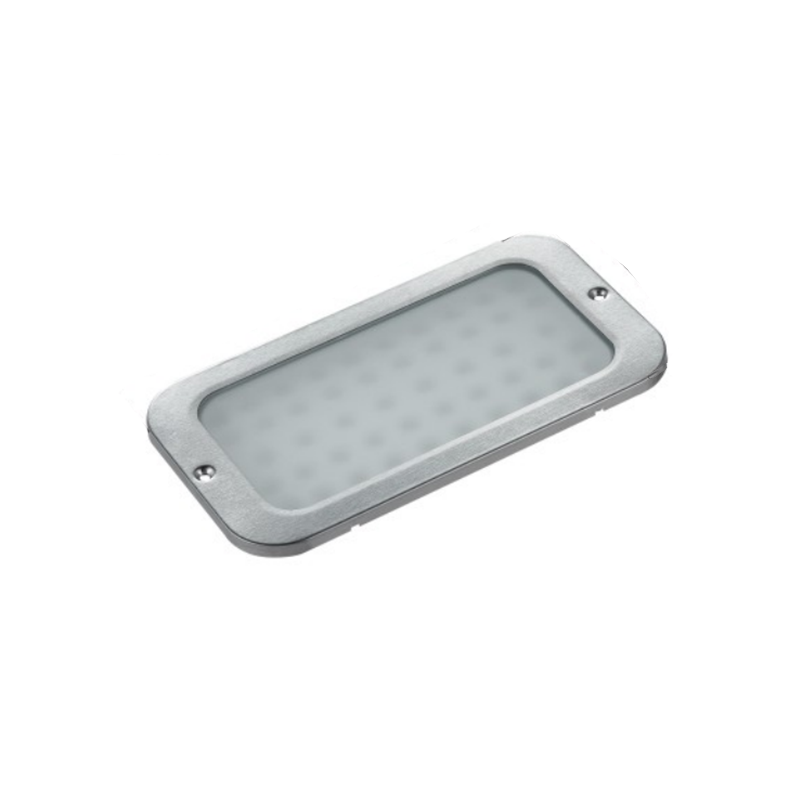
The Anti-Oil Fume LED series is an excellent choice for kitchens with intensive frying, sautéing, and grilling operations. It is engineered with a specialized oleophobic surface treatment that helps prevent grease accumulation on the fixture face, preserving lens transparency and reducing cleaning frequency. This translates into more consistent illumination and lower maintenance effort over time.
Key advantages include strong luminous efficacy, low power draw, and long service life under continuous-duty use. For operators managing high-volume production kitchens, this model offers a practical balance between operational reliability and maintenance efficiency.
-
Modern Transparent Glass Range Hood Light with Oil-Resistant Cover
For projects that require both performance and a refined visual finish, this transparent glass configuration combines contemporary appearance with commercial functionality. The glass face promotes efficient light transmission, while the oil-resistant cover helps protect the fixture from residue buildup in demanding cooking zones.
This model is particularly suitable for open kitchens, hospitality venues, and premium foodservice interiors where aesthetics matter alongside durability. In applications exposed to steam, splashes, or routine washdown, buyers should specify an IP65-rated configuration to improve ingress protection and extend service life.
-
Small Energy-Saving Oval LED Range Hood Light
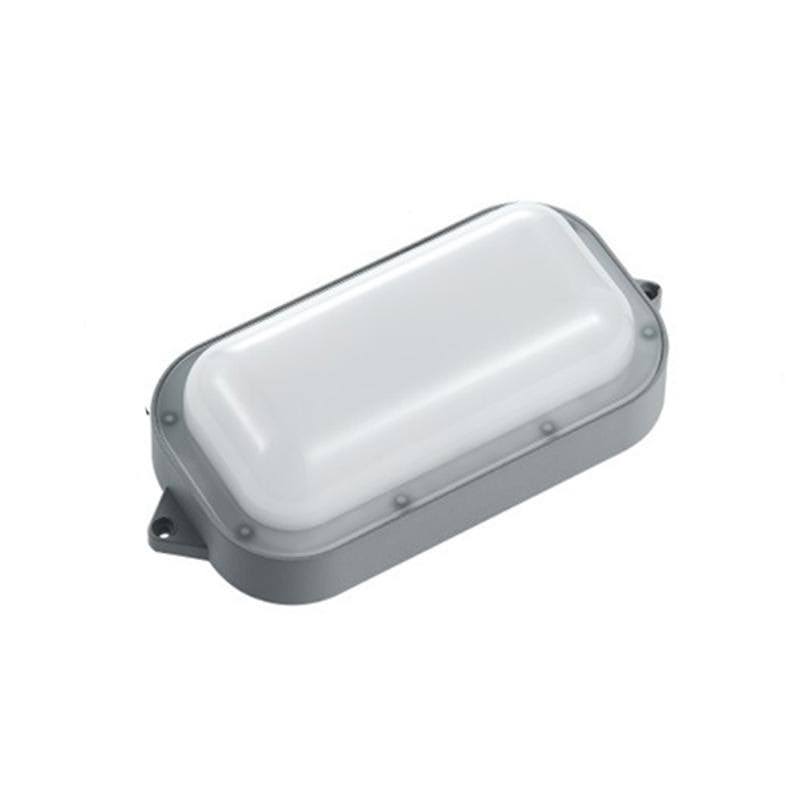
The compact oval LED fixture is designed for smaller hood systems, food trucks, kiosks, café lines, and localized task-lighting requirements. Its smaller footprint makes it easier to integrate into space-constrained installations without sacrificing useful illumination at the work surface.
Despite its compact form factor, the fixture provides efficient output and low energy consumption. It is also straightforward to install in retrofit scenarios, making it a practical option for operators upgrading legacy hood lighting with minimal disruption.
-
Energy-Efficient Range Hood Light for Modern Commercial Kitchens
This model is optimized for facilities seeking a dependable all-purpose solution for modern kitchen operations. It combines stable brightness, efficient power consumption, and durable construction in a format suitable for restaurants, commissaries, and institutional kitchens.
Its value lies in steady day-to-day performance. For operators focused on reducing operational overhead, this type of LED fixture supports lower electricity usage while maintaining the light levels needed for fast, accurate kitchen execution.
-
LED Energy Conservation Range Hood Light for Kitchen Equipment
For buyers with sustainability targets or energy-management goals, this energy-conservation model is a strong specification choice. It is designed to reduce electrical load while still delivering the illumination needed for busy production environments.
The fixture also supports easier cleaning through grease-resistant surface properties and a robust structure suited to continuous commercial use. It works well across multiple categories of kitchen equipment, which makes it attractive for standardized procurement across multi-site operations.
-
LED Energy Conservation Rectangle Range Hood Light
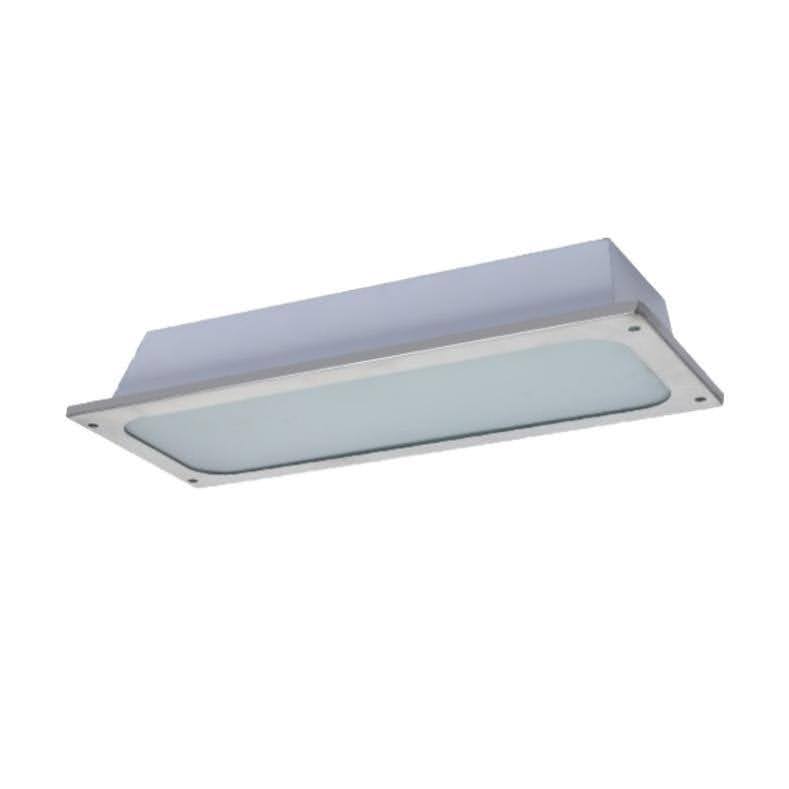
The rectangular LED format is particularly effective for wider cooklines and larger hood assemblies. Its elongated profile distributes luminous flux more uniformly across broad cooking surfaces, reducing dark areas and improving visibility over multiple burners or workstations.
This makes it well suited for large restaurants, hotel kitchens, and central production facilities where multiple staff members may be working under the same hood system. In these settings, uniform light distribution can directly support accuracy, consistency, and safer coordination during peak service.
Why Buyers Consider Foshan Simple Technology Co., Ltd.
Foshan Simple Technology Co., Ltd. positions itself as a specialized supplier for commercial kitchen lighting solutions, with a portfolio that emphasizes LED efficiency, grease resistance, and durability under demanding operating conditions. For B2B buyers, that combination is important because fixture selection is rarely about unit price alone; it is about lifecycle value, replacement intervals, maintenance labor, and fit with the realities of commercial foodservice environments.
Foshan Simple Technology also benefits from offering multiple form factors and application-oriented designs, which allows buyers to align fixture choice with hood size, kitchen layout, and cleaning requirements. For distributors, OEM buyers, and restaurant groups seeking scalable supply, that product breadth can simplify sourcing and specification planning.
Conclusion
Selecting the right range hood light is a technical purchasing decision that affects visibility, safety, maintenance workload, and long-term energy spend. The six options above address different operational needs, from compact installations and design-conscious kitchens to large-format cooklines requiring uniform light coverage and grease-resistant durability.
If your team is evaluating replacement or bulk procurement options, prioritize fixtures that combine high luminous efficiency, reliable sealing, easy-clean surfaces, and application-specific geometry. A better lighting specification can contribute to smoother workflows, fewer maintenance interruptions, and lower operating costs across the kitchen lifecycle.
Need a wholesale or project-based solution? Contact Foshan Simple Technology today to request a customized quotation, a full product catalog, and a 2026 commercial kitchen lighting cost-benefit analysis.
Frequently Asked Questions (FAQs)
1. What are the benefits of LED range hood lights in a commercial kitchen?
LED hood lights typically offer lower energy consumption, longer service life, more stable illumination, and reduced maintenance frequency compared with conventional lighting technologies.
2. How should range hood lights be maintained?
Regular cleaning is essential. Buyers should choose fixtures with grease-resistant surfaces and sealed designs so residue can be removed quickly without compromising optical performance.
3. Are energy-efficient range hood lights suitable for large kitchens?
Yes. When properly specified, high-efficiency LED fixtures can deliver consistent illumination for large cooklines while reducing energy costs over extended operating hours.
4. How do I choose the right range hood light for my kitchen?
Evaluate hood size, cooking intensity, cleaning conditions, layout, and energy goals. Wide cooklines often benefit from rectangular fixtures, while compact kitchens may require smaller localized options.
5. Can these lights be integrated into existing systems?
In many cases, yes. Compact LED formats and retrofit-friendly designs can simplify replacement projects, although technical compatibility should always be confirmed before procurement.