
Travel has always been my absolute favorite source of inspiration for interior design and fresh remodeling ideas. According to recent home renovation trends, homeowners are increasingly drawing unique inspiration from global architecture to update their spaces.
Whenever I step out of my usual routine and explore a new city, I find myself taking mental notes of color palettes, materials, and architectural details.
Experiencing different cultures gives you a fresh lens to view your own living spaces, sparking ideas you would never find in a standard catalog.
Recently, a trip halfway around the world completely changed my perspective on what modern living can actually look like.
I traveled to Dubai, a city globally renowned for pushing the absolute limits of engineering, luxury, and contemporary design. I expected to see soaring glass skyscrapers and opulent hotels, but I was completely surprised by the residential design trends taking hold there.
The sheer scale and ambition of these residential projects completely redefined my understanding of how a home should look and function.
What I discovered was a stunning fusion of hyper-modern, sculptural architecture deeply rooted in holistic, natural wellness. It is a brilliant design approach that seamlessly blends the future of smart technology with our innate human need for organic comfort.
Modern builders there are heavily prioritizing sustainable building practices to ensure that their luxury developments remain environmentally responsible and future-proof. This combination of eco-consciousness and high-end design creates a template for the future of residential living.
Dubai’s Unmistakable Architectural Blueprint
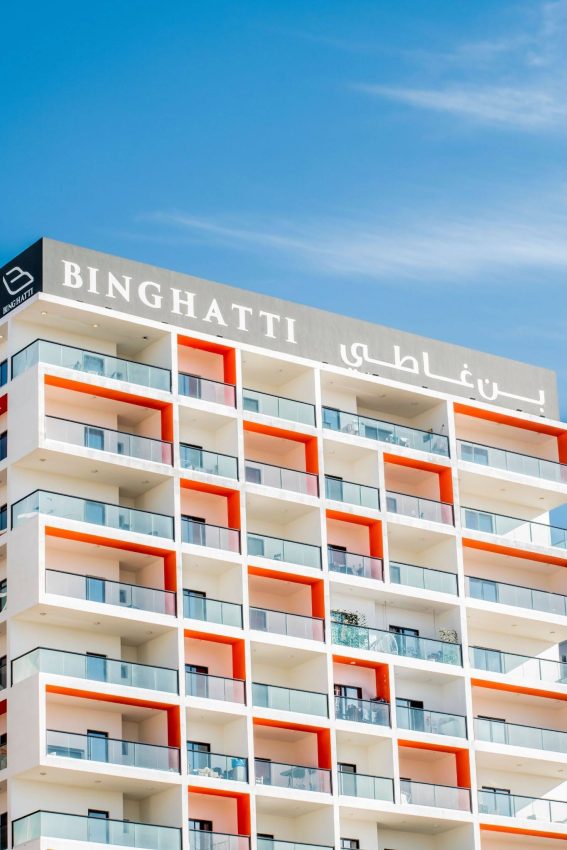
Walking through some of the newer residential districts in the UAE, the visual impact of the architecture is immediately striking. The buildings do not just sit on the landscape; they actively interact with it through sweeping, cantilevered elements and minimalist, fluid facades.
These visually arresting structures prove that a home can be an iconic landmark while still providing a comfortable sanctuary for a family. If you want to truly understand this incredible level of architectural innovation, you only have to look at the region’s leading developers like Binghatti.
You can explore their luxury portfolio to see exactly how these sculptural building designs are coming to life. Their extensive work perfectly demonstrates how everyday residential structures are being actively transformed into functional, breathtaking pieces of contemporary art.
But this growing trend is not just about creating a dramatic exterior silhouette for the sake of simple curb appeal or neighborhood bragging rights.
These modern building facades are highly engineered to be extremely functional, featuring advanced, energy-efficient glazing and smart shading strategies.
This practical approach significantly lowers daily operational costs while dramatically increasing the long-term value and durability of the property itself.
Building green is no longer viewed as a compromise; it is an absolute necessity for anyone looking to build a legacy property. We are also seeing a massive, industry-wide shift toward integrating renewable energy directly into the overall aesthetic design of the home.
Solar panels and complex greywater recycling systems are no longer treated as clunky, optional add-ons hidden awkwardly in the backyard. Instead, they are being seamlessly woven into the actual framework of the building from the very beginning of the drafting phase.
This ensures that homes meet rigorous energy efficient features without ever sacrificing their sleek, contemporary, and beautifully minimalist appeal. It is a masterclass in making highly practical, eco-friendly living look incredibly chic and highly desirable for the modern homeowner.
Why Hyper-Modern Elements Sit on the Very Top of the Luxury Choices
When looking at the global real estate market, it is abundantly clear why these specific elements sit on the very top of the luxury choices. High-end buyers are no longer simply looking for massive square footage or traditional, opulent finishes like heavy marble and flashy gold fixtures.
They are actively seeking out highly intentional, thoughtfully designed spaces that prioritize their physical and mental well-being on a daily basis. The modern luxury buyer wants a home that feels like an exclusive, private wellness retreat tailored exactly to their unique lifestyle.
The industry focus has decisively shifted toward wellness architecture, which emphasizes clean air, abundant natural light, and a deep connection to nature.
This is exactly where the beautiful concept of biophilic design truly takes center stage in these incredible, hyper-modern global homes. Biophilic design is the mindful practice of integrating natural elements, like sunlight, water, and organic textures, directly into the built environment. It represents a fundamental shift back to our roots, recognizing that human beings thrive when surrounded by the natural world.
Medical studies and psychological research have consistently shown that incorporating these elements is highly effective at reducing daily stress and elevating our overall mood. In luxury properties, this often translates to massive, floor-to-ceiling windows that completely erase the visual boundary between the indoor and outdoor living spaces.
You will frequently see stunning interior courtyards, sprawling living walls, and tranquil water features integrated directly into the main central living areas. These organic focal points draw the eye and create a soothing, ambient background noise that instantly melts away the stresses of the day.
The materials used to finish these interior spaces are also shifting rapidly toward warm, organic, and highly tactile options. Designers are utilizing rich, natural materials like slatted walnut wood, matte limestone, and raw bamboo to ground the ultra-modern architecture.
This careful, intentional material balance prevents the clean architectural lines of the home from ever feeling too cold, sterile, or clinical. It brings an essential layer of coziness that transforms a mere architectural showcase into a highly livable family home.
The Seamless Integration of Invisible Technology
Another fascinating aspect of this global design trend is the complete, flawless integration of advanced smart home technology. We all want the convenience of an automated home, but nobody wants their elegant living room to look like a messy server closet.
The new standard for luxury living is “disappearing tech,” where the advanced systems are completely invisible to the naked eye. You get all the incredible benefits of modern artificial intelligence without the visual clutter of bulky panels, tangled wires, or blinking routers.
This brilliant integration allows the beautiful interior design to take center stage, entirely uninterrupted by the messy reality of modern electronics. Imagine walking into a room where the lighting automatically adjusts to perfectly mimic the natural circadian rhythm of the outdoor sun.
The climate control system senses the ambient temperature and subtly adjusts the airflow to maintain perfect comfort without making a single sound. Everything works in quiet harmony to create a perfect, personalized atmosphere for every member of the family.
All of this technology is controlled through highly integrated, flush-mounted wall sensors or a single, sleek application on your smartphone.
You can essentially run your entire household from the palm of your hand, whether you are sitting on the couch or traveling abroad. It creates an incredibly frictionless living experience that feels genuinely restorative, deeply peaceful, and effortlessly luxurious every single day. Even the bulky entertainment systems are being expertly hidden away to maintain the warm, minimalist aesthetic of these modern homes.
Motorized artwork smoothly slides away to reveal ultra-thin television screens only when they are actually in use by the family. Hidden architectural speakers are plastered directly into the drywall, filling the room with high-fidelity sound from a completely invisible source.
This brilliant approach allows the stunning architecture and the natural biophilic elements to remain the true, undisputed focal points of the room. It is the ultimate expression of having your cake and eating it too, blending rustic naturalism with futuristic convenience.
Bringing the Global Trend to Your Own Home
You might be wondering how you can possibly apply these massive, international luxury trends to a standard American home renovation.
The great news is that the core principles of this design movement are incredibly adaptable and highly scalable to almost any budget. You certainly do not need to construct a cantilevered concrete mega-mansion to enjoy the undeniable benefits of warm minimalism and biophilic design.
These concepts are incredibly democratic and can be applied to a cozy suburban ranch or a historic Victorian just as easily.
It is simply a matter of making highly intentional, thoughtful choices during your next remodeling project or weekend room refresh.
Start by maximizing the natural light in your home wherever physically and structurally possible during your initial renovation planning. If you are replacing windows, opt for larger panes with minimal framing to create a much stronger visual connection to your yard. The more you can blur the boundaries between your interior living room and your exterior patio, the better.
If knocking down walls is not an option, you can completely transform a room with a carefully planned, layered lighting scheme. Using high-quality, daylight-balanced LED bulbs can beautifully replicate the uplifting, energetic feel of natural sunshine inside your dark home.
Combine this with strategically placed mirrors, and you can instantly double the amount of perceived light in any given space.
Next, focus heavily on introducing natural, highly textured materials into your everyday living spaces to create immediate visual warmth.
Instead of synthetic upholstery, choose organic linens, natural wools, and warm leather accents that will inevitably age gracefully over time. Bring the outdoors in by styling your rooms with sculptural indoor trees, curated potted plants, or even high-quality faux botanicals.
These simple, highly cost-effective additions instantly breathe incredible life and organic movement into a previously stagnant, uninspired room. They also help naturally purify the air, adding another fantastic layer of holistic wellness to your family’s daily routine.
The Future of Residential Interior Design
The magnificent design trends I witnessed in Dubai are a very clear indicator of where global residential architecture is rapidly heading. We are moving far away from excess for the sake of excess, and moving firmly toward highly intentional, purpose-driven living spaces.
The future of home design is entirely about creating a deeply personal sanctuary that actively supports your daily health and happiness. We are finally recognizing that our physical environments have a profound, measurable impact on our overall emotional well-being and longevity.
It is about finding the absolute perfect harmony between cutting-edge innovation and the timeless, restorative power of the natural world. Whether you are planning a massive, down-to-the-studs renovation or simply refreshing your current living room decor, keep these core principles in mind.
Focus heavily on sustainability, maximize your natural light, and let organic materials do the heavy lifting in your overall design scheme. A well-designed home should always feel like a gentle, welcoming embrace the moment you step through the front door.
Embrace smart technology that significantly simplifies your life, but keep it incredibly discreet so your home remains a peaceful, uncluttered retreat. By adopting these powerful global ideas, you can easily turn any old, outdated house into a stunning, modern new home.
Drawing inspiration from halfway around the world might just be the exact creative spark your next DIY project desperately needs to reach its full potential.
The best design ideas usually happen when we are brave enough to step outside of our everyday comfort zones.