
One of the best ways to make your new home feel fully transformed is filling the air with a homey aroma. Not a plug-in, not a candle — something warmer, more alive, something that drifts from room to room and makes people stop at your door and say, what is that smell? That’s what a simmer pot does. And once you make your first one, you’ll wonder how you ever moved into a new space without it.
Whether you’re unpacking boxes in a house that still smells like fresh paint, or you’re finally settling in after months of renovation chaos, a simmering pot on the stove is one of the fastest ways to signal to your senses — and your family — that this place is home now.
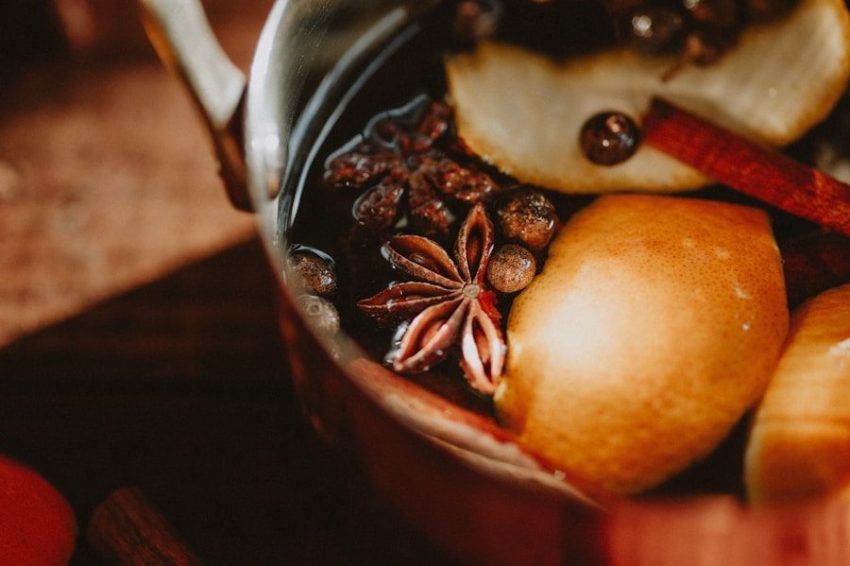
What Is a Simmer Pot?
A simmer pot (also called a stovetop potpourri or simmering potpourri pot) is exactly what it sounds like: a pot of water filled with fruits, spices, and herbs that gently simmers on your stove, releasing fragrance into the air as steam. No synthetic chemicals. No wax. No wick.
The result is a soft, layered scent that evolves over hours — warmer, more complex, and more natural than almost anything you can buy in a bottle.
Beyond the scent, there are real practical benefits. It adds moisture to dry air. If you’re in a new construction home, freshly painted rooms or forced-air heating can leave the air feeling parched. A simmering pot doubles as a natural humidifier. It also uses up food before it goes to waste — that half orange on the counter, the cranberries that didn’t make it into the sauce, the rosemary sprigs wilting in the fridge all have a second life here. And unlike many scented candles, which release VOCs (volatile organic compounds) as they burn, a simmer pot with whole fruits, spices, and herbs releases nothing but steam and scent.
How to Make a Simmer Pot: The Basics
You don’t need a precise recipe. You need a loose formula: water, plus citrus or fruit, plus warm spice, plus a fresh herb or evergreen.
Fill a medium pot (3 to 4 quarts) about three-quarters of the way with water. Add your aromatics. Bring to a boil over medium-high heat, then reduce to a low simmer. Let it go for 2 to 4 hours, checking every 45 to 60 minutes and topping up with water as needed. Set a timer — this is the one rule worth enforcing. You don’t want the pot to boil dry.
That’s it. From there, the recipes are endlessly adjustable.
6 Simmer Pot Recipes to Transform your Home
The Classic: Cinnamon Orange Spice
Warm, familiar, and universally loved — this is the one that makes people ask for the recipe.
- 1 orange, sliced into rounds
- 3 cinnamon sticks
- 1 tsp whole cloves
- ½ tsp nutmeg
- 1 star anise (optional but worth it)
This is the go-to for fall and winter. It smells like a bakery, a holiday, and a warm kitchen all at once.
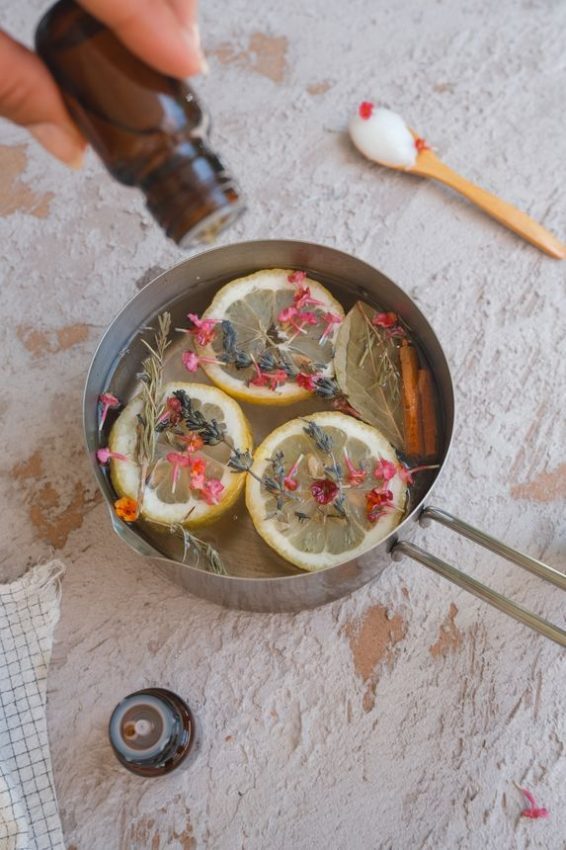
The Fresh Start: Lemon Lavender Herb
Light, clean, and perfect for spring — or for any new home that needs to shed the previous occupants’ smell.
- 1 lemon, sliced
- 3 to 4 sprigs fresh lavender (or 1 tbsp dried)
- 2 sprigs fresh rosemary
- 1 tsp vanilla extract
Bright without being aggressive. Good for smaller spaces, guest rooms, or that slightly musty spare bathroom.

The Holiday House: Cranberry Pine
The one that smells like December. Classic for good reason.
- ¾ cup fresh cranberries
- ½ orange, quartered
- 2 cinnamon sticks
- 2 to 3 sprigs fresh rosemary, or a few clippings from your Christmas tree
- 4 to 5 whole cloves
The pine or rosemary is essential here — it’s what gives this pot that outdoor, evergreen quality that pairs so well with the citrus and berry.
The Apple Orchard
Made for anyone who finds cinnamon-apple to be the most comforting scent on earth.
- 1 apple, any variety, cored and sliced
- 2 cinnamon sticks
- ¼ tsp ground cardamom
- 2 bay leaves
- Small handful of whole cloves
Works year-round but feels most at home in September and October. A great use for apples that are past their peak eating quality.
The Spa Day: Eucalyptus Mint
Crisp and clean, with none of the sweetness of the spice-heavy blends.
- 4 to 5 sprigs fresh mint
- Few drops of eucalyptus essential oil, added directly to the pot
- 1 lemon, sliced
- 1 sprig fresh rosemary
Clean and slightly medicinal in the best way. Good for home offices, post-renovation spaces, or anywhere that still carries a faint smell of construction.
The Kitchen Reset: Vanilla Citrus
Use this after cooking fish, onions, or anything else that lingers.
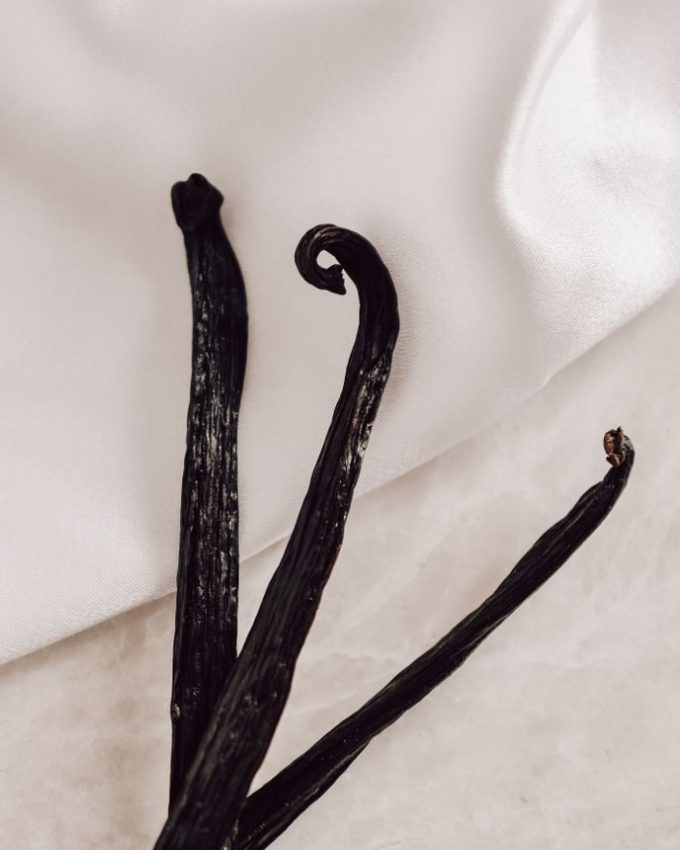
- 2 tsp pure vanilla extract or vanilla beans
- 1 lemon, sliced
- 1 lime, sliced
- 2 cinnamon sticks
- 1 tsp whole cloves
The vanilla does the heavy lifting. The citrus brightens everything up. Especially effective as a neutral reset after strong cooking smells.
Simmer Pot Tips That Actually Matter
Don’t overdo the spices. More isn’t always more — a single star anise can overpower an entire pot. Start lighter than you think you need to, and add more if you want intensity.
Use old or slightly past-peak ingredients intentionally. This is the best use for fruit that’s too soft to eat, herb bundles starting to dry out, or citrus peels you’d otherwise throw away.
The pot will smell strongest in the first hour, then mellow as it goes. If you want consistent intensity, add fresh aromatics midway through.
You can refrigerate the contents overnight and reuse them the next day. A batch of cranberries, citrus, and cinnamon sticks can simmer for two or three sessions before they’re spent. Store the whole pot, covered, in the fridge between uses.
A crockpot works too. Set it to low, leave the lid off or slightly ajar, and you have a hands-off version that’s easy to run all day.
Making a Simmer Pot With Kids
If you have children helping you settle into a new home, this is one of the best low-stakes kitchen projects you can do together. Even very young kids can add ingredients to the pot. Older kids can help plan the recipe, measure spices, and keep an eye on the water level — and there’s a genuine mini science lesson built in about how heat turns liquid into steam and carries scent molecules through the air.
It’s also a nice ritual to establish in a new space. The house starts to smell like your house. That matters more than it sounds.
A Note on Substitutions
No cranberries? Use pomegranate seeds or a handful of frozen berries. No fresh citrus? Dried orange slices or saved peels work fine. No cinnamon sticks? Ground cinnamon in small amounts works — start with half a teaspoon, as it can cloud the water. No fresh herbs? Dried rosemary, bay leaves, or even a chamomile tea bag can step in.
The simmer pot is forgiving. That’s part of its charm.
A simmer pot won’t rearrange your furniture or repaint your walls, but it will do something those things can’t: it will make your home smell like yours.
Scent is one of the fastest triggers for memories, the feeling of belonging, of comfort, of being somewhere you recognize as safe.
Pick a recipe. Fill the pot. Let it simmer and the smiling to begin.