
For many NYC building owners, Local Law 11 compliance becomes stressful only when an inspection deadline, unsafe condition, or façade repair notice appears. But in reality, staying compliant with the Façade Inspection & Safety Program, also known as FISP, depends on regular planning, proper repairs, and the right team supporting the building before small issues become serious.
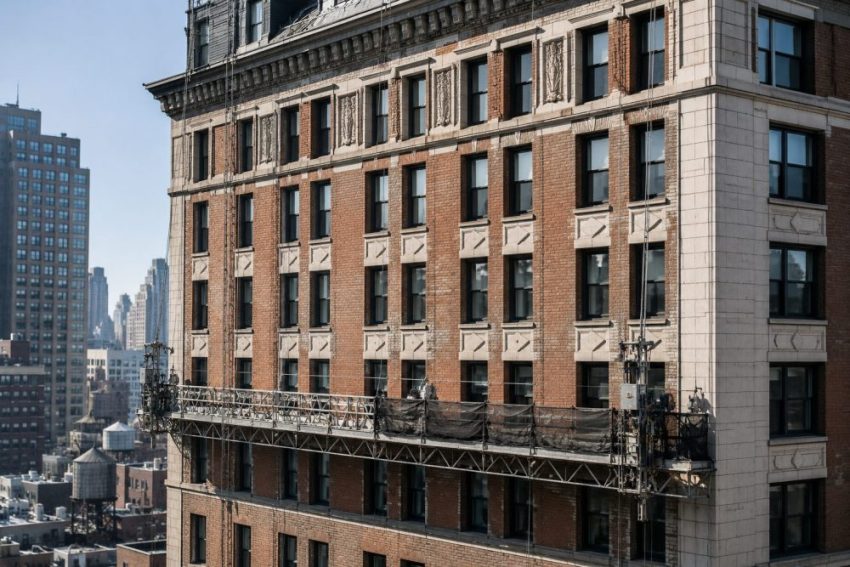
Local Law 11 applies to NYC buildings higher than six stories. These buildings must have exterior walls and appurtenances inspected every five years and file a technical façade report with the Department of Buildings. A Qualified Exterior Wall Inspector, or QEWI, performs the official inspection, but a contractor plays an important role when repair work is needed.
A skilled Local Law 11 contractor helps building owners, co-op boards, condo associations, and property managers complete façade repairs correctly, manage unsafe conditions, and keep the property moving toward compliance without unnecessary delays.
At a Glance
- Local Law 11 applies to many NYC buildings higher than six stories.
- FISP inspections are required every five years.
- A QEWI performs the official inspection and files the report.
- Contractors help repair unsafe or deteriorated façade conditions.
- Early repair planning can reduce violations, delays, and emergency costs.
- Proper documentation supports the building’s compliance process.
What Is Local Law 11 in NYC?
Local Law 11 is part of NYC’s Façade Inspection & Safety Program. Its purpose is to keep building façades safe and reduce the risk of falling materials from exterior walls, balconies, parapets, cornices, and other façade components.
During a FISP cycle, the building’s exterior is inspected and classified based on its condition. The report may identify the façade as safe, unsafe, or safe with a repair and maintenance program, commonly called SWARMP.
For NYC owners and managers, the inspection result is important because it determines the next step. A safe building may not need immediate repairs. An unsafe condition usually requires quick action. SWARMP conditions may not be hazardous yet, but they still need attention before they worsen.
Why FISP Compliance Is More Than an Inspection
Many property owners think compliance begins and ends with hiring a QEWI. While the inspection is required, compliance often depends on what happens after the report is issued.
If the inspection finds cracked masonry, deteriorated mortar, loose brick, damaged lintels, water infiltration, rusted steel, or unstable façade elements, the building needs a practical repair plan. This is where a qualified contractor becomes valuable.
A contractor does not replace the QEWI, but they help turn technical inspection findings into actual repair work. The contractor’s role is especially important when the building needs masonry repair, brick pointing, waterproofing, scaffold access, or emergency stabilization.
How a Local Law 11 Contractor Supports NYC Building Owners
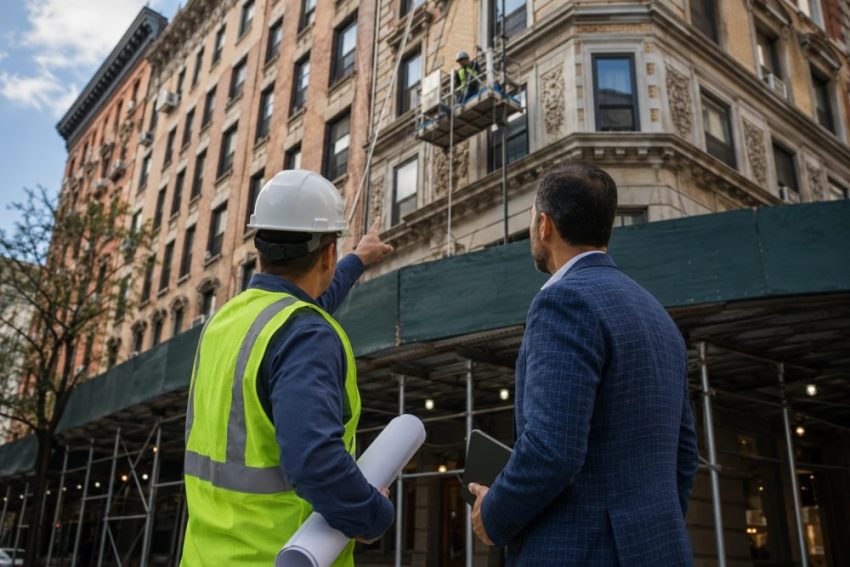
A reliable facade local law 11 contractor helps building owners understand the repair side of FISP compliance. This includes reviewing repair areas, coordinating access, planning materials, and completing the work according to the approved scope.
For older NYC masonry buildings, façade issues often involve more than one surface problem. A crack may be connected to water entry. Loose brickwork may be caused by failed mortar joints. Rusted lintels may push surrounding masonry out of place. A contractor familiar with Local Law 11 work knows how these issues are connected.
This helps owners avoid temporary patchwork and focus on repairs that support long-term façade safety.
Common Façade Problems Found During Local Law 11 Inspections
FISP inspections often identify conditions that are common in NYC buildings, especially older brick and masonry properties. These may include:
Deteriorated Mortar Joints
Mortar joints can weaken over time because of age, weather exposure, moisture, and freeze-thaw cycles. When mortar fails, bricks can loosen and water can enter the wall system.
Cracked or Spalling Brick
Brick units may crack, chip, or break apart when exposed to moisture, movement, or long-term deterioration. Damaged bricks may need replacement rather than simple patching.
Rusted Lintels and Steel Components
Steel lintels above windows can rust and expand. This can push surrounding brickwork outward and create unsafe façade conditions.
Parapet and Coping Damage
Parapet walls are highly exposed to weather. Loose coping stones, open joints, or cracked parapets can create safety and water infiltration risks.
Water Infiltration
Water entry is one of the most common causes of façade deterioration. If not corrected, it can damage masonry, interior walls, and structural components.
How Contractors Help Address Unsafe Conditions
Unsafe façade conditions need fast and organized action. If a condition creates a risk to pedestrians, tenants, or neighboring property, the building may need temporary protection before permanent repairs begin.
A Local Law 11 contractor can help install or coordinate sidewalk sheds, scaffolding, netting, controlled access, and temporary stabilization. These steps help protect the public while the repair plan is prepared and executed.
In busy NYC neighborhoods, this coordination matters. Contractors often have to work around storefronts, sidewalks, residential entrances, traffic, tenants, and neighboring buildings. A contractor with NYC façade experience understands how to keep the project moving while reducing disruption.
Why SWARMP Repairs Should Not Be Delayed
SWARMP means the façade is safe at the time of inspection but has conditions that require repair or maintenance. These issues may not be emergencies, but they should not be ignored.
Minor mortar deterioration can turn into loose masonry. Small cracks can allow water into the wall. Rusted steel can expand and damage surrounding brick. Over time, a manageable repair can become an unsafe condition.
Working with an experienced local law 11 contractor helps building owners address SWARMP issues before they become more expensive. This is especially helpful for co-op boards and condo associations that need to plan budgets carefully.
Contractor Coordination With the QEWI and Property Manager
FISP compliance usually involves several parties. The QEWI inspects the façade and prepares the report. The property manager communicates with ownership, residents, and vendors. The contractor performs the physical repair work.
Good coordination between these parties keeps the project organized. The contractor should understand the QEWI’s repair recommendations, follow the approved scope, provide updates, and document completed work.
This teamwork helps reduce confusion and supports a smoother compliance process.
The Role of Documentation in Local Law 11 Repairs
Documentation is an important part of façade repair work. Building owners may need records showing what was repaired, when the work was completed, and how the repair areas were addressed.
Useful documentation may include:
- Before and after photos
- Repair area notes
- Material information
- Daily or weekly progress updates
- Access and scaffold records
- Completion details for the design professional
Clear documentation helps the QEWI or project team verify completed repairs and support follow-up filings when required.
Why NYC Experience Matters in Local Law 11 Work
NYC buildings face unique façade conditions. Many properties are older masonry buildings exposed to heavy weather, dense pedestrian traffic, tight access conditions, and strict compliance expectations.
A contractor experienced with NYC façade work understands these challenges. They know how weather affects masonry, how water moves through wall systems, how scaffold access impacts scheduling, and how repair sequencing affects the overall project.
This experience is important because Local Law 11 repairs are not only about appearance. The goal is to improve façade safety, correct deterioration, and help the building meet compliance requirements.
How Early Planning Helps Avoid Costly Repairs
Waiting until the last minute can make Local Law 11 work more expensive and stressful. Emergency access, rushed bids, tenant disruption, weather delays, and expanded damage can all increase project costs.
Early planning gives owners more control. It allows time to review the inspection report, compare repair options, plan the budget, coordinate with residents, and schedule work during better weather conditions.
For larger buildings, early planning can also help phase repairs over time instead of dealing with all issues at once.
What to Look for in a Local Law 11 Contractor
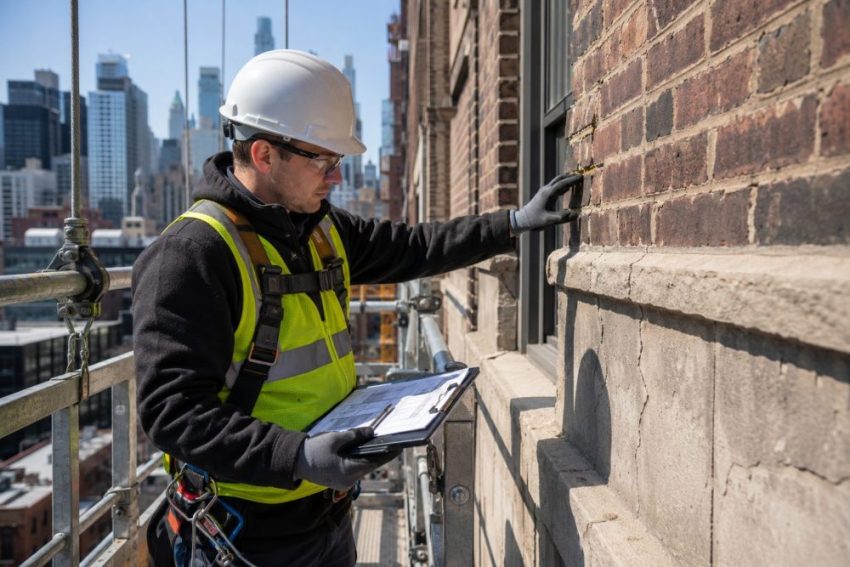
NYC building owners should choose a contractor with direct experience in façade repair and masonry restoration. The contractor should understand Local Law 11 repair scopes, scaffold coordination, brick pointing, lintel repair, waterproofing, crack repair, parapet work, and documentation.
Important qualities include:
- Experience with NYC façade repair projects
- Knowledge of masonry and exterior wall systems
- Ability to work with engineers and architects
- Clear repair estimates and timelines
- Strong safety practices
- Proper documentation during the project
- Familiarity with occupied residential and commercial buildings
The lowest estimate is not always the best option. Poor repair work can lead to repeat deterioration, failed follow-up reviews, and higher costs later.
Final Thoughts
Local Law 11 compliance is not only about filing an inspection report. It is about keeping the building façade safe, repairing deteriorated conditions, and planning work before small problems become unsafe.
A contractor helps NYC owners move from inspection findings to completed repairs. From masonry restoration and brick pointing to unsafe condition response and repair documentation, the right contractor supports the building throughout the FISP compliance process.
For property managers, co-op boards, condo associations, and building owners, hiring a contractor with Local Law 11 experience is a practical step toward safer façades and better long-term building maintenance.
FAQs About Local Law 11 Contractors in NYC
What does a Local Law 11 contractor do?
A Local Law 11 contractor performs façade repairs such as masonry repair, brick pointing, lintel repair, waterproofing, crack repair, and stabilization work.
Is a contractor the same as a QEWI?
No. A QEWI performs the official inspection and files the report, while the contractor completes the repair work identified during the process.
When should a building owner hire a Local Law 11 contractor?
Owners should involve a contractor when the inspection identifies unsafe or SWARMP conditions, or when repair planning is needed before a FISP deadline.
Can a contractor help with FISP compliance?
Yes. A contractor helps complete required façade repairs, coordinate access, document work, and support the building’s compliance process.
Why should SWARMP conditions be repaired early?
SWARMP conditions can worsen over time and may become unsafe if ignored, leading to higher costs and more urgent repairs later.