
We’d been living with our half-done bathroom for almost a year. The tile was in, the vanity was functional, and the mirror hung straight. But every time I walked in, something felt off. Not broken, not ugly, just unfinished. Like we’d stopped at 85% and called it good enough.
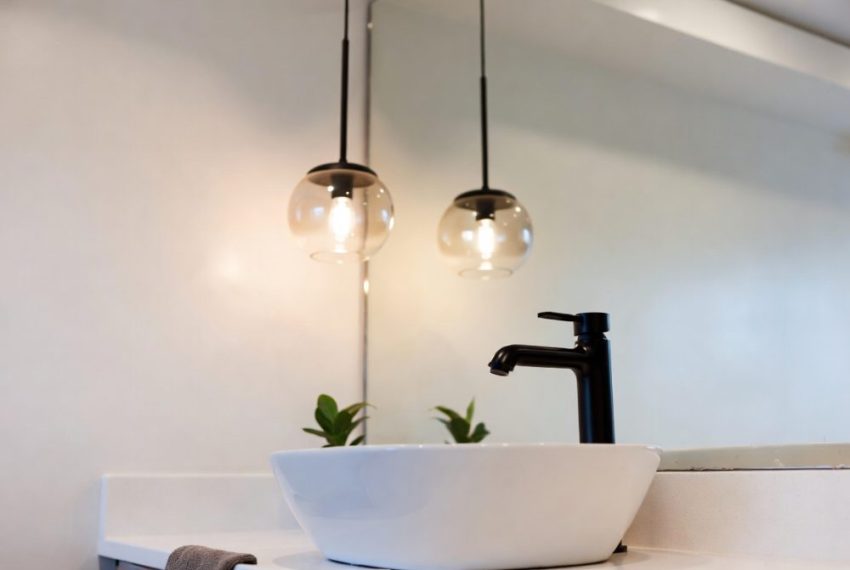
My husband kept saying we should add art or switch out the towels. I couldn’t figure out what was missing until my sister visited and asked why our fixtures looked like they came from three different bathrooms. She wasn’t wrong. The chrome towel bar didn’t match the brushed nickel cabinet pulls, and the builder-grade overhead light did absolutely nothing for the space. That comment stuck with me. So I started looking at what actually tied a bathroom together, and it turned out the answer wasn’t complicated. Two updates made the difference. Swapping to black bathroom faucets gave us a consistent finish that immediately felt more intentional, and the faucet became a focal point instead of just functional hardware. Adding the right lighting in the right spot changed how the whole room looked at different times of day. These weren’t massive renovations. They were targeted fixes that finally made the bathroom feel like we’d actually finished it.
Why Mismatched Finishes Make a Room Feel Chaotic
You don’t always notice finish mismatch right away. It’s subtle. But once someone points it out, you can’t unsee it. Our bathroom had chrome, brushed nickel, and something that might have been stainless or just aged chrome. None of it was terrible on its own, but together it looked like we’d pulled parts from a clearance bin.
Black changed that instantly. It’s a finish that works with almost anything because it creates a clear visual anchor. According to a 2025 survey from the National Kitchen and Bath Association, 41% of bathroom remodels now incorporate matte black fixtures, up from 23% just three years earlier. Homeowners aren’t choosing it because it’s trendy. They’re choosing it because it solves the finish coordination problem without requiring a full teardown.
The faucet sits right at eye level when you’re at the sink. That makes it one of the first things you see when you walk in. Ours had been a forgettable chrome piece that blended into the countertop. The black version we installed had clean lines, a single-lever design, and enough presence to feel like an intentional choice. It didn’t scream for attention, but it also didn’t disappear. That balance is what makes a fixture feel expensive without actually costing a fortune.
The Lighting Problem Nobody Talks About
Overhead lighting in bathrooms is usually terrible. It’s either too bright, too yellow, or positioned in a way that casts shadows exactly where you don’t want them. Ours was a basic flush mount that made everything look flat and washed out. Makeup was impossible. Shaving required guesswork. Even cleaning felt harder because you couldn’t see grime until you were two inches from the mirror.
I’d read about pendant lights in kitchens and entryways but never thought about them for a bathroom until I saw a remodel photo where someone had flanked their mirror with two small pendants. It looked custom and balanced, nothing like the standard vanity bar setup. That’s when I started researching if it was actually practical.
Turns out, bathroom pendant lights can work incredibly well if you get the placement and height right, especially when you want task lighting that doesn’t feel clinical. We mounted one centered above the mirror at about 72 inches from the floor. It cast light down and slightly forward, which eliminated the shadows under the eyes and jawline that overhead lights always create. The difference was immediate. Colors looked more accurate. Surfaces had dimension again. It wasn’t just brighter; it was better light.
Getting the Install Right Without Hiring Help
I’m not particularly handy, but I’ve learned that most home updates aren’t as complicated as they look if you break them into steps. The faucet swap took about an hour. Turn off the water supply valves under the sink, disconnect the old faucet lines, remove the mounting hardware, and reverse the process with the new one. The hardest part was getting the basin wrench into the tight space behind the sink. If you’ve got standard plumbing and a modern vanity, this is absolutely doable on a Saturday morning.
The pendant light required more planning but wasn’t any harder. We already had a ceiling junction box from the old fixture, so we didn’t need to run new wiring. I turned off the circuit breaker, removed the flush mount, and connected the pendant using the included mounting bracket and wire nuts. The instructions walked through every step. The only decision we had to make was cord length, which we adjusted before installing so the light hung at the right height.
If your bathroom doesn’t have a ceiling box where you want the pendant, you’ll need an electrician to add one. That’s the only part I’d recommend outsourcing unless you’re comfortable working with electrical. Everything else is straightforward.
What Changed Beyond the Obvious
The bathroom functions exactly the same as before. The sink still drains. The light still turns on. But the space feels coherent now in a way it didn’t before. Guests comment on it, which never happened with the old setup. My husband, who initially thought I was overthinking the whole thing, admitted he was wrong about a week after we finished.
It’s not magic. It’s consistency. The black faucet, black drain, and black towel bar create a visual line that ties the vanity area together. The pendant adds a layer of intentionality that builder-grade fixtures just don’t have. Together, they make the room look like someone made actual decisions instead of accepting whatever came with the house.
According to Remodeling Magazine’s 2026 Cost vs. Value Report, a mid-range bathroom remodel recoups about 54% of its cost at resale. But minor cosmetic updates like fixture swaps often return more because they’re low-cost, high-impact changes that make a space feel updated without the price tag of a full renovation. You’re not going to recoup the cost of retiling. You will benefit from spending $300 on a faucet and light that make the existing tile look better.
The Details That Make It Work
Black fixtures show water spots. That’s the trade-off. If you live in an area with hard water, you’ll be wiping things down more often. We keep a microfiber cloth in the vanity drawer and give the faucet a quick buff after use. It takes five seconds and keeps the finish looking clean. For us, the visual payoff is worth the minimal extra maintenance.
The pendant light needed a bulb with the right color temperature. We tried a 2700K warm white first, and it made everything look too yellow. Switching to a 3000K soft white gave us the balance we wanted, bright enough for tasks but still warm enough to feel comfortable. According to the U.S. Department of Energy, LED bulbs in the 2700K to 3000K range work well for bathrooms because they provide good color rendering without the harshness of daylight bulbs.
Cord color matters more than you’d think. We went with a black fabric-covered cord that matched the faucet finish. If we’d chosen chrome or white, it would’ve broken the visual consistency we were trying to create. Small details like this don’t cost extra, but they make a noticeable difference in how pulled-together the room feels.
Why This Approach Works Better Than a Full Remodel
We could have gutted the bathroom. Ripped out the tub, replaced the tile, moved the plumbing. That would’ve cost $15,000 and taken six weeks. Instead, we spent under $400 and had everything done in a weekend. The room looks intentional now. It doesn’t look like a teardown candidate.
This is the same strategy we used in our kitchen refresh, where small, targeted changes created a much bigger visual impact than the time and money invested would suggest. You don’t need to change everything to make a space feel finished. You just need to fix what’s actually broken or mismatched.
Full remodels make sense when the layout doesn’t work, or the infrastructure is failing. If your bathroom functions fine and you like the bones, fixture and lighting updates can get you 80% of the way to a finished look for a fraction of the cost. That’s not settling. That’s being strategic about where your money and time actually make a difference.
What We’d Do Differently
If I were doing this again, I’d measure the pendant height before ordering. We ended up adjusting the cord length after it arrived, which added an extra step. Most pendants let you shorten the cord during install, but it’s easier if you know the exact height you want beforehand. Measure from your ceiling to about 72 inches off the floor, subtract the height of the fixture itself, and that’s your cord length.
I’d also test paint samples next to the black fixtures before committing. We didn’t repaint, but if we had, I would’ve wanted to see how different whites looked next to the matte black finish. Some whites read too stark, others too creamy. It’s worth spending $10 on samples to make sure the wall color complements the hardware instead of fighting it.
FAQ
Can black faucets work in a small bathroom?
Absolutely. Black creates contrast, which can actually make small spaces feel more defined rather than cramped. The key is keeping the rest of the finishes consistent so the room doesn’t feel busy.
Do pendant lights provide enough light for a bathroom?
It depends on placement and bulb choice. A single pendant works well as task lighting above or beside a mirror, but you’ll likely want to keep your overhead light for general ambient lighting. We use both depending on the time of day and what we’re doing.
How do I keep matte black fixtures from showing water spots?
Wipe them down with a dry microfiber cloth after each use. It takes a few seconds and keeps the finish looking clean. If you have hard water, a quick spray with diluted vinegar once a week helps prevent buildup.
Is it worth upgrading fixtures if I’m not selling my house?
Yes, if the current setup bothers you or feels unfinished. You live with your bathroom every day. Small upgrades that make the space more functional or visually coherent are worth it for your own daily experience, not just resale value.