
Keeping a roof in good condition is essential for maintaining a safe and energy-efficient home. While minor roof repairs may be tempting to tackle on your own, some issues require professional expertise to avoid costly mistakes. This guide helps homeowners determine which repairs they can manage themselves and when it’s best to call in the professionals.
Understanding Roof Repair Basics
Why Roof Repairs Matter
A damaged roof can lead to various problems, including leaks, mould, and structural issues that may jeopardize your home’s safety. Additionally, poor roof maintenance can reduce energy efficiency, resulting in higher utility bills.
The Risks of DIY Roof Repair
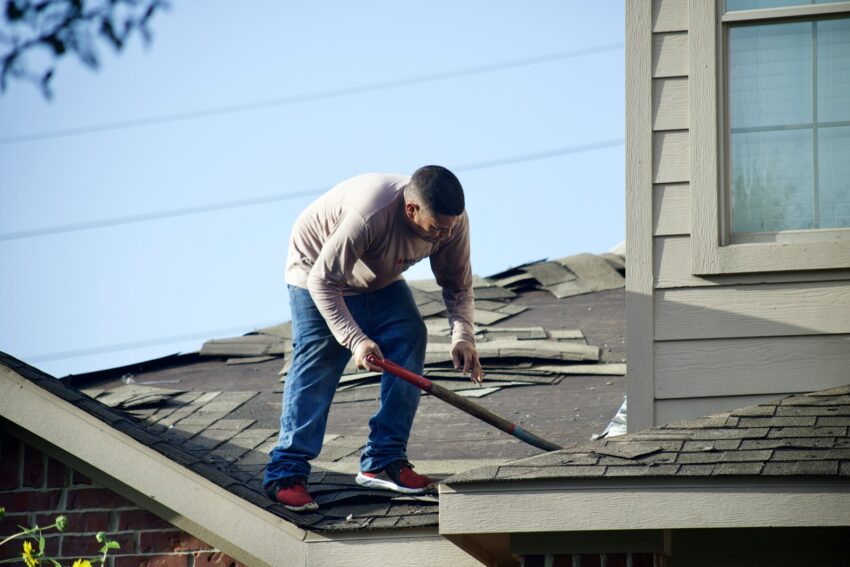
Climbing onto a roof poses risks, especially for those inexperienced with heights or lacking the necessary safety equipment. Even simple repairs can become complicated, and mistakes could result in further damage. Misjudging the extent of an issue or using improper materials may also void warranties on roofing products.
Assessing When to Tackle Roof Repairs Yourself
While some roof repairs perth are suitable for DIYers, assessing your skills, the tools required, and the safety risks involved is crucial.
Suitable DIY Roof Repairs
The following are some common minor repairs that confident DIYers might consider tackling:
- Replacing Missing Shingles: A few missing or cracked shingles can sometimes be replaced without professional help. You’ll need to find shingles that match your roof’s material and colour.
- Fixing Small Leaks: Minor leaks near vents or around skylights can often be managed with patch kits available at home improvement stores.
- Cleaning Debris from Gutters and Downspouts: Regular gutter cleaning is essential for preventing water overflow and roof damage.
- Reapplying Sealant: If your roof has sealant that has worn away around vents or flashings, you may reapply the sealant yourself, following manufacturer instructions.
Necessary Tools and Safety Equipment
Before attempting a DIY repair, ensure you have:
- A sturdy ladder and harness
- Slip-resistant shoes
- Roofing nails, shingles, or sealant
- A safety spotter if possible
Taking these precautions can reduce your risk of accidents.
When to Call the Experts: Complex Roofing Issues
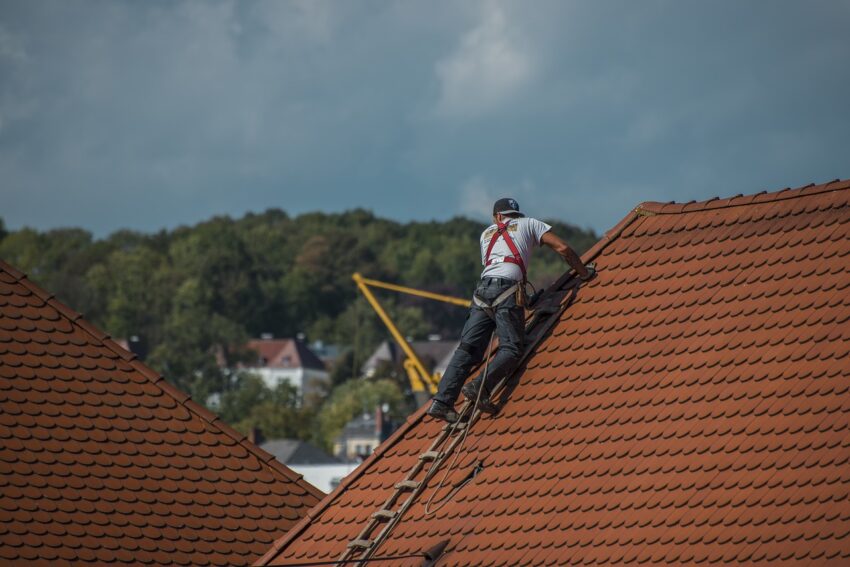
For more complex or dangerous issues, it’s best to hire a professional roofer. Here are some situations where calling an expert is essential.
Severe or Widespread Damage
Significant roof damage from storms, fallen branches, or widespread leaks requires professional inspection and repair. Attempting large repairs without the right tools or experience can worsen the damage.
Structural Issues
If you notice sagging or soft spots on your roof, this could indicate a serious structural issue that needs immediate professional attention. Such issues may affect your home’s stability and should never be attempted as a DIY project.
Roofing Materials Requiring Specialized Knowledge
Certain roofing materials, such as slate, tile, or metal, require expertise to install or repair properly. Improper handling can result in cracked or broken tiles and costly replacements.
Complicated Roof Designs
Roofs with steep slopes, multiple angles, or architectural features are challenging to repair without professional training. In such cases, a roofer has the necessary experience to safely and effectively navigate these complex designs.
Extensive Leaks and Water Damage
Water can seep deep into a roof’s structure, causing widespread damage that isn’t always visible. A professional roofer can assess the full extent of water damage and recommend comprehensive repairs, preventing further issues.
Insurance and Warranty Considerations
Some roofing warranties require that repairs be done by a certified professional to remain valid. Additionally, insurance claims for roof damage are more likely to be approved if the repairs are conducted by a licensed roofer.
Selecting a Reliable Roofing Professional
Choosing a reputable roofer is vital to ensure that repairs are performed correctly and within budget.
Key Qualities to Look For
When hiring a roofer, look for the following:
- Licensing and Insurance: Licensed roofers are more likely to have the necessary skills and meet state regulations. Ensure they are insured to protect against accidents or damages.
- Experience with Your Roofing Type: Each roofing material has unique requirements. Select a roofer with specific experience handling your roof’s material, whether it’s asphalt, slate, tile, or metal.
- Positive Reviews and Referrals: Ask for references or check online reviews to ensure the roofer has a history of quality workmanship and reliability.
Comparing Estimates and Services
Getting multiple estimates is essential for evaluating the costs and scope of different roofing services. Be cautious of quotes that are significantly lower than others, as they may indicate subpar materials or workmanship.
Avoiding Common Roofing Scams
Unfortunately, the roofing industry has its share of scammers. Beware of contractors who:
- Demand large deposits upfront
- Offer discounts for signing quickly
- Lack of proper identification or business credentials
Legitimate roofers provide detailed contracts and clear payment terms. They also respect your right to take time to decide on their offer.
Maintaining Your Roof to Prevent Future Issues
Regular roof maintenance can extend its life and reduce the likelihood of costly repairs. Here are some proactive maintenance tips:
Schedule Annual Inspections
Professional inspections identify potential problems early, allowing for timely repairs. This can prevent minor issues from becoming more extensive and expensive over time.
Clean Gutters and Downspouts
Keeping gutters free of leaves and debris allows water to flow freely, reducing the risk of water damage to your roof and foundation.
Trim Overhanging Branches
Branches hanging over your roof can scrape shingles or cause damage during storms. Trim these branches to prevent them from impacting your roof.
Check for Loose or Damaged Flashing
Flashing around vents, chimneys, and skylights can wear out over time, leading to leaks. Regularly check for loose or corroded flashing and replace it as needed.
Final Thoughts
Knowing when to handle roof repairs yourself and when to hire an expert is essential for maintaining a safe and durable roof. While some repairs can be managed independently, others pose risks that require professional knowledge and tools.
Prioritizing safety and quality over cost savings can help you protect your home and investment in the long run. For homeowners, finding that balance between DIY repairs and professional help is the key to keeping a roof in optimal condition.