
Kitchen window blinds should look good, but they also need to work around cooking, cleaning, and everyday routines. The right choice can give you privacy, help manage sunlight, and complement your kitchen without getting in the way.
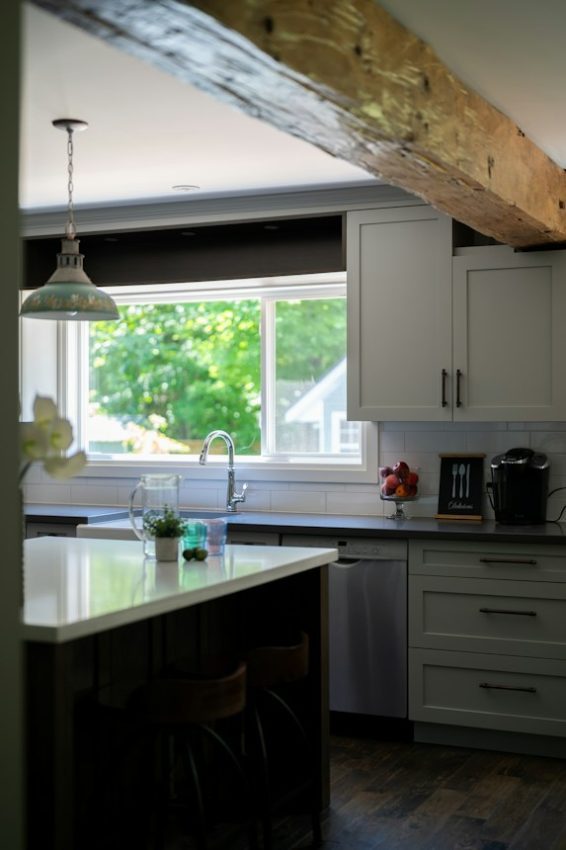
What to Consider Before Choosing Kitchen Blinds
Start with the window’s location. A window above a sink or countertop may need a compact kitchen blinds that is easy to raise and lower. If it is near a stove, check whether the blind could be exposed to heat, splashes, or cooking residue. For a window beside a door, make sure the blind will not obstruct the door or its handle.
Then think about what you want the blinds to do:
- Control privacy: Blinds can help block views into the kitchen, especially when the window faces a street or a nearby home.
- Manage sunlight: Adjustable blinds let you change the angle of the slats or control how much light enters.
- Reduce glare: This can be useful if sunlight falls directly on a work surface or dining table.
- Complement the room: Color and material can coordinate with your cabinets, countertops, flooring, or other window treatments.
Popular Types of Kitchen Window Blinds
Faux Wood Blinds
Faux wood blinds offer the look of painted wood with a practical finish that is often chosen for kitchens. Their adjustable slats give you control over light and privacy. They can suit traditional, transitional, or modern kitchens, depending on the color and slat width.
Wood Blinds
Wood blinds add natural warmth and texture. They may work well in kitchens where they are away from direct splashes or excessive moisture. Check the product’s care instructions and suitability for the location before choosing them.
Aluminum Blinds
Aluminum blinds have a slim profile and adjustable slats. They can fit compact windows and contemporary kitchens, and they are available in a range of colors. Their narrow shape can be helpful when there is limited space around the window.
Vinyl Blinds
Vinyl blinds come in a variety of colors and styles, and some options are easy to wipe clean. Check that the specific product is suitable for the kitchen’s conditions and follow the manufacturer’s cleaning instructions.
Vertical Blinds
Vertical blinds are usually associated with larger windows or patio doors. Their panels can move aside to provide access and a clear view, so they may suit a kitchen with a wide window or sliding glass door.
How to Choose Blinds for a Kitchen Sink Window
For a window above the sink, look for a design that is easy to operate and simple to keep clean. A cordless control may be convenient when the countertop is busy. Make sure the blind’s bottom rail will not rest in a spot where it is frequently splashed or bumped.
If you want daylight as well as privacy, adjustable slats can help you direct light while limiting the view into your home. Another option is to pair a blind with a simple café curtain, which covers part of the window while leaving the upper section open.
Choosing the Right Color
White and off-white blinds can blend with light cabinets and trim, creating a clean, understated look. Wood tones can add warmth and coordinate with floors or furniture. Darker colors can create contrast, though they may stand out more against a light wall.
For an open-plan kitchen, consider how the blinds look from the adjoining living or dining area. They do not have to match every window treatment in the home, but related colors, materials, or hardware can help the spaces feel connected.
Measuring Kitchen Windows
Accurate measurements help blinds fit and operate properly. Measure each window individually, even if several windows appear to be the same size. Decide whether you want an inside mount, fitted within the window frame, or an outside mount, which covers part of the surrounding frame or wall.
Before ordering, check for handles, faucets, tile, trim, and other features that could interfere with the blind. Follow the manufacturer’s measuring instructions, since requirements can vary by product and mounting style.
Cleaning and Care
Kitchen blinds can collect dust and cooking residue over time. Use the cleaning method recommended by the manufacturer. Depending on the material, this may mean dusting with a soft cloth or wiping the slats gently with a damp cloth. Avoid soaking blinds or using strong cleaners unless the product instructions say they are safe.
The Takeaway
The best kitchen window blinds suit the window’s location, provide the privacy and light control you need, and are easy to operate and maintain. Consider faux wood, wood, aluminum, vinyl, or vertical blinds based on the window size, nearby surfaces, and overall kitchen design. A careful fit and a practical material can make the window both useful and visually connected to the rest of the room.