
Older homes are full of surprises, especially once the walls start coming down. A simple bathroom update might reveal aging pipes. A kitchen remodel can uncover electrical work that hasn’t been touched in decades. Somewhere along the way, someone usually asks whether everything is “up to code.”
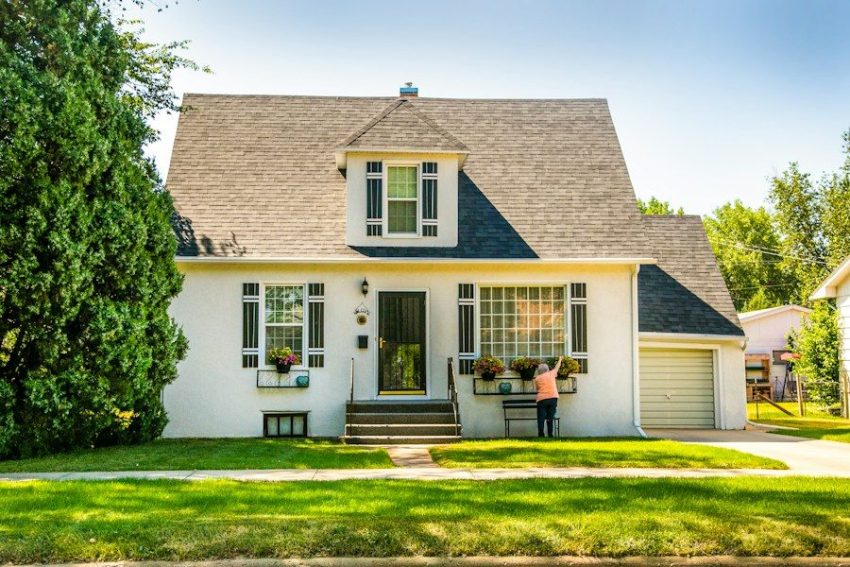
That phrase can sound more serious than it is. Owning an older home doesn’t mean every original system has to be rebuilt to meet today’s standards. The bigger question is what happens when you start changing things. New work may need to meet current local requirements, even when the surrounding parts of the house are much older.
“Up to Code” Doesn’t Always Mean “Built Like a New House”
Codes change. Materials change. Construction methods change with them.
That means an older house may contain plumbing, wiring, framing, or other features that wouldn’t be installed the same way today. Their age alone doesn’t automatically make them a violation. Whether something can stay often comes down to its condition, what work is being done nearby, and the rules where the home is located.
A small repair and a major alteration can also be treated very differently. Swapping out a faucet, for instance, isn’t the same project as moving a sink across the room and rerouting the supply and drain lines. Once the scope expands, current requirements are more likely to come into play.
When a Remodel Can Change the Rules
This is where renovation plans can get a little more complicated.
A project that starts as a cosmetic refresh may eventually involve plumbing, electrical, or mechanical systems. Moving fixtures, adding a bathroom, replacing a long run of pipe, or changing wiring can introduce permit and inspection requirements that weren’t part of the original plan.
Opening up an older house can reveal previous work as well. Maybe a repair was made years ago and covered back up. Maybe a previous owner improvised something that worked well enough to go unnoticed. Some discoveries are harmless. Others affect how the new work should be handled.
If a problem does need attention, finding it while the area is already open is usually better than discovering it after the new tile, drywall, or cabinetry is finished.
Why Older Homes Create More Gray Areas
Few older houses have been renovated all at once. More often, they’ve been updated room by room and owner by owner.
One bathroom may still have original plumbing. The kitchen might have newer supply lines. An upstairs addition could have been completed decades later under a completely different set of standards. Add a few undocumented repairs to the mix, and the history of the house can get difficult to untangle.
That’s why age isn’t a useful test on its own. A component that has been in place for decades may still be serviceable, while something much newer could have been installed poorly.
The context matters. So does access. If a renovation exposes a connection that will soon be buried behind a finished wall again, that may be the right time to take a closer look.
Knowing Where DIY Should Stop
Older homes invite hands-on projects, and plenty of them are perfectly manageable for homeowners. Painting, trim work, hardware changes, and other cosmetic updates are one thing. Plumbing, gas, electrical, and structural work can quickly become a different kind of project.
Knowing when DIY just isn’t enough can save a lot of trouble once hidden systems enter the picture. Before changing those systems, it makes sense to find out whether permits are required, whether inspections are involved, and who is allowed to perform the work locally.
Those questions matter even more when new work has to connect with parts of a house that may have been in place for 50, 70, or even 100 years.
Codes Change, and Professionals Have to Keep Up
Rules can vary depending on where the home is located. Georgia, for example, requires master and journeyman plumbers to complete continuing education covering topics such as state codes, installation, safety, tools, materials, and new techniques. Georgia plumber continuing education courses can cover code changes and other renewal-related subjects that help working professionals stay current.
Texas, by comparison, requires six hours of continuing professional education for annual license renewal. The difference is a useful reminder that state rules aren’t interchangeable.
For older homes, staying current matters because new plumbing often has to work alongside materials and layouts installed under very different standards. The goal isn’t to treat everything old as defective. It’s to know how current work should connect with what is already there.
What Homeowners Should Ask Before Work Begins
A few good questions can clear up a lot before demolition starts.
Does the project require a permit? Will existing plumbing or wiring be changed? Are inspections needed before the walls are closed? What happens if older or questionable work is uncovered along the way?
It’s also worth asking which parts of the system are staying and which are being replaced. Future access matters, too. A shutoff valve, junction, or connection that is easy to reach during construction may be much harder to deal with once the room is finished.
Getting those answers early helps avoid rushed decisions halfway through the job.
Keeping the Old House, Updating What Matters
An older home doesn’t need to become a new house in disguise.
The better goal is to understand what can stay, what needs attention, and which parts of the project bring current requirements into play. Sometimes that means leaving a perfectly serviceable older component alone. Other times, an open wall creates the ideal opportunity to fix something that would be difficult to reach later.
That balance is part of renovating an older house well. Keep what still works. Update what truly needs it. And make the decisions while you can still see what’s behind the wall.