
An energy-efficient kitchen is a practical way to lower your utility bills while contributing to a healthier planet. Kitchens are among the most energy-intensive spaces in a home, with appliances and lighting running for hours daily.
Small upgrades can lead to significant savings over time. Beyond the financial benefits, reducing your kitchen’s energy consumption also helps minimize your carbon footprint, hence supporting a more sustainable lifestyle. Making simple, thoughtful changes can help you create a kitchen that works smarter, saves money, and supports the environment.
In this article, we’ll explore simple and effective upgrades you can make to transform your kitchen into an energy-efficient haven.
Upgrade Your Appliances
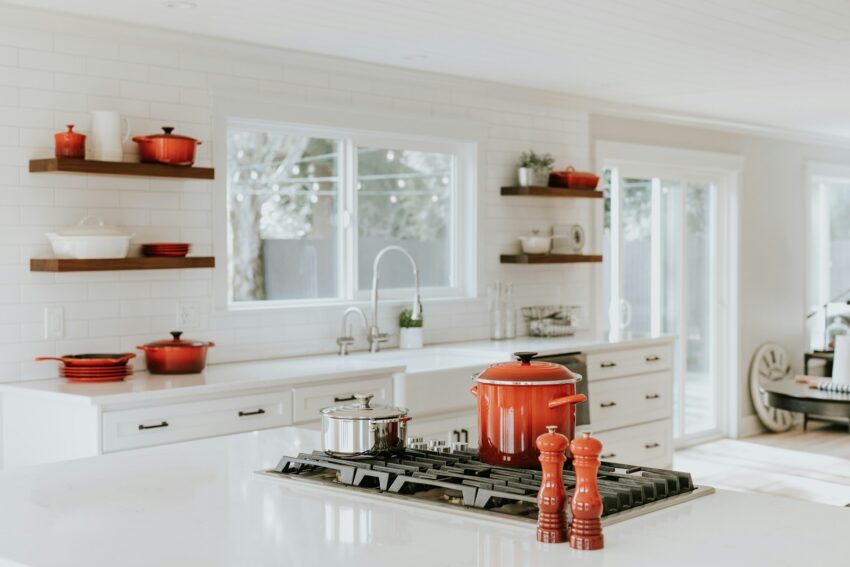
Replacing outdated kitchen appliances with energy-efficient models can lead to significant savings on your energy bills.
Look for appliances that are ENERGY STAR® certified, as they meet strict energy efficiency guidelines set by the U.S. Environmental Protection Agency. Modern refrigerators, for instance, use much less energy than older models due to improvements in insulation and compressors.
Properly recycling your old fridge and replacing it with an ENERGY STAR® certified model ensures you save a substantial amount on energy costs over its lifetime.
When considering which appliances to upgrade, focus on those that consume the most energy, such as refrigerators, ovens, and dishwashers. Upgrading to energy-efficient models gives your kitchen a modern facelift while reducing your utility bills and decreasing your carbon footprint. This contributes to a more sustainable environment.
For personalized guidance on creating a more energy-efficient home or kitchen, consulting experts like Green Choice Energy Consultants can be a valuable step.
Optimize Your Lighting
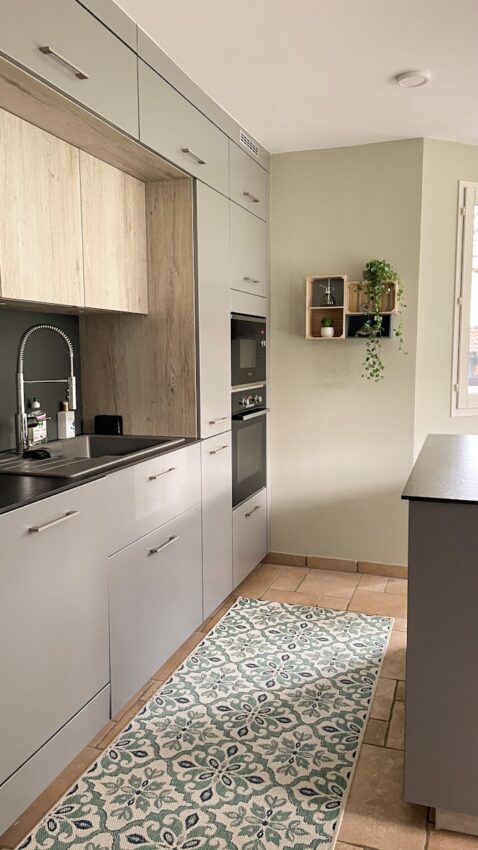
Lighting plays a crucial role in your kitchen’s energy consumption. Switching to LED bulbs during a kitchen upgrade can significantly reduce energy usage, as they consume up to 80% less energy than incandescent bulbs and can last up to 25,000 hours or more.
Additionally, maximizing natural light during the day not only saves energy but also creates a pleasant cooking environment.
Installing dimmer switches allows you to adjust the brightness based on your needs, further conserving energy.
Under-cabinet lighting is another effective solution. It provides focused illumination for tasks while using energy-efficient LED strips or spotlights. By optimizing your kitchen lighting, you enhance both functionality and energy efficiency.
Cook Smarter, Not Harder
Adopting smarter cooking habits can lead to energy savings. For smaller meals, consider using appliances like toaster ovens or air fryers, which consume less energy than conventional ovens.
Air fryers, for example, have gained popularity due to their energy efficiency, quick cooking times, and low-fat requirements.
Investing in pressure cookers or induction cooktops can also be beneficial. This is because they cook food faster and more efficiently.
Simple practices like using lids on pots and pans can significantly reduce cooking times and energy usage by retaining heat more effectively. Induction cooktops provide fast heating and improved thermal efficiency compared to traditional cooking methods. This makes them a valuable addition to an energy-efficient kitchen.
Reduce Phantom Energy
Phantom energy, also known as standby power, is the electricity consumed by appliances even when they are turned off but remain plugged in. This hidden energy drain can account for a surprising portion of your energy bill.
Unplugging appliances when not in use is a simple yet effective way to eliminate this unnecessary consumption. Alternatively, using smart power strips can help automate this process by cutting off power to devices in standby mode. This ensures no energy is wasted without extra effort on your part.
Appliances like microwaves, coffee makers, toasters, and even phone chargers are common culprits of phantom energy. Being mindful of unplugging or switching off these devices when they’re not in use can lead to noticeable savings on your energy bill over time.
Improve Kitchen Insulation
Proper insulation in your kitchen helps maintain a consistent temperature. It reduces the need for additional heating or cooling. Sealing gaps around windows and doors prevents drafts, ensuring your kitchen stays comfortable year-round. Adding insulation behind appliances like refrigerators and ovens can further reduce energy waste by preventing heat loss.
Ensuring that your kitchen is well-insulated enhances energy efficiency and improves overall comfort. Regularly checking for and sealing any gaps or leaks can make a significant difference in your home’s energy consumption.
Maximize Water Efficiency
Water-efficient appliances and fixtures contribute to overall energy and water savings. They are, therefore, a smart investment for any kitchen. Using a dishwasher that is ENERGY STAR® certified can significantly save water and energy compared to hand washing, especially when paired with modern eco-friendly cycles.
Additionally, installing low-flow faucets reduces water usage without compromising performance. They offer an easy way to cut down on daily water consumption.
Adjusting your dishwasher settings to eco-friendly modes and only running it with full loads can further enhance water efficiency. For even greater savings, ensure that your sink fittings are properly maintained to prevent leaks.
These practices conserve water and reduce the energy required to heat the water. Ultimately, they lead to lower utility bills and a more sustainable kitchen.