
Two people can move the same distance and have completely different moving days.
One person loads a truck from a driveway, drives twenty miles and unloads through a front door. Another moves twenty miles across the same general area but starts on the fourth floor, has no convenient parking, owns a piano, needs an elevator reserved and has exactly three hours to get everything out before the building closes its moving window.
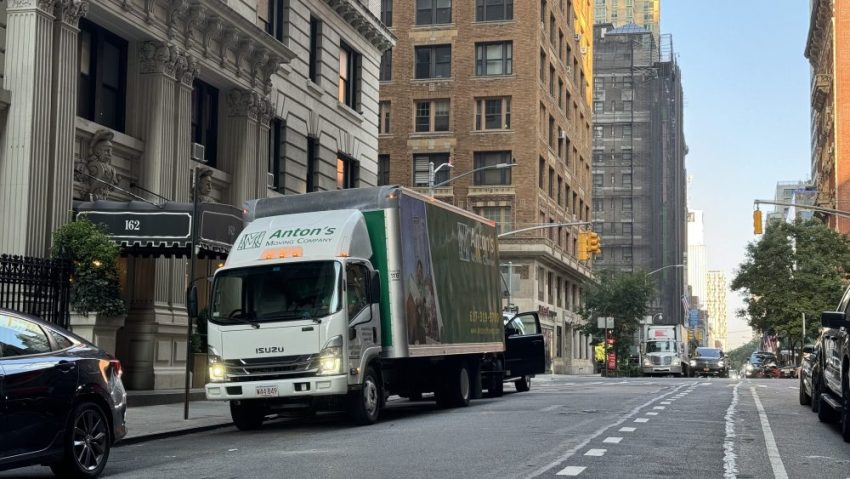
Same distance. Entirely different conversation. Distance matters, obviously. But it isn’t the thing that tells you how complicated a move is going to be. The property, the furniture, the access, the timing and a dozen smaller details can matter just as much. Sometimes more.
Let’s see what real Brookline movers have to say about that.
A House And An Apartment Create Different Problems
A single-family home often gives movers something apartments don’t: space.
There may be a driveway. Several entrances. A garage. A front door that opens directly onto the street or yard. Furniture can sometimes travel a relatively simple path from room to truck.
Apartments compress everything.
There may be one usable entrance, a long hallway, a small elevator and a loading area shared with everyone else in the building. Suddenly, moving a sofa isn’t just about carrying a sofa.
It’s about getting the sofa through the building. That distinction can change the entire plan.

Stairs Can Rewrite The Equation
Stairs are not necessarily a problem. Plenty of moves involve stairs and go perfectly well. Though the number of flights, staircase width, turns and furniture dimensions all matter.
A narrow staircase with a tight landing can be far more significant than an extra ten miles of driving.
Older urban properties are particularly interesting here. Buildings that were designed long before modern furniture sometimes have narrow doorways and corridors that don’t seem especially interested in accommodating today’s oversized couches.
Measure first. Hope later.
Elevators Only Help When They’re Available
An elevator can make a multi-story move a lot easier. It can also introduce another scheduling problem.
Some apartment buildings require elevators to be reserved specifically for moving. Others limit the hours when furniture can be transported through the building. There may be a freight elevator, a service entrance or a particular route movers are expected to use.
If that information isn’t known ahead of time, the truck can arrive perfectly on schedule and the move can still grind to a halt.
The elevator was never available. Nobody knew. Now everyone knows.
Furniture Has A Personality Of Its Own
Boxes are relatively cooperative. Furniture isn’t.
A dining table can be awkward. A solid wood dresser can be extremely heavy. A sectional sofa may have to be separated into pieces. Glass furniture, antiques and other fragile items require different handling than ordinary household goods.
Then there are the things that seem physically designed to cause trouble.
Oversized mattresses. Exercise equipment. Pianos. Extra-large refrigerators. That enormous desk you bought because it looked wonderful in the showroom. The more unusual the furniture, the more useful it is to mention it before moving day.
A mover can plan for an awkward item. A mover discovering it for the first time when the truck is already outside is a different story.
Parking Can Add A Surprising Amount Of Work
Imagine the truck parking directly beside the front door. Wonderful.
Now imagine it parking 150 feet away. Still possible, obviously. But every piece of furniture and every box has to travel that additional distance.
In cities, parking may be limited or restricted. In suburban neighborhoods, a narrow driveway, steep grade or landscaping can create its own obstacles.
The distance between the truck and the building is part of the physical move. People sometimes forget to count it.
Building Rules Can Become Part Of The Schedule
A moving company can arrive at 8 a.m. and still be unable to start.
Maybe the building only allows moves after 9. Maybe the elevator is reserved from 10 to noon. Maybe the property manager requires insurance documentation before movers enter the building.
These aren’t minor administrative details if they determine when furniture can actually move.
Before moving day, ask both the current and future properties about their rules. Moving hours. Elevator reservations. Loading areas. Entrance restrictions. Required paperwork.
Write it down. Memory gets strangely unreliable when you’re standing beside a truck full of furniture.
Multiple Floors And Multiple Stops Complicate Things Quickly
Moving from one house to another is relatively straightforward compared with a move involving several destinations.
Perhaps furniture is coming from a storage unit first. Maybe belongings are being collected from two apartments. Maybe some items are going to the new house while others are going to a relative.
Every additional stop creates another layer of timing, loading and unloading. The same is true inside a large property. Furniture coming from a basement, second floor and detached garage doesn’t magically combine itself into one convenient pile.
The route matters.
Tight Schedules Leave Very Little Room For Surprises
A move is much easier to manage when there is some breathing room. Not everyone gets that luxury.
Lease dates may overlap by only a day. A buyer may take possession of a home on a specific date. An apartment may only allow move-ins during a narrow window.
When move-out and move-in dates don’t align, storage or temporary arrangements may become necessary. When they do align, timing becomes much more important. A delay at the first property can follow the truck all day.
That’s why a move with an aggressive schedule deserves more planning than a move where nobody cares whether unloading finishes at noon or three.
Older Properties Deserve An Extra Look
Older buildings often have character. They also have staircases that make you question several decisions made by previous generations.
Narrow doorways, unusual floor plans, small elevators, uneven floors and limited parking can all affect how furniture enters or leaves the property. None of this means an older home is impossible to move from. It simply means the building itself should be part of the conversation before the truck arrives.
Tell movers the awkward stuff. Don’t just say, “It’s a two-bedroom apartment.” Mention the fourth-floor walk-up. Mention the elevator. Mention the narrow driveway. Mention the piano. Mention that the sofa barely fits through the front door. Mention the second pickup. Mention the building’s four-hour moving window.
The goal isn’t to overwhelm anyone with information. It’s to give the people planning the move an accurate picture of the job.
Photos can also help when something about the property is difficult to describe.
Planning For Complications Is Easier Than Reacting To Them
Most moving complications aren’t mysterious. They’re usually visible beforehand.
A staircase is there. The elevator has a reservation policy. The parking situation can be checked. Furniture can be measured. Building rules can be confirmed.
Finding these things early gives you options. Finding them when the truck is already parked outside gives you fewer. That’s why two moves covering the same distance can require completely different amounts of planning. The miles between the addresses are only one part of the equation.
The rest is sitting there in plain sight: behind the front door, at the end of the hallway, three flights upstairs, around the corner where the truck can’t park.
You just have to look before moving day.