
Old houses have character that new builds rarely match. They also hide surprises behind the walls. A weekend paint job can turn into a month of structural work once you start pulling things apart.
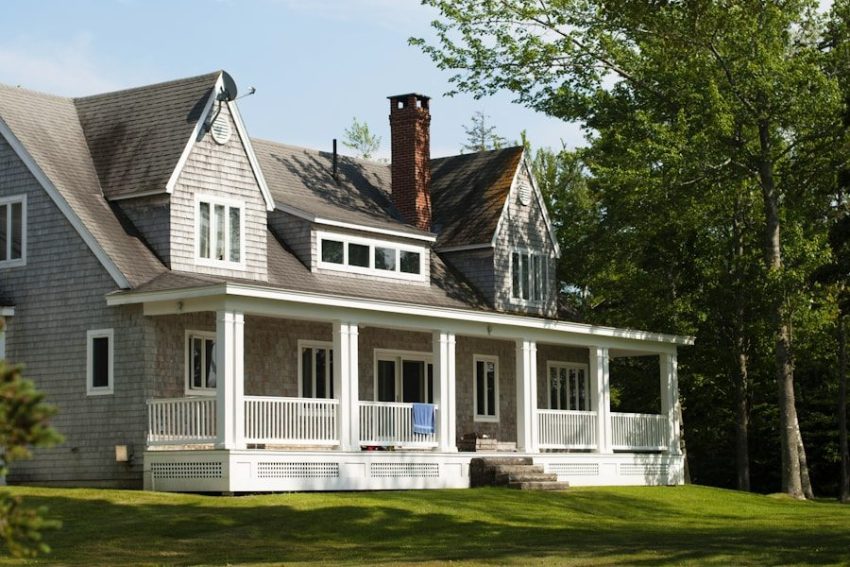
Sometimes the repair list grows faster than your budget or your free time. When a house needs more than a do-it-yourself fix, selling it as-is for cash becomes a fair option. In Kansas, homeowners often reach out to a buyer like Freedom Property Investors to skip the repairs entirely. Knowing when to fix and when to sell is the real skill here.
How Do You Know an Old House Needs More Than a Weekend Fix?
Watch for problems that touch the whole structure, not just one room. Foundation cracks, old wiring, and a failing roof point to a much bigger job. These are not the kind of fixes you finish over a Saturday.
Homes built before 1978 may also carry lead paint. That paint needs careful removal, often by a certified pro. Water damage and dated plumbing add hidden costs that surface only after you open a wall.
Some old homes carry real historic value too. The National Park Service runs historic building incentives for certified properties. That program has backed more than 50,000 buildings and $127.12 billion in private investment since 1976. Still, the credit mostly helps income-producing buildings, so a typical family home rarely qualifies.
Be honest about your skills and your calendar. A cosmetic refresh suits most owners. A gut renovation is a different animal, and it can stall for months.
Which Repairs Turn a DIY Project Into a Money Pit?
The costly repairs are the ones you cannot see from the curb. They tend to spread once a contractor starts digging. Here are the jobs that most often break a budget:
- Foundation and structural repairs that require engineers and permits.
- A full roof replacement, not just patching a few shingles.
- Rewiring outdated electrical panels to meet current code.
- Replacing old galvanized or lead pipes throughout the house.
- Removing mold, asbestos, or a buried oil tank.
- Swapping a dead heating and cooling system for a modern unit.
Financing these repairs is not always simple. Government programs exist, such as a 203(k) rehab loan that folds up to $35,000 into a mortgage. Reverse mortgages through the HECM program help owners over 62 tap equity. Even so, these paths add debt, paperwork, and time you may not have.
When Does Selling a House As-Is Make More Sense?
Selling as-is means listing the home in its current shape. The buyer takes on every repair after the deal closes. This route fits an inherited house, a tired rental, or a home you simply cannot afford to fix.
Image courtesy of Unsplash
Alt text: A small model house sitting beside a metal key and house-shaped keychain on a wooden table
In south-central Kansas, direct buyers focus on Sedgwick and Butler counties. A fair cash purchase can close in days rather than months. That speed matters when a mortgage, back taxes, or an estate deadline is pressing.
It also helps to know your other exit options. A short sale works when you owe more than the home is worth. A cash sale skips lender approval, so it moves faster and carries less risk of falling through.
Do the math before you decide. Add up the repairs, the months of work, and the holding costs. If that total eats your profit, an as-is sale often wins.

What Does a Cash Sale Skip That a Listing Does Not?
A traditional listing asks a lot before it pays off. A direct cash sale trims most of those steps. The table below shows where the two paths differ.
| Step | Traditional Listing | As-Is Cash Sale |
| Repairs | Buyer expects a move-in ready home | None required |
| Agent commission | About 6 percent of the price | None |
| Showings | Weeks of open houses | Usually one walkthrough |
| Closing time | 30 to 60 days | As little as 7 days |
| Financing risk | Buyer’s loan can fall through | Funds are ready |
The trade is real. You may accept a lower number in exchange for speed and certainty. For a home that needs heavy work, that trade often makes sense.
How Do You Tell a Fair Cash Offer From a Scam?
Not every cash offer is a good one. A fair buyer explains the price plainly and never rushes your signature. If someone pressures you to sign today, slow down.
Ask for proof of funds before you agree to anything. Read the contract line by line, and never pay an upfront fee. A quick title check confirms the buyer is a real, local company.
Getting your own property inspections also helps you judge a fair price. A report shows what the repairs would truly cost. That knowledge keeps the conversation honest and grounded in facts.
The Old-House Owner’s Short List
- Look for whole-house problems like foundation, roof, and wiring issues first.
- Price the full repair bill before you commit to a renovation.
- Remember that homes built before 1978 may need lead-safe work.
- Weigh the roughly 6 percent agent fee against a repair-free cash sale.
- Ask any cash buyer for proof of funds and a clear, written offer.
- Match your choice to your budget, your timeline, and your energy.
Fixing It or Letting It Go
An old house is worth saving when the work fits your budget and your calendar. It is worth selling when the repair list runs past both. Add up the numbers, trust what they tell you, and pick the path that gives you peace of mind.
Frequently Asked Questions
Do I need to make repairs before selling a house for cash?
No, an as-is cash sale means the buyer handles every repair after closing. You sell the home in its current condition. That is the main reason owners of older homes choose this route.
How fast can a cash sale on an old house close?
Many cash deals close in as little as 7 days once the offer is accepted. There is no lender waiting on an appraisal or loan approval. The exact date depends on the title search and your schedule.
Will I get less money selling as-is?
Often yes, since the buyer prices in the repairs they will take on. In return, you skip agent fees near 6 percent, months of showings, and repair bills. For a home that needs heavy work, the net result can be close.
Is selling an inherited house in Kansas different?
An inherited home may need to clear probate before you can sell it. Local cash buyers in Sedgwick and Butler counties often work with estates on that timing. A short talk with a probate attorney keeps the sale on solid ground.