
Old houses can offer character, solid materials, and architectural details that are difficult to reproduce. They can also hide decades of deferred maintenance. Once roofing, wiring, plumbing, drainage, insulation, structural repairs, and interior updates begin competing for the same budget, renovation can stop being practical.
The solution is to evaluate the property as a building system before choosing individual projects. Homeowners should determine which problems affect safety, which can cause additional damage, and whether the total investment makes financial sense.
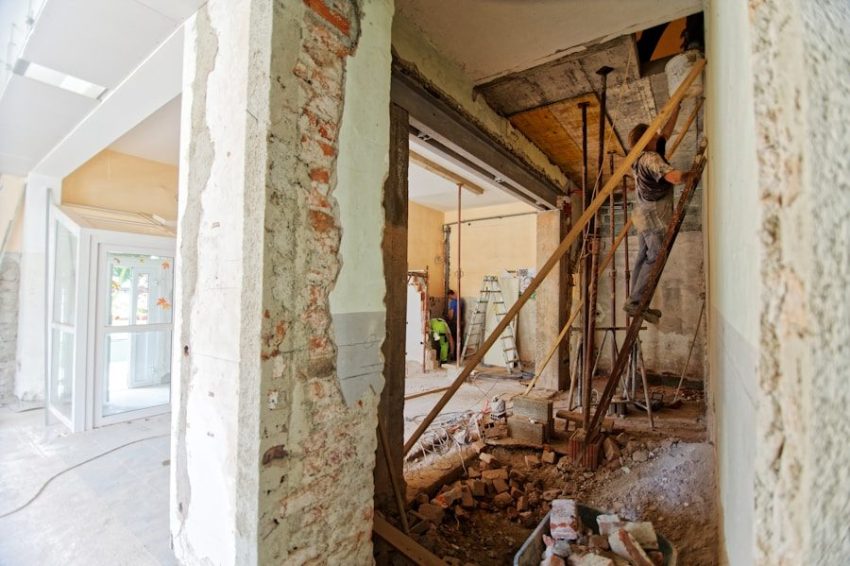
Start With a Whole-House Condition Assessment
Do not build a renovation plan from visible cosmetic problems alone. Begin with the structure, exterior envelope, utilities, and mechanical systems.
A qualified inspection should examine the foundation, framing, roof, exterior drainage, electrical service, plumbing, HVAC equipment, windows, insulation, and signs of moisture intrusion.
Older homes often require work in several systems at once. Replacing kitchen cabinets makes little sense if deteriorated plumbing behind the wall will require demolition later.
Separate Problems by Priority
Divide findings into three categories:
- Immediate safety issues: Unsafe electrical equipment, structural movement, active leaks, combustion hazards, or unstable materials
- Damage-prevention work: Roofing, drainage, waterproofing, plumbing leaks, and exterior repairs
- Planned improvements: Kitchens, bathrooms, flooring, paint, cabinetry, lighting, and decorative updates
This ranking keeps cosmetic projects from consuming funds needed to stabilize the property.
Calculate the True Renovation Cost
Contractor estimates are only part of the cost of restoring an old house.
Include design fees, engineering, permits, demolition, material disposal, temporary accommodations, storage, inspections, and contingency funds. If walls or floors must be opened, additional deterioration may become visible after construction starts.
Compare the projected renovation cost with the home’s expected value after the work is complete. Also consider how long you plan to stay.
If repairs exceed your available budget or the project no longer makes financial sense, selling the property as-is may be worth evaluating. Colorado homeowners, for example, can compare a traditional renovation-and-listing strategy with an as-is option such as Joe Homebuyer Colorado, which states that it purchases homes without requiring owners to complete repairs first.
Fix Water and Structural Problems First
Water can destroy expensive renovation work quickly. Roof leaks, damaged flashing, poor grading, failed gutters, plumbing leaks, and foundation moisture should therefore move toward the top of the project schedule.
Structural issues should also be resolved before finishes are installed. Cracked or undersized framing, foundation movement, deteriorated supports, and damaged floor systems can affect walls, flooring, windows, and cabinetry.
Complete stabilization work before investing heavily in interior appearance.
Modernize Electrical, Plumbing, and HVAC Systems
Older building systems can determine whether a house is practical to keep.
Electrical systems may need additional capacity for modern appliances, HVAC equipment, kitchens, workshops, or home offices. Plumbing systems should be evaluated for material condition, pressure, drainage performance, and evidence of previous leaks.
Heating and cooling equipment should be assessed alongside insulation and air sealing. Installing new HVAC equipment without addressing major envelope problems can produce an inefficient result.
Old House to New Home similarly recommends addressing core systems before visual upgrades when renovating older properties.
Renovate in the Correct Sequence
Large renovation projects become more expensive when trades have to remove newly completed work.
A practical sequence is:
- Stop active water intrusion
- Complete structural repairs
- Upgrade major electrical and plumbing systems
- Complete HVAC and ventilation work
- Improve insulation and air sealing
- Repair drywall and interior surfaces
- Install flooring and cabinetry
- Paint and complete decorative work
Exact sequencing varies by project, but hidden infrastructure should generally be completed before finished surfaces.
Decide What Is Worth Preserving
An old house does not need to become a new house internally.
Original hardwood flooring, masonry, wood trim, built-ins, doors, hardware, and other architectural features may be worth restoring when they remain structurally sound.
Preservation should still be practical. Repair costs, material condition, energy performance, and maintenance requirements need to be considered.
The strongest renovations often preserve high-quality original features while modernizing the systems responsible for safety, reliability, and comfort. That balance is consistent with Old House to New Home’s approach to updating older homes without removing their character.
Know When to Stop Renovating
Scope creep is particularly dangerous in old houses.
Opening one wall can expose another issue, and it becomes easy to expand a focused repair into an entire floor renovation. Establish a written scope before work begins and require pricing for significant changes.
Ask three questions before approving additional work: Is it necessary for safety? Will delaying it damage completed work? Is it substantially cheaper to complete while the area is already open?
If the answer to all three is no, consider moving the project to a later phase.
Prepare Carefully if You Decide to Sell
If renovation no longer makes sense, decide how much preparation the home actually needs before entering the market.
A traditional sale may justify cleanup, minor repairs, landscaping, and basic presentation improvements. If you are marketing the property yourself or need visible neighborhood advertising, a simple outdoor sign can provide property information and contact details.
Avoid completing expensive renovations purely because you assume every buyer expects a finished property. Compare estimated project cost with the realistic increase in sale value before approving major work.
Turn an Overwhelming House Into a Decision
When an old house needs too much work, the answer is not automatically to renovate or sell. The right decision comes from understanding the complete condition of the building.
Inspect the property, stabilize critical systems, calculate the real cost, and separate essential work from optional improvements. Preserve valuable character where practical, but do not allow emotional attachment to override structural or financial realities.
A disciplined assessment gives you three clear options: complete the essential repairs, renovate in controlled phases, or sell before the house consumes more time and money than it is worth.