
Most yards begin with a simple plan, then slowly change as family needs shift. A grill shows up one summer, then lights, chairs, and planters follow. After a while, the space starts to feel patched together instead of calm, useful, and easy to enjoy.
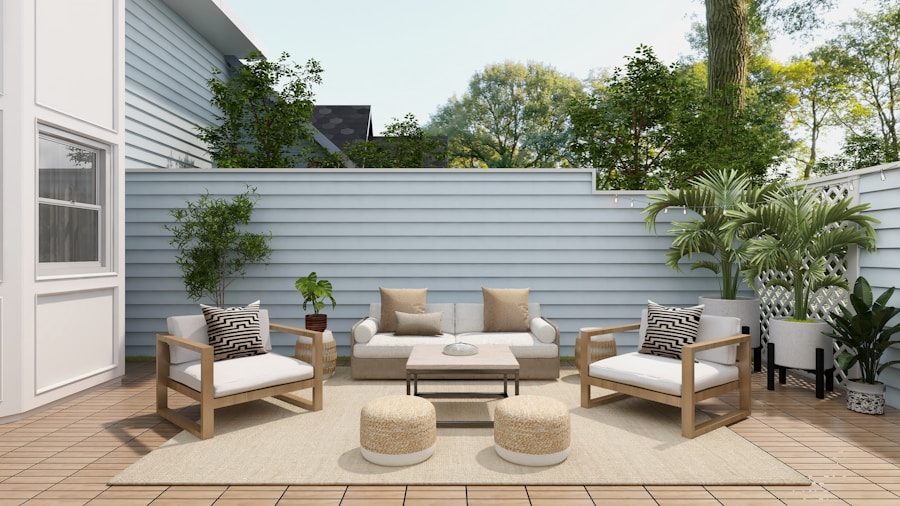
A better result starts before any work begins, while ideas still feel flexible and easy to sort through. Looking at finished spaces on luxterraoutdoors.com helps you picture how layout, surfaces, and features work together. It also gives a clearer view of what makes an outdoor space feel finished rather than pieced together over time.
Start With How Your Family Uses The Space
A good remodel begins with real life, not with shopping or trend lists. Your yard should support meals, quiet time, play, and visits with friends. Once you focus on daily use first, later decisions feel easier and far more consistent.
Many outdoor projects drift off course because people buy features before they study the space. A fire pit, dining set, or built in grill may look great on its own. Still, the setup feels off when doors swing into chairs or people keep squeezing through tight paths.
It helps to think about movement first. Consider where food comes out, where people sit, and where children tend to play. Those simple patterns give the whole project a stronger base and help the yard feel connected to the house.
Breaking the yard into simple zones also makes planning much easier. One area may suit dining, another may fit lounging, and another may stay open for games. Many budget backyard makeover ideas work well because they follow this same idea of giving every area a clear purpose.
Comfort should guide the layout from the start as well. Morning light may suit a small coffee corner, while harsh afternoon sun may push seating closer to the house. Wind also shapes comfort more than many people expect, so even a small shift in placement often improves the whole space.
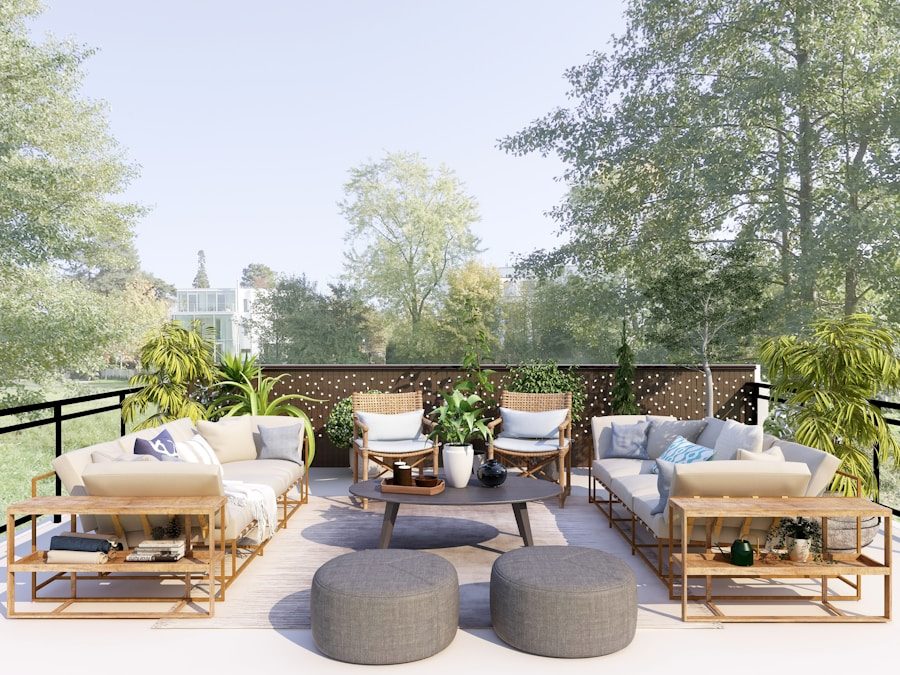
Pick Materials With Weather And Safety In Mind
Surface choices affect more than style. They shape comfort, cleanup, traction, and long term upkeep. A nice looking surface loses its appeal fast if it stains easily, stays slick after rain, or needs more care than your routine allows.
Drainage deserves close attention before the first section gets installed. Water problems often appear only after the project looks complete, and by then, repairs become harder and more expensive. The EPA explains how permeable pavement helps rain soak into the ground and reduces runoff, which supports cleaner and drier outdoor spaces.
Older homes often need extra planning in this area because slopes, worn paths, and foundation lines affect how water moves. A remodel should guide water away from the house and keep walking areas safer after storms. Solving those issues early protects both the outdoor space and the parts of the home closest to it.
Each material also brings its own strengths, so the best choice depends on your weather, budget, and daily use. It helps to compare options side by side before locking anything in.
- Concrete pavers hold up well and suit busy family spaces
- Natural stone adds texture and a more settled feel
- Brick works nicely with older homes and warmer finishes
- Wood feels softer underfoot but often needs more upkeep
Safety also deserves a place in early planning, especially near cooking areas. Heat, smoke, and foot traffic need room to move without creating stress. The NFPA advises keeping grills away from homes, railings, and low branches, so placement should be part of the design process from the beginning.
Plan Cooking, Seating, And Storage Together
Outdoor cooking works best when prep space, serving space, and seating feel connected. A grill in one corner may seem fine at first glance, but dinner feels awkward once everyone starts moving through the same narrow path. When those parts work together, the whole yard feels calmer and easier to use.
A smart layout keeps people from crossing through hot or crowded areas. It also helps food move from prep to table without extra steps or small daily frustrations. This is one of those details people notice most after the remodel is done, because smooth movement makes the space feel natural.
A few planning points make a big difference here.
- Leave enough walking room around hot surfaces and tables
- Keep prep space close to the main cooking area
- Avoid placing busy zones beside doors or narrow corners
- Give seated guests enough room to move in and out easily
Storage should be part of the plan early, not something added later once clutter builds up. Tools, cushions, serving trays, and outdoor toys need a home close to where people use them. Built in benches, weather rated cabinets, and deck boxes help the space stay tidy without making daily life harder.
Furniture scale also shapes how comfortable the yard feels. Large pieces crowd a small patio quickly, while tiny chairs may look lost on a wide surface. If you want ideas for softening a finished space without changing the whole setup, these patio update ideas fit naturally with new surfaces and outdoor seating plans.
Make The Space Feel Right For Your Home
An outdoor remodel should feel connected to the house instead of looking like a separate project. The best spaces feel settled, balanced, and easy to live with over time. A good design does not need flashy features to feel complete, because the right mix of shape, color, and texture already does a lot.
Style works best when it reflects the home’s age and character. Clean pavers may suit one house, while brick borders or warmer stone feel better beside older siding and trim. When those choices line up, the yard feels more natural and less like a trend copied from somewhere else.
Color also plays a quiet but important role. Warm neutrals tend to stay easy to live with and leave room for seasonal updates through pillows, planters, and small accents. Very bold finishes may feel exciting at first, though they often lose their appeal once styles shift.
Texture gives the yard more depth without making it feel busy. Smooth concrete beside stained wood, or matte stone beside softer planting beds, creates enough contrast to keep the space interesting. Small changes like these help the finished yard feel layered and complete without adding visual clutter.
Lighting should follow real use first, then mood. Paths, steps, and cooking areas need clear light, while seating areas benefit from a softer glow. When lighting serves both safety and comfort, the yard feels useful on ordinary evenings, not only during special gatherings.
Think About Upkeep Before The Work Begins
A beautiful yard should still feel manageable after the project ends. If cleaning, sealing, and storing outdoor items take too much effort, people stop enjoying the space. Good planning keeps upkeep realistic, which helps the yard stay inviting long after the first season.
Before you choose final materials or planting plans, think about what your week already looks like. Ask yourself how often you will sweep, rinse surfaces, store cushions, trim beds, or handle winter prep. Honest answers usually lead to better choices and fewer regrets later.
Some surfaces need little more than an occasional rinse, while others ask for sealing, weed control, or careful snow removal. Plants deserve the same kind of honest review. Large beds bring softness and color, but many busy families do better with fewer planted areas placed where they frame seating and soften hard edges.
The best remodeling choices show up in small daily moments. A wider path feels better when carrying food outside, and a dry patio helps after heavy rain. When each decision supports real family life, the finished yard stays useful, comfortable, and easy to enjoy for years.