
Kids change the way a house feels and functions over time. A quiet corner can become a study spot or toy area. A room that once felt open can start feeling crowded fast.
That is why a Home remodel for a growing family needs more than extra space. Parents often need rooms that feel safe, easy to clean, and flexible. The best plans support daily life without making the house feel harder to manage.

Start With How Your Family Uses Space
Before planning a bigger room, it helps to look at how your family uses the house now. The busiest areas often show what needs to change first. You may notice a crowded kitchen path, one shared bathroom, or no good place for school bags.
Children also use rooms in different ways as they grow. A toddler needs close supervision and soft flooring. A school age child needs room to play, read, and do homework. A teen often wants more privacy and better sound control.
That is why it helps to write down what feels hard each day. This keeps the plan tied to real life, not random ideas. It also helps you avoid paying for features your family may not use.
Here are a few things worth noting early.
- Which rooms feel crowded every day
- Where bags, shoes, and toys pile up most
- Whether you need shared space, private space, or both
- How long you want the new layout to work well
Storage should also be part of this early review. Families often need more hidden storage than they expect. Benches, baskets, and built in cabinets can reduce visual mess and free up floor space. That same idea works well in family homes that already use kid clutter solutions to keep busy areas under control.
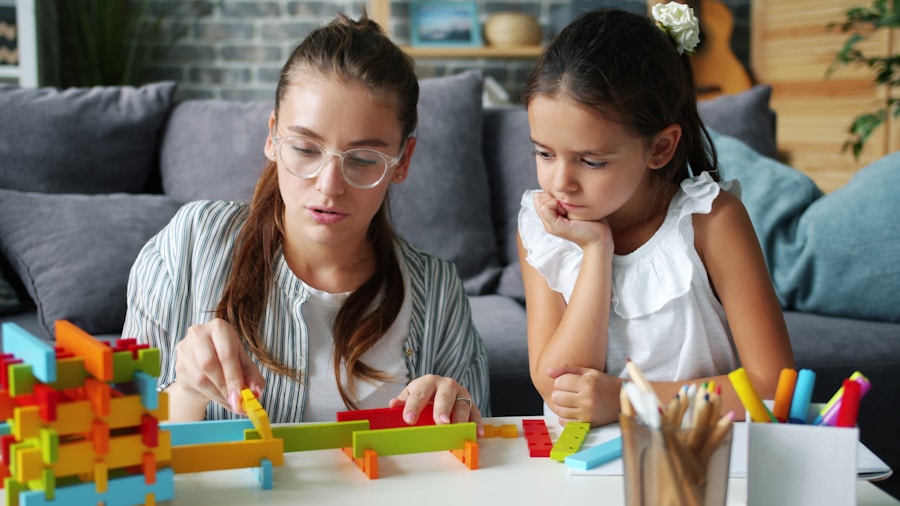
Think Beyond The Basic Floor Plan
Extra square footage helps, but layout choices shape how useful the space feels. A playroom may later become a study room. A nursery may turn into a bedroom for siblings. A new upstairs room may one day work better as guest space.
That is why the room should support change over time. Wall placement, window height, and door swings can affect how the room works later. Built in storage can also make a room feel bigger and easier to use.
Plan For Different Growth Stages
Kids do not stay in one stage for long. What works for a preschooler may feel awkward a few years later. A smart extension gives the room enough flexibility to grow with the family.
It helps to think ahead in simple ways.
- Leave open floor space for changing furniture needs
- Add outlets where desks or reading corners may go
- Use storage that works for toys now and books later
- Think about privacy if children will share the room
Make Better Use Of Vertical Space
Families often focus on floor area first, but wall space can do a lot of work. Shelves, wall storage, and built in reading nooks can keep the floor clearer. That makes the room feel calmer and easier to clean.
Simple ideas like book shelves can help parents keep books and small items off the floor. They also make it easier for children to reach what they use each day. Small design choices like this can improve function without taking up valuable space.
Put Safety Into The Plan Early
Safety should shape the layout from the start. It works better when parents think about it during the design stage. That approach also helps avoid extra fixes later.
Windows need careful thought in second story additions and rooms above decks or garages. The CPSC says window screens do not prevent falls. It recommends window guards or safety devices and window openings of four inches or less in areas used by children.
Parents should also think about stairs, lighting, and storage. Built in cabinets can reduce tip over risks from tall furniture. Good lighting near stairs and study areas can also make daily use feel safer.
A simple safety review often covers the points below.
- Window placement and opening limits
- Stair design and handrail support
- Non slip flooring in busy or wet areas
- Built in storage instead of tall loose furniture
- Clear sight lines from common family spaces
These choices help parents supervise children more easily. They also make the new room feel easier to use every day. Good safety planning supports comfort, order, and peace of mind.
Budget For More Than The Visible Upgrades
Families often budget for the room they can picture. They think about paint, flooring, and furniture first. Yet a large part of the cost sits behind the walls and under the roof.
Structural framing, foundation work, drainage, insulation, and permit drawings can take a large share of the budget. Older homes may also need floor leveling, beam support, or utility changes. Those parts may not show in photos, but they shape the quality of the finished result.
That is why it helps to separate basic needs from extras. A family can stay on track more easily when the budget reflects how the room will function. This also lowers the chance of costly mid project changes.
A useful way to break it down is below.
- Must have items such as structure, permits, insulation, and storage
- Nice extras such as custom trim, designer tile, or decorative lighting
Older homes may also carry health concerns during renovation. The EPA explains that work in pre 1978 homes can create lead dust. That risk is serious for children, especially during active construction. Their lead renovation guidance offers helpful details for families planning work in older houses.
Plan For Daily Life During Construction
A good extension can improve family life for years, but the build itself can disrupt daily routines. Parents still need working bathrooms, meal space, and safe paths through the home. Kids still need quiet time for sleep, schoolwork, and play.
That is why the day to day plan deserves real attention before work starts. Families should know which areas stay usable and which ones will close off. Clear answers can reduce stress and make the process easier to handle.
It helps to ask practical questions early.
- Which bathroom stays open during the work
- Whether the back door or kitchen stays usable
- Where dust barriers will go
- Where children can play safely during work hours
Permit timing also affects the schedule. Projects that change rooflines, structure, or square footage often need review and inspections. Families should expect paperwork, updates, and waiting periods before the new room takes shape.
A well planned extension solves a real space problem and supports family life at the same time. When the design, safety needs, and daily routine all line up, the room feels useful from day one.