
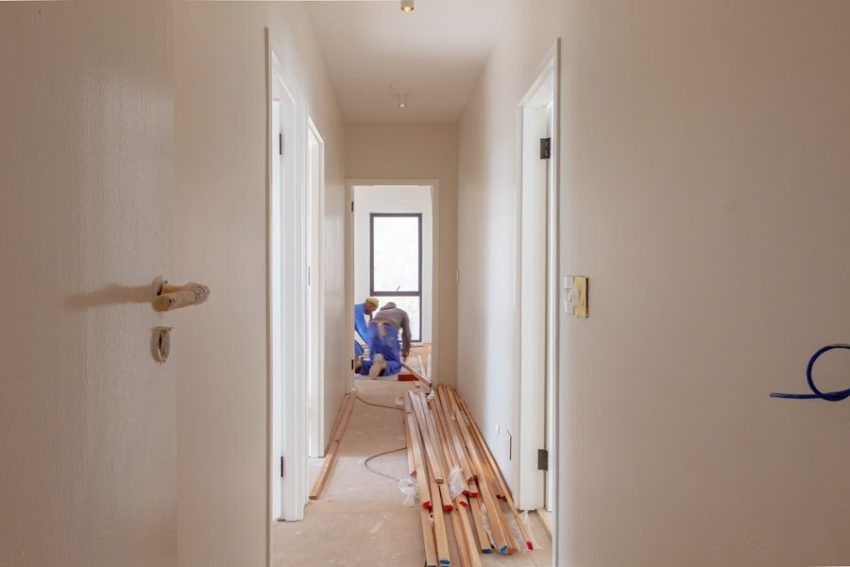
Renovation projects have a way of exposing what a home has been hiding. Once walls come down, flooring is pulled up, and cabinetry is removed, homeowners and contractors often find more than outdated wiring or water stains. They find evidence of pests that may have been active for years without anyone noticing. This kind of discovery can be unsettling, but it’s also an opportunity. A renovation that uncovers pest damage early gives homeowners a chance to address the problem properly before new materials seal it back into the structure.
Why Hidden Damage Surfaces During Remodeling
Most pest activity happens in places people rarely look. Wall cavities, subfloors, insulation layers, and the backs of cabinets are dark, undisturbed, and often humid enough to support insect or rodent activity for extended periods. Termites, for instance, can tunnel through wood framing for years while leaving the painted or papered surface completely intact. Rodents chew through insulation and wiring in spaces that are sealed off from daily foot traffic. Because these areas are rarely inspected unless something goes wrong, damage can accumulate slowly and silently.
When a contractor opens up a wall or lifts old flooring, that concealment disappears. Suddenly there’s visible frass from wood-boring insects, gnawed insulation, rodent droppings, or the telltale mud tubes termites use to travel between soil and wood. In many cases, this is the first real evidence anyone has had that a problem existed at all.
Common Signs Found Behind Walls and Under Floors
Different pests leave different calling cards, and recognizing them correctly matters for figuring out the next step. Some of the most frequent discoveries during renovation include:
- Termite mud tubes running along foundation walls or floor joists
- Wood that sounds hollow or crumbles when pressed, often with visible tunneling
- Rodent nesting material packed into wall cavities or insulation
- Cockroach egg casings and fecal staining in dark, warm corners near plumbing
- Ant trails or satellite colonies nested inside wall voids near moisture sources
Contractors who regularly work on older homes often say these findings aren’t rare. Industry experience across the remodeling trade suggests that a meaningful share of renovation projects in homes over a few decades old turn up some form of past or present pest activity, particularly in areas with damp crawl spaces or older wood construction.
Distinguishing Old Damage From Active Infestation
One of the more difficult judgment calls during a renovation is determining whether the damage found is a relic of a problem long since resolved or a sign of pests still living in the structure. This distinction changes everything about how the project should proceed. Old, dry termite galleries with no live insects present suggest a past infestation that may have already been treated or that simply died out due to changing moisture conditions. Fresh mud tubes, soft frass, or live insects, on the other hand, point to an active colony that needs immediate attention.
This is precisely the kind of assessment where the pest control team’s involvement becomes valuable. A trained inspector can look at the coloring of wood damage, the condition of any tubes or nests, and the presence of living insects to determine whether the activity is current. Guessing wrong in either direction carries real consequences. Treating a home unnecessarily wastes money, while closing up a wall over an active infestation allows the problem to continue unseen, often causing more damage before it’s discovered again.
Documenting Evidence Before Repairs Continue
Once pest damage is found, it’s worth pausing before moving forward with framing, drywall, or finish work. Photographing the affected area, noting its location relative to plumbing lines, exterior walls, or moisture sources, and keeping any physical samples of frass, droppings, or nesting material can be genuinely useful. This documentation supports insurance claims where applicable, gives a pest control provider a clearer picture of the extent of the problem, and creates a record that can be referenced if similar issues appear elsewhere in the home later.
Renovation is also, in a very practical sense, the easiest time to address these issues. Walls that are already open don’t need to be cut into again. Insulation that’s already exposed can be replaced rather than treated around. Waiting until finishes are installed means any follow-up work becomes more invasive and more disruptive to the household.
Correcting the Moisture Problems That Invite Pests
Pest activity rarely exists in isolation from moisture. Termites need consistent dampness to survive, cockroaches gravitate toward humid, poorly ventilated spaces, and many rodent nesting sites form near leaks or condensation points. Renovation offers a chance to correct these underlying conditions rather than just treating the pests themselves.
This might mean improving crawl space ventilation, repairing a slow plumbing leak that’s been feeding a colony for years, adding a vapor barrier, or regrading soil near the foundation so water doesn’t pool against exterior walls. Addressing moisture at its source tends to have a longer-lasting effect than pest treatment alone, since it removes the environmental conditions that made the infestation possible in the first place. Working with the Clear Defense Pest Control team alongside the renovation crew allows both issues, the pests and the moisture that sustains them, to be handled in the same window of opportunity.
Timing Pest Control Work Before Closing Walls
Sequencing matters during a renovation, and pest treatment should generally happen before insulation, drywall, or new flooring goes back in. Once those materials are installed, access becomes limited, and any treatment applied afterward is less thorough by necessity. Coordinating a pest inspection and, if needed, a treatment plan into the renovation timeline avoids this problem entirely. It also gives homeowners peace of mind that new finishes aren’t being installed over an unresolved issue.
Final Analysis
Renovation work has a way of bringing old problems into the light, sometimes literally. Finding evidence of termites, rodents, or other pests behind a wall isn’t necessarily bad news. It’s information, and it arrives at exactly the moment when it’s most actionable. Taking the time to document what’s found, distinguish old damage from ongoing activity, and correct the moisture conditions that allowed the problem to develop can turn a stressful discovery into a straightforward fix, one that leaves the finished space in better condition than it would have been otherwise.