
I have been going to Dana’s house for eleven years. I know where the coffee mugs live. I know which drawer sticks.
So when I visited last month, about six weeks after her mother moved in, I noticed everything. Not because anything looked wrong, but because a house I knew by heart had quietly rearranged itself. Some of it was obvious. Most of it was not.
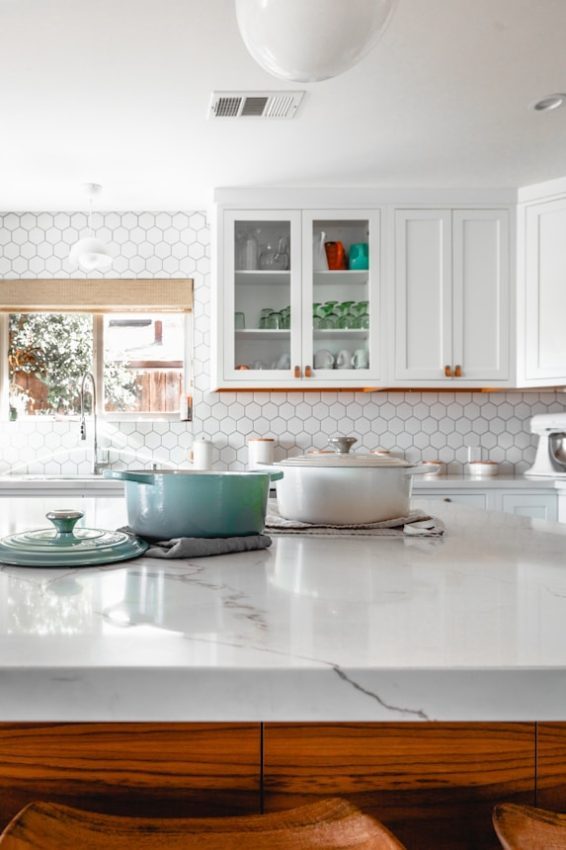
Here is what I saw, room by room, and what I have been thinking about since.
The Front Door
The doormat was gone.
That was the first thing. Dana had a thick coir mat by the front door for as long as I have known her, and now there was bare tile. When I asked, she said her mom caught a toe on the edge of it the second week.
Then I started seeing the rest. The little step down into the living room had a strip of contrast tape along the edge. The console table by the door had been pushed back six inches to widen the path.
None of it looked like a renovation. All of it was deliberate.
I understood why after I looked up the numbers. The CDC reports that one in four adults aged 65 and older falls each year, more than 14 million people, and about 37% of those who fall report an injury that required medical attention or limited their activity.
Dana had not read a statistic. She had watched her mother stumble once and quietly redesigned the entrance.
This is also not a rare situation, which surprised me. AARP’s Home and Community Preferences research found that 77% of adults aged 50 and older want to remain in their homes long term, and that 52% of all adults live in a multigenerational household. Dana thought she was doing something unusual. She was doing what half the country is doing.
The Bathroom, and the Senior Care Services in Windermere Conversation
The bathroom was the biggest change, and the one Dana had agonized over most.
There was a grab bar by the toilet and another in the shower. A shower chair. A bath mat with actual grip instead of the pretty cotton one she used to have. She told me she had put off installing the grab bars for a month because she thought her mother would find them insulting.
Her mother’s reaction, apparently, was to ask why they had not done it sooner.
What struck me more was what Dana said next. She had reached the point of looking into outside help, and she had been calling around about in-home support from Senior Helpers, whose Windermere team covers her area, mostly for a few hours a week so she could keep her job without feeling like she was failing at both things.
She had not decided anything yet. But she said saying it out loud to a professional made it feel less like giving up, which I thought was a very honest thing to admit.
The Kitchen
Small things. The everyday plates had moved from the high cabinet to the counter-level one. There was a step stool that had disappeared entirely.
Dana had also bought a kettle that shuts off automatically, replacing the stovetop one she loved. She mentioned this a little mournfully. I have thought about that detail a lot since, because it is the kind of trade nobody warns you about. You give up small pleasures in your own home so someone else can be safe in it.
The lighting had changed too. Brighter bulbs over the sink and stove, and a little plug-in light in the hallway that runs all night.
The Living Room, Where the Real Change Was
Here is the part that had nothing to do with the house.
Dana looked tired in a way I have not seen before. Not dramatic, and not something she complained about once. Just a low, constant tiredness underneath everything, the kind you get from a job that does not have an end time or a day off.
That is apparently the norm rather than the exception. An AARP workforce report found that nearly 70% of family caregivers report difficulty balancing their career with caregiving responsibilities.
She had rearranged her furniture, her kitchen, and her bathroom, and she had done all of it thoughtfully. Nobody had rearranged her schedule. That is the modification everyone forgets, and it is the one that actually determines whether an arrangement like this lasts a year or a decade.
The Guest Room That Is Not a Guest Room Anymore
Her mother’s room is the old guest room, and Dana did it beautifully. Her mother’s own quilt. Her own photos on the wall. Her chair from the old house, the ugly one nobody was allowed to throw out.
That last part mattered more than any safety feature. It is the difference between a room someone stays in and a room someone lives in.
This is a shift happening at national scale, not just in Dana’s house. The Census Bureau reported in 2025 that older adults now outnumber children in 11 states and nearly half of all US counties. A lot of guest rooms are quietly becoming bedrooms.
What I Took Away
The changes that worked best at Dana’s were the ones you would not photograph. No dramatic renovation. A removed rug, a brighter bulb, plates moved down one shelf, tape on a step.
The changes that mattered most were not physical at all. They were Dana admitting she needed help before she was in crisis, and her mother being far more willing to accept adaptations than anyone expected.
If someone is moving into your home, walk the house before they arrive. Look at the floors, the thresholds, the lighting, and the height of everything you use daily.
Then look at your own calendar with the same honesty, because that is the room most people never think to modify.