
Making caramel at home can sound like something best left to pastry chefs. You’re melting sugar until it’s bubbling hot, watching for exactly the right shade of amber, and trying not to cross the very thin line between beautifully caramelized and unmistakably burnt.
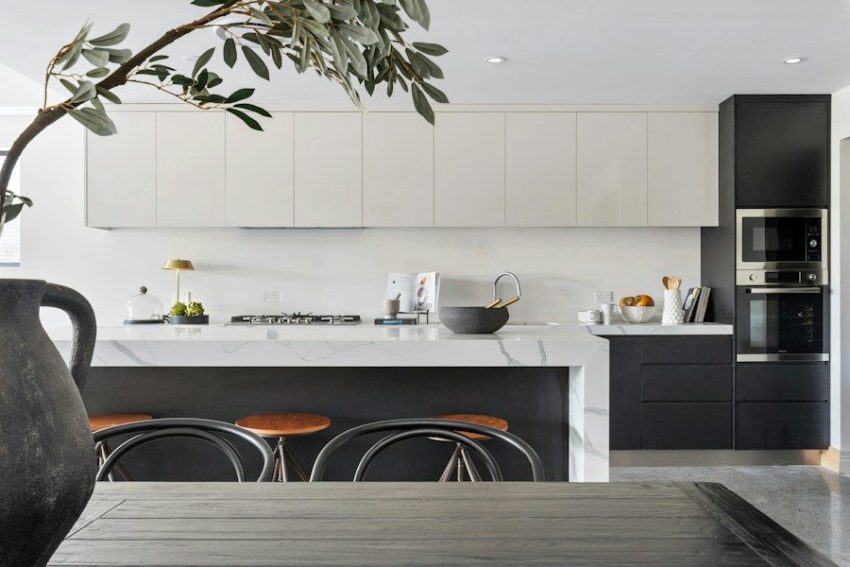
Fortunately, homemade caramel becomes much more approachable when your kitchen is properly equipped. A few reliable pieces of non toxic bakeware can give you better control over the process, whether you’re making caramel sauce for ice cream or preparing a batch for your favorite dessert.
Start With a Heavy-Bottomed Saucepan
Your saucepan does most of the heavy lifting, so choose wisely. A heavy-bottomed saucepan distributes heat more evenly, helping prevent individual areas of sugar from heating faster and burning.
Stainless steel is particularly convenient because its light-colored surface lets you watch the sugar change from clear to pale gold to deep amber. That visual feedback matters when a few extra seconds can make a noticeable difference.
Think Beyond the Saucepan
Caramel rarely stops at the saucepan. You may be drizzling it over brownies, adding it to a caramel cake, or making caramel-filled cookies. If you’re upgrading your caramel-making supplies, it’s also a good opportunity to consider high-quality bakeware for the desserts that come next.
Quality baking sheets, cake pans, and baking dishes made from durable materials can become everyday kitchen workhorses. Look for options that tolerate high temperatures and clean up easily after those inevitably sticky caramel projects.
Do You Need a Nonstick Pan for Caramel?
Despite caramel’s reputation for sticking to everything, you don’t necessarily need a nonstick saucepan. Stainless steel is often easier for caramel making because you can clearly monitor the sugar’s color.
And don’t panic when hardened caramel coats your pan afterward. Hot water will gradually dissolve the sugar, making cleanup far easier than the mess initially suggests.
A Heat-Resistant Spatula or Wooden Spoon Is Essential
Caramel gets extremely hot, so it’s a good time to avoid using your everyday plastic spoon. Reach for a heat-resistant silicone spatula or sturdy wooden spoon instead.
Depending on your recipe, you may also need to resist the temptation to stir. Some caramel methods call for minimal agitation because excessive stirring can encourage sugar crystals to form.
A Candy Thermometer Takes Out the Guesswork
Caramel is all about timing, and unfortunately, sugar doesn’t send you a notification when it’s ready. Experienced cooks may be comfortable judging caramel by its color and aroma, but a candy thermometer can make the process much easier for beginners.
Choose a clip-on candy thermometer or a reliable digital thermometer designed to handle high temperatures. Watching the numbers alongside the caramel’s changing color can help you better understand what’s happening in the pan. Eventually, you may become confident enough to rely mostly on your eyes.
Keep a Heat-Safe Bowl or Measuring Cup Nearby
Once your sugar reaches the right stage, things happen quickly. That’s not the moment to discover your cream is still buried somewhere in the back of the refrigerator.
Measure your butter, cream, vanilla, and other additions before turning on the stove. Keep them nearby in heat-safe glass or metal containers so they’re ready when needed. Remember that adding ingredients like cream to hot caramel can create plenty of bubbling and steam, so work carefully and follow your recipe’s instructions.
Choose a Pan That’s Bigger Than You Think You Need
That little pool of melting sugar might look innocent enough, but caramel can dramatically increase in volume when you add cream or butter. A saucepan that’s barely large enough at the beginning can quickly become an overflowing problem.
Give yourself more room than you think you’ll need. A larger saucepan provides plenty of headspace for bubbling while making it easier to stir ingredients without splashing dangerously hot caramel over the sides.
Set Yourself Up Before You Turn On the Stove
Caramel rewards preparation. Measure your ingredients, arrange your utensils, set out your thermometer, and clear unnecessary clutter from your workspace before applying any heat.
This isn’t just about convenience. Melted sugar reaches extremely high temperatures and can cause serious burns. Keep children and pets away from your cooking area, avoid distractions, and handle hot caramel carefully from beginning to end.
The Right Cookware Makes Caramel Much Less Intimidating
You don’t need a professional pastry kitchen to make delicious caramel at home. A heavy-bottomed saucepan, heat-resistant utensil, pastry brush, thermometer, and a few heat-safe containers will cover most recipes.
Once your equipment is ready, the process becomes much less intimidating. Prepare everything before you start, keep your attention on the pan, and don’t be discouraged if your first batch isn’t perfect. Before long, you might find yourself looking for excuses to drizzle homemade caramel over just about everything.