
Modern home firefighting tools are powerful, and their lightning-fast actions effectively eliminate fire threats. Unfortunately, the high performance of some home fire fighting equipment like foams comes at an equally high price: some are detrimental to living beings and the environment.
This guide will explore different home firefighting equipment, including firefighting foams, their environmental impact, and Aqueous Film-Forming Foam (AFFF) use cases.
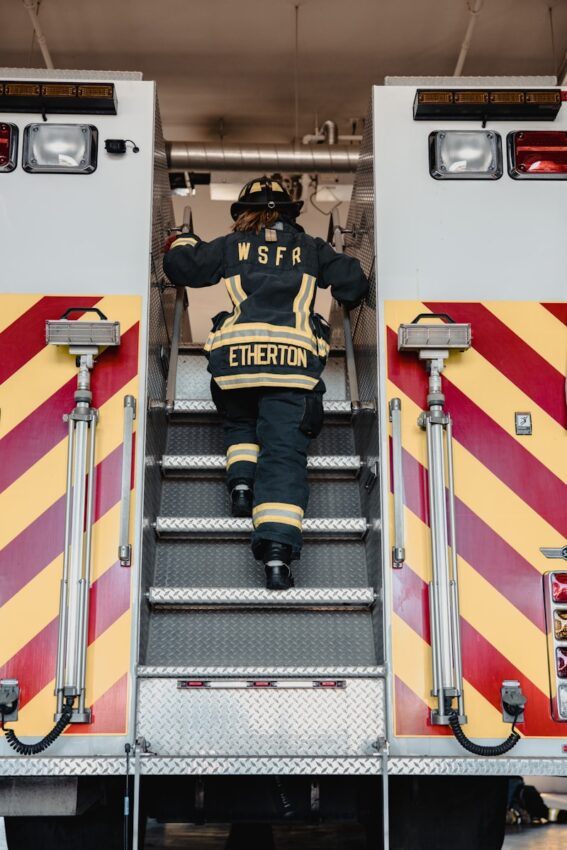
Firefighting Foams 101
Imagine a defensive tactic where water takes the offensive and uses its protective umbrella to smother oxygen, fire’s lifeline. That is the idea behind firefighting foams; they combine water and surfactants to cut off the fire’s air supply and extinguish flames.
Moreover, these specialty foams can effectively extinguish fires involving flammable liquids like gasoline, oil, or solvents. They have proven particularly successful at combating Class B fires.
Protein, synthetic, and the popular Aqueous Film Forming Foam (AFFF) are the primary types of firefighting foams. The kind of fire and the particular needs of the situation determine which foam is best.
Let’s focus a bit more on AFFFs:
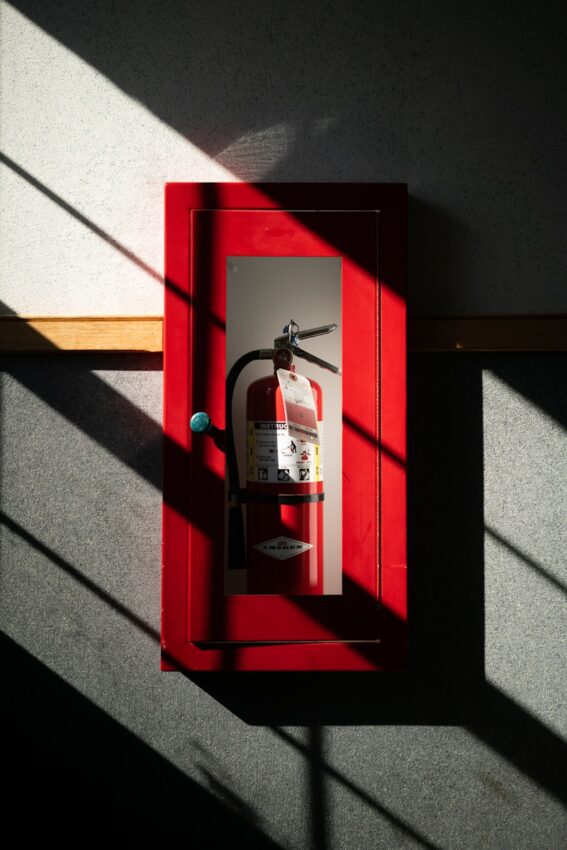
Aqueous Film Forming Foam (AFFF)
Aqueous Film Forming Foam (AFFF) is a type of firefighting foam used to extinguish fires caused by flammable liquids. Their high efficiency at stopping flammable liquid fires has led to their widespread use by military and firefighting departments.
However, because of its high PFAS level, the usage of AFFF has come under fire. PFAS are “forever chemicals,” a group of human-made chemicals known to cause cancer and other ailments in living beings because instead of degrading over time, they build up.
In a lapse of responsibility, the Department of Defense failed to inform people about the grave risks of PFAS exposure, thus risking their well-being.
Fortunately, communities, more so military firefighters suffering from hazardous AFFF exposure, are fighting against their usage. That has put manufacturers and the U.S. government in the hot seat, with numerous ongoing lawsuits seeking legal help for PFAS contamination victims.
As legally fraught battles attest, the heat is on to find better options and clamp down on the reckless use of PFAS-based firefighting foams.
The Environmental Impact of Firefighting Foams
While firefighting foams are essential for effective fire suppression, their environmental impact is impossible to overlook.
As intimated earlier, foams containing per- and poly-fluoroalkyl substances (PFAS) are particularly concerning. The gradual accumulation of pollutants in these foams can culminate in adverse health consequences, such as cancer, liver damage, and hormonal imbalance.
Using these foams in old houses is particularly risky because these pollutants can seep into the soil and contaminate the water when used in or around it. When unnoticed, this puts human lives and the environment at risk. Whether we like it or not, properly disposing of these foams is the only way to reduce their damaging effects.
The Importance of Medical and Legal Help for PFAS Contamination Victims
If you have been affected by PFAS contamination, especially AFFF, seek immediate medical and legal help. Getting reliable legal guidance as soon as possible can give you a fighting chance to address the problem and its consequences.
Experienced doctors who have dealt with such cases can help safeguard your health, while lawyers dealing with similar cases can provide immediate legal guidance and help you seek justice.
Making informed choices requires homeowners to have all the information they need about the different kinds of firefighting equipment available and their possible effects on them and the environment.
Wrap Up
Staying informed about fire safety is the first step to choosing alternative firefighting equipment that is safer for people and kinder to the environment.
Homeowners who understand the risks of PFAS contamination and know their legal options can spring into action and protect their families and the environment from the silent threat lurking in their backyards.