
Roofs handle a lot—blocking out the rain, keeping heat inside, and standing up to the elements season after season. In fact, according to Allied Market Research, the global market size of the roofing industry is expected to reach $156 billion by 2030.
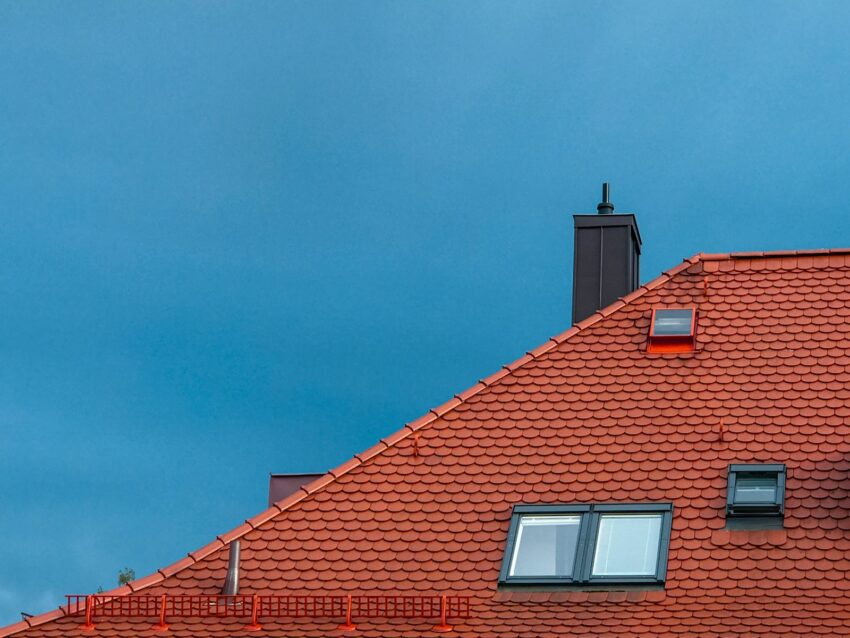
But one detail often gets skipped until it’s needed: roof access. Getting up there safely and efficiently matters more than most realize, and that’s where roof hatches come into play.
From simple seasonal checks to full-on maintenance, a well-placed roof hatch makes rooftop tasks less of a chore and more of a routine step in taking care of any space.
What Are Roof Hatches?
Roof hatches are built-in openings that provide safe, easy access to the rooftop.
Think of them as compact doors installed on flat or low-slope roofs. They are typically made from metal and designed to keep out weather, drafts, and water. Most swing open (usually upward) and close securely to protect what’s underneath.
In homes, a roof hatch might lead from an attic or utility space to the outside. In commercial buildings, maintenance crews often use it to reach equipment like HVAC units or solar panels. Some are sized just right for a ladder climb, while others are large enough to walk upstairs with tools in hand.
And when chosen well, they make roof access safer, faster, and less hassle-free.
Benefits of Using Roof Hatches for Any Space
Whether it’s a home, a rental property, or a commercial building, having a dedicated way to access the roof comes with more perks than expected.
Here are some of the top benefits of a roof hatch:
- Safe Access for Maintenance: No more hauling ladders around or climbing up the side of the building. Roof hatches offer a safer, more stable way to get on the roof when needed.
- Better Protection Against Weather: Designed with seals and insulation, most roof hatches help keep out rain, snow, and drafts—unlike makeshift openings or vents.
- Improved Energy Efficiency: Insulated roof hatches help lessen heat loss during winter and moderate heat gain during summer, which can help lower utility bills.
- Faster Emergency Response: When leaks, damage, or other rooftop issues occur, having a hatch means quicker access and fixes.
- Increased Value and Functionality: A well-placed roof hatch can increase a property’s functionality, benefit resale value, or provide daily convenience.
What To Look for When Choosing Roof Hatches for Residential and Commercial Roofing
Not all roof hatches are built the same, and the best one depends on the space they’re going into. A small home doesn’t need the same hatch type as a busy commercial building.
Check out these factors when choosing a roof hatch:
-
Hatch Size
The size of the roof hatch should match its purpose.
A compact hatch might be enough for occasional roof checks or gutter cleaning in a home. However, a larger opening makes more sense for commercial buildings, where tools or equipment may need to be carried through.
It’s also worth thinking about how someone will get up there. Will it connect to a pull-down ladder? A stairwell? Matching the hatch size with the access method helps avoid tight squeezes or safety issues.
-
Weather Protection
Roof hatches sit directly under the sun, rain, and snow—so weather protection is non-negotiable. Look for hatches made from durable materials like galvanized steel or aluminum that can handle harsh conditions without rusting or warping.
Insulation matters, too. A well-insulated hatch helps maintain indoor temperatures and prevent energy loss. This is especially helpful in colder areas where heat can escape through poorly sealed access points.
-
Safety Features
A roof hatch should keep people safe in homes and commercial buildings. Non-slip covers, easy-to-grip handles, and secure locks make a big difference.
In busier buildings, especially those with flat roofs, a lockable hatch prevents unauthorized roof access, adding an extra layer of protection. For homes, it offers peace of mind that the space is sealed and secure.
-
Smart Roof Placement
While function comes first, appearance still matters—especially in residential settings. Low-profile roof hatches or ones with paintable surfaces blend better with existing roofing, keeping the space clean and consistent.
Placement also plays a role. Choosing a spot that’s easy to reach from the inside (like an attic or hallway) makes regular roof access far more manageable and avoids extra hassle during maintenance or repairs.
Creative Rooftop Ideas
There’s room to dream a little bigger once there’s easy access to the roof. Here are six creative ideas to take a rooftop from purely functional to something special:
- Rooftop Garden: Turn the roof into a garden by adding raised beds or containers filled with flowers, herbs, or vegetables. Not only does it provide a beautiful green space, but it can also help reduce heat absorption, improve air quality, and even provide fresh produce.
- Private Outdoor Lounge: Create a cozy retreat by adding comfortable furniture, a pergola for shade, and string lights for ambiance. This rooftop space can be an ideal spot to unwind, entertain friends, or enjoy a quiet moment with a good book.
- Solar Panel Setup: Install solar panels on the roof to harness the sun’s energy and reduce reliance on traditional electricity. Many property owners turn to providers like Suntrek Solar for guidance on system design and installation that fits their specific roofing setup. It’s a smart investment that can lower utility bills, increase energy efficiency, and even earn rebates or tax credits in many regions.
- Mini Greenhouse: A rooftop greenhouse offers the chance to grow plants all year, regardless of the season. The controlled environment makes it perfect for growing everything from herbs to tropical plants, even in cooler climates.
- Play Space for Kids: The roof can be converted into a secure outdoor play area with soft flooring and safety rails for children. Add fun features like a sandbox or a chalkboard wall, and it becomes a space where kids can play safely while enjoying fresh air.
- Outdoor Workspace: For those needing a peaceful workplace, a rooftop can become a quiet outdoor office. Set up a table, add comfortable seating, and enjoy the serenity of working outdoors with natural light and fresh air.
Conclusion
Picking the right roof hatch is more than just choosing a way to access the roof—it’s about making life easier, safer, and more efficient. Whether for routine maintenance, better energy savings, or just having easy access when needed, a good roof hatch brings value to any space.
With the right hatch, rooftops can become much more than just a place for shingles. From growing a garden to setting up solar panels, the right hatch can unlock a whole new world above