
There’s something genuinely exciting about a basement renovation.
One day, it’s a cold, forgotten storage zone full of boxes, paint cans, and things you haven’t thought about in years. Then, with the right plan, it becomes a family room, guest suite, home office, gym, playroom, or even a rental space that pays for itself.
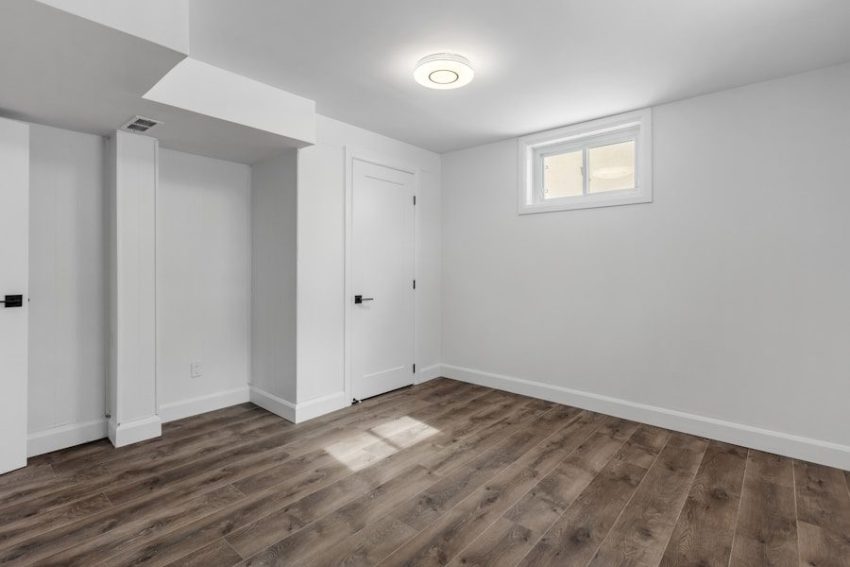
That potential is real. But basement projects come with a few traps that are easy to miss until you’re already in the middle of things. Unlike repainting a living room or updating a bedroom, basements have their own set of challenges. Moisture, ceiling height, lighting, insulation, drainage, permits, ventilation, all of it matters. Ignore one piece, and the finished space might look great for a while before problems quietly start showing up.
The good news is that most of these mistakes are completely preventable. You don’t need to know every building detail before you start, but you do need to ask the right questions, slow down where it counts, and resist the urge to jump straight to paint colors before the space is actually ready.
Here’s what tends to go wrong, and how to avoid it.
Starting without a real purpose in mind
One of the most common mistakes is kicking things off with a vague idea like “we just want to finish the basement.” That sounds simple enough, but it tends to lead to expensive changes halfway through when the actual vision starts to take shape.
A finished basement can serve a lot of different purposes. Movie room, guest bedroom, workout space, home office, bar, playroom, in-law suite, the options are real, and each one affects the design in specific ways. A guest suite needs a bathroom and an egress window. A home office needs quiet, good lighting, and plenty of outlets. A family room needs durable flooring and a layout that can handle traffic.
Before any work begins, get clear on how the space will actually be used. The plan doesn’t have to be perfect, and it will probably evolve. But there needs to be a direction.
Ask yourself who will use the space most. Will kids be running around in it? Will guests sleep there? Do you need privacy for work calls? Does storage still need to exist somewhere? Those answers will shape every decision that follows.
Underestimating moisture, which almost always comes back to bite you
Moisture is the issue that derails more basement renovations than anything else. It’s also the easiest one to underestimate.
A lot of homeowners see a dry basement on most days and assume everything is fine. But basements sit below ground, where water pressure, humidity, foundation cracks, poor grading, and drainage problems can all quietly do damage. Even minor moisture issues can eventually lead to mold, persistent odors, damaged flooring, and ruined drywall.
Before framing a single wall or laying any flooring, take a careful look at the space. Check for water stains, musty smells, peeling paint, efflorescence on concrete, damp corners, and any signs of previous leaks. Look at your gutters, downspouts, exterior grading, sump pump, and foundation while you’re at it.
This is where a lot of homeowners want to skip ahead to flooring samples and cabinet finishes, which is understandable, but it’s the wrong order of operations. Experienced basement remodeling contractors typically start by addressing moisture control, drainage, insulation, and code requirements before anyone even considers visible finishes.
It’s not the glamorous part of the project. But it’s almost certainly the part that saves the most money later.
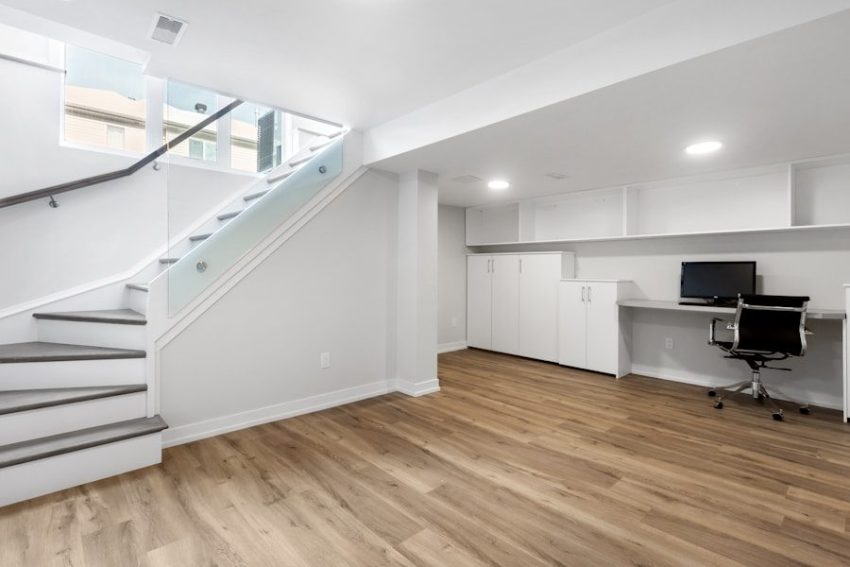
Picking the wrong flooring
Basement flooring has to handle things that upstairs flooring rarely faces. Temperature swings, humidity, concrete slabs, and the possibility of moisture all need to be factored into the decision.
Hardwood might look beautiful, but it’s generally not a great choice below grade. It can expand, contract, cup, or warp if moisture ever becomes a problem. Carpet can feel warm and comfortable, but it holds onto moisture and odors if the basement isn’t properly protected.
Better options usually include luxury vinyl plank, tile, engineered flooring rated for below-grade use, sealed concrete, or moisture-resistant carpet systems. The right choice depends on what the space is actually for.
A playroom needs something soft and durable. A home gym needs rubber flooring. A guest suite calls for warmth. A rental unit needs something easy to clean and hard to damage.
The mistake is choosing flooring based only on how it looks. In a basement, performance matters just as much as style.
Treating lighting as an afterthought
Basements can feel dark even after a full renovation. Small windows, low ceilings, and limited natural light make thoughtful lighting design more important here than almost anywhere else in the house.
One overhead fixture in the middle of the room isn’t going to cut it. It creates shadows and makes the space feel flat. A better approach layers different types of light: recessed lights, wall sconces, floor lamps, under-cabinet lighting, and accent lighting can all work together to create warmth and depth.
The goal isn’t just brightness. It’s comfort.
Lighting should match what each area is used for. A media room benefits from dimmable lights. A craft area needs strong task lighting. A home office needs balanced light that doesn’t strain your eyes after a few hours. A stairwell needs safety lighting.
Homeowners who treat lighting as a last-minute decision often wonder why the finished basement still feels like a basement. Good lighting can genuinely transform the mood of the space.
Not planning for storage
Before renovation, the basement was probably where everything lived. Holiday decorations, tools, old furniture, sports gear, extra pantry items, childhood keepsakes. Then the renovation happens, and all of that suddenly has nowhere to go.
A common mistake is designing the new basement as if none of that stuff still exists. The space looks great on day one, and then clutter slowly creeps back in because there was never a plan for it.
Storage needs to be part of the design from the beginning. Built-in cabinets, under-stair storage, closets, shelving, hidden utility zones, and a well-organized mechanical room can keep the basement functional without sacrificing the way it looks.
A beautiful basement still has to work for real life. That means making room for the things you actually own.
Ignoring ceiling height and layout constraints
Basement ceilings are rarely straightforward. Ductwork, pipes, beams, vents, and low clearances can limit what’s possible in ways that aren’t always obvious until you’re deep into planning. Homeowners who finalize a layout before understanding these constraints often end up with awkward soffits, cramped rooms, or nonsensical walking paths.
Ceiling height affects more than just how the space looks. It can affect code compliance, resale value, lighting placement, and general comfort.
Before locking in a layout, map out the mechanical systems and identify where the ceiling drops. Some things can be moved, but not always easily or cheaply. In other cases, good design can work around the limitations.
A lower section might become a storage nook. A beam might define the edge of a seating area. A soffit can look intentional rather than accidental with the right approach.
The mistake is pretending the constraints aren’t there. Good design works with the basement, not against it.
Skipping permits
Permits feel like a hassle. But skipping them can create genuinely serious problems down the road.
Basement renovations often involve electrical work, plumbing, structural changes, bedrooms, bathrooms, insulation, and HVAC adjustments. Many of these require permits and inspections, and code requirements aren’t just bureaucratic paperwork. They exist for safety. Proper egress, smoke detectors, electrical standards, ventilation, and fire protection all matter in a finished basement.
This is especially important if the basement will include a bedroom or a rental space. Without the right exits and safety features, the space may not be legally usable for its intended purpose.
Skipping permits can also cause headaches when you eventually sell. Buyers ask whether work was permitted. Inspectors notice unapproved changes. Insurance claims get complicated when work wasn’t done properly.
It’s not the exciting part of a renovation. But it protects the investment you’re making.
Setting a budget that only accounts for the visible stuff
Basements are unpredictable. Once walls are opened or concrete is inspected, things have a way of showing up that weren’t part of the original plan. Moisture problems, outdated wiring, plumbing changes, insulation needs, foundation cracks, HVAC limitations, all of these can add to the cost.
A lot of homeowners budget only for the finishes because those are the easiest things to picture. Flooring, paint, furniture, lighting, cabinets. But the less visible work often takes up a significant chunk of the total.
A realistic budget needs to include materials, labor, permits, design work, moisture control, electrical updates, plumbing, insulation, HVAC adjustments, and a contingency fund.
That last one isn’t a sign of bad planning. It’s a sign that you understand how renovation actually works.
Leave room for surprises. Not because something will definitely go wrong, but because basements have a way of revealing what they need gradually.
Assuming your existing HVAC will handle it
A finished basement should feel comfortable year-round. But a lot of homeowners assume the existing heating and cooling system will automatically handle the added living space without any adjustments.
That assumption is often wrong.
Basements can feel cold in winter, damp in summer, and stuffy without proper air movement. Adding rooms, closing off open areas, or changing the insulation can all affect airflow in ways that weren’t a problem before. Bathrooms, laundry areas, and bedrooms may need their own specific ventilation.
Comfort here isn’t just about temperature. Air quality matters too. A basement that smells stale or feels heavy isn’t going to get used, no matter how nice it looks.
Before finishing the space, think carefully about supply vents, returns, exhaust fans, dehumidification, insulation, and air circulation. These behind-the-scenes decisions make a bigger difference in daily livability than most people realize until it’s too late to change them easily.
Chasing trends instead of designing for real life
It’s easy to get pulled in by what looks great online. Bold accent walls, dramatic bar setups, themed movie rooms, unusual flooring choices, statement fixtures. Some of it works beautifully. A lot of it ages faster than expected.
The mistake is designing the basement for a photo shoot rather than for how you actually live. A basement should feel connected to the rest of the home while still having its own personality. Durable materials, comfortable furniture, practical lighting, and flexible layouts tend to outlast highly specific design choices by a wide margin.
That doesn’t mean the space needs to be boring. It means the personality should come through in things that are easy to update over time: paint, rugs, art, furniture, decor. The permanent stuff deserves more careful thought.
The best basement renovations feel useful, comfortable, and genuinely personal. Not staged.
Not thinking about resale at all
Even if selling is the furthest thing from your mind right now, resale value is still worth considering. A well-finished basement adds real, usable square footage. A poorly finished one can actually work against you.
Bad workmanship, unusual layouts, low-quality materials, unpermitted work, inadequate lighting, moisture issues, or awkward bedroom configurations can all hurt value rather than enhance it. Buyers notice when a basement feels like it was done on the cheap or as an afterthought.
A smart renovation balances your current needs with future flexibility. A playroom can become a lounge later. A home office can become a guest room. A large open area can serve different stages of life.
Homes change because people change. Building in that flexibility costs very little extra upfront and pays off over time.
The bottom line
Basement renovations reward patience more than almost any other project in the house. The biggest mistakes almost always happen when homeowners rush past the practical details to get to the part that looks good.
A beautiful basement starts behind the walls. It starts with moisture control, safe electrical work, smart storage, proper permits, good lighting, and a layout that actually makes sense for how you live.
Get those things right, and the design gets to shine.
Take time to really understand the space before you start transforming it. Notice what it needs. Ask better questions. Plan for real life, not just the reveal. Because when a basement renovation is done thoughtfully, it doesn’t just add square footage. It adds a part of the home you’ll actually use and love.