
There’s always flair when you hear the word “artisanal.” In coffee drinks, artisanal means coffee brewed with a handcrafted approach, emphasizing quality, flavor, and artistry, from selecting the beans to the roasting and brewing.
The concept of artisanal also plays in pizza. Similarly, artisan pizza is handmade with a focus on quality, the freshest ingredients, and a uniquely creative approach to flavor and texture. Those should give you an idea.
Did you know that the concept of artisanal also applies to surfaces indoors? You’ll never know. The house you just bought may feature artisanal surfaces! Let’s check them out.
Defining Artisanal Indoor Surfaces
In conversations on interior design, similar to what the concept means in other aspects introduced above, artisanal indoor surfaces refer to custom-made or handcrafted finishes and materials for the following popular elements:
- Walls
- Floors
- Ceilings
- Entryways
- Bathrooms
- Fireplace Surrounds
- Kitchens and their backsplashes
- Niches, alcoves, and more
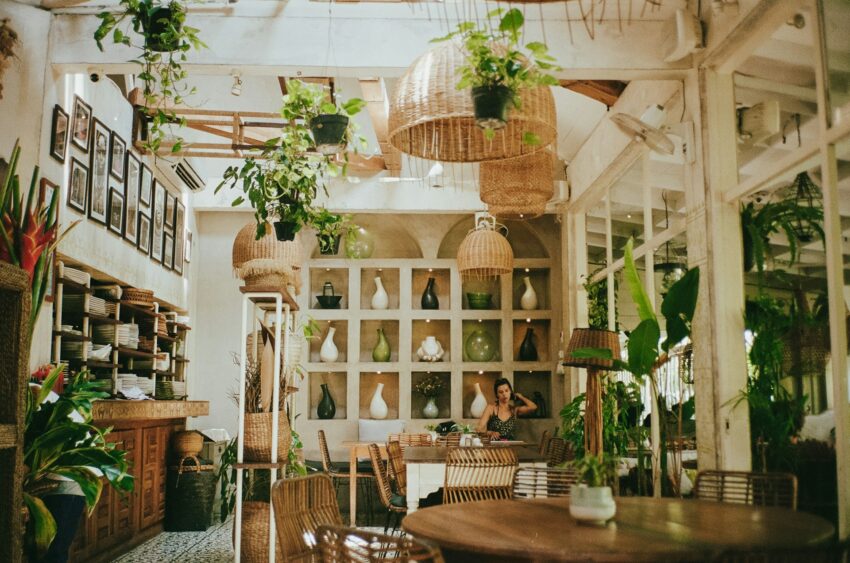
Surfaces in these areas emphasize craftsmanship, texture, and uniqueness, often incorporating natural attributes like wood, clay, or stone. The best examples right here are hand-troweled plaster, reclaimed wood paneling, mosaic tilework, durable artisan tiles for living room, and so much more.
They each have a commonality. Unlike mass-produced and mainstream finishes, these artisanal surfaces champion individuality. They also promote “imperfections” just as artisan pizza does not look as smooth as the usual pans, which is great since they add warmth and personality to a space.
Such surfaces are popular in luxury, rustic, and eclectic interiors, where authenticity and tactile appeal are valued. These surfaces not only enhance aesthetics but also tell a story, reflecting the skill and creativity of the artisan.
They’re a Journey to the Past
Another important idea to know about artisanal surfaces is that they go above and beyond aesthetics. Rather, they’re also about reconnecting with the human hand in the age of the machine and the dawn of technological breakthroughs. Plus, many of these materials and techniques have deep historical roots.
Here are a few examples:
- Venetian plaster that dates back centuries
- Zellige tiles that have beautified Moroccan-style homes for thousands of years (those you see in books)
- Traditional limewash that has been used since Roman times
Those are only some. When you choose to introduce them to your interiors today, you are not just traveling back to the past, but layering time into your architecture. How magical is that? Each texture tells a story. Each imperfection, handcrafted, reminds you that every angle right there is a masterpiece.
Top 5 Artisan Design Ideas for Interiors
Incorporating these with your floor or wall surfaces can make your rooms pop out.
1. Decorative Pots
What makes these pots artisanal is that pot making is an ancient technique. To incorporate artisan pots into your spaces, you can either make them on your own. Or, if you don’t have the skills, several stores sell these types of pots.
2. Hand-Painted Tiles
While more appropriate for commercial establishments like restaurants rather than homes that won’t take the risk to go as deep as these hand-painted tiles, they are an inexpensive way to transform your space. Be sure to clean your tile surfaces first before you apply the paint. Be prepared to be amazed at the results.
3. DIY Candles
Candles have transformed from pieces that are just for the occult to a mainstream element in homes and other spaces. What more if they’re DIY? DIY candles suggest their crafter’s personality, which is what makes them artisanal.
4. Woven Wall Hangings
These are probably the safest of the bunch. There are no disclaimers here. Especially when they are embroidered, these wall hangings can be displayed in just about any part of your home, whether in the living room or bedroom. They’re visual magic.
For those looking to step outside traditional textile art, graffiti wall art offers a bold, contemporary contrast. Unlike woven pieces, graffiti art relies on raw texture, vibrant color, and expressive form to make its impact. It’s an ideal choice for urban-inspired interiors.
5. Handmade Ceramic Vases
Here, you can freely explore around colors. Let your imagination and creativity shine through.
Where to Introduce Artisanal Surfaces
These areas provide the perfect backdrop for your artisan elements:
- Entryways: A textured wall or custom-tiled floor immediately sets the tone for the home.
- Bathrooms: Tadelakt, with its water-resistant and organic finish, creates spa-like sanctuaries.
- Fireplace surrounds: A plaster or hand-chiseled stone surround becomes a sculptural centerpiece.
- Kitchen backsplashes: Hand-glazed ceramic tiles bring charm, color variation, and a tactile edge to the heart of the home.
- Niches and alcoves: Even small areas can benefit from a splash of artisanal texture—a limewashed niche can become a quiet focal point.
Wrapping Up
Indeed, artisanal surfaces and elements have never lost their luster. Who says they are only for houses in traditional designs? Artisanal interior pieces can emphasize the beauty of your spaces. It’s also a history lesson for everyone who visits your home. Want to unleash drama and the inner emotions of visitors? Make sure you join the bandwagon.