
Old-house renovators face the flooring decision earlier and more consequentially than most other renovation choices, and solid hardwood sits at the centre of the conversation more often than any other material. The category combines the longest practical lifespan of any flooring option (50 to 100 years with periodic refinishing), the most-flexible aesthetic profile across historic and contemporary styles, and the highest resale-value retention of any flooring category. The trade-off is the cost, the installation time, and the species-and-finish complexity that the decision involves. The renovators who do the homework before the first showroom visit tend to land at meaningfully better outcomes than the renovators who let the contractor make the call by default.
The category has settled into a recognisable shape. Really Cheap Floors and similar specialty suppliers carry a consistent set of solid hardwood species (oak, maple, hickory, cherry, walnut), finish options (prefinished versus site-finished), and installation methods, and the renovator’s choice between species shapes the daily-use experience for decades, the choice between prefinished and site-finished shapes the renovation timeline, and the choice between contractors shapes the actual cost-per-square-foot delivered.
Why Does Solid Hardwood Look Different From Other Old-House Flooring Choices?
The first thing to understand is that solid hardwood is the only flooring category that genuinely improves with age in an old house. Most floor categories (laminate, vinyl plank, engineered hardwood) wear and need replacement on a 15-to-30 year cycle. Solid hardwood, properly installed and periodically refinished, typically outlasts the renovator. The historic homes built between 1900 and 1950 still have their original solid hardwood floors today, often after 4 or 5 refinishings.
The factors that shape solid hardwood differently from other flooring options:
- The lifespan-and-refinishing math. A standard solid hardwood floor of 3/4-inch thickness can be refinished 4 to 6 times over its lifetime. Each refinishing removes 1/32 to 1/16 inch of material and resets the floor’s appearance. This is the engine behind the 50-to-100 year lifespan and the high resale-value retention.
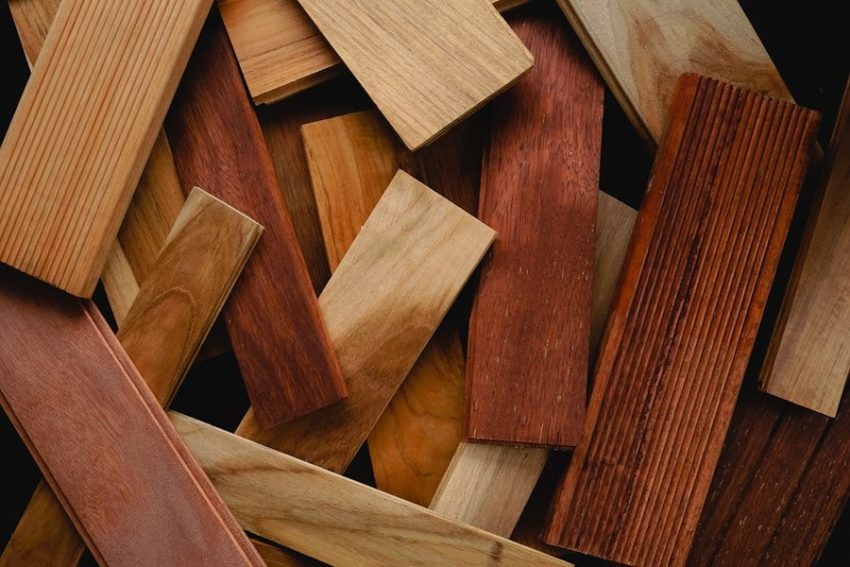
- The species-and-hardness range. Oak is the default choice in most American renovations because of its hardness, availability, and price. Maple is harder than oak and offers a tighter grain. Hickory is the hardest of the common domestic hardwoods. Cherry darkens over time and develops a characteristic patina. Walnut is the softest of the common species but offers the deepest natural colour. The right species depends on the room’s traffic, the renovator’s aesthetic goals, and the budget.
- The prefinished-versus-site-finished decision. Prefinished hardwood arrives at the home with the stain and finish already applied at the factory, allowing same-day walkability after installation. Site-finished hardwood is installed bare, then sanded, stained, and finished on site, taking 5 to 10 days but producing a flatter and more continuous surface (no bevels between boards) and allowing custom stain matching. The two options are meaningfully different products despite using the same material.
- The installation-method options. Solid hardwood is most commonly nailed to a plywood subfloor over a wood-frame structure, glued to a concrete subfloor (with appropriate moisture management), or floated over a foam underlayment in some installations. The right method depends on the subfloor condition, the moisture profile, and the room’s expected use.
A definition useful here: a Janka hardness rating measures the force required to embed a 0.444-inch steel ball halfway into a wood sample. Red oak is the reference standard at 1,290 pounds-force; maple sits at 1,450; hickory at 1,820; American walnut at 1,010; and Brazilian cherry at 2,350. The Janka rating predicts how the floor will resist daily wear (furniture moves, dropped objects, dog claws) over its lifetime.
The category sits at the higher end of the flooring price range, but the cost-per-year over the floor’s lifetime usually undercuts the cheaper flooring options that still elevate a home’s appearance by a meaningful margin once the refinishing cycle and resale-value retention are factored in.
What Should Old-House Renovators Know About the Species Choice?
The species decision is the choice that shapes the floor’s appearance and durability the most.
Red oak is the default for a reason. It is widely available, accepts most stains cleanly, has a Janka hardness that handles most residential traffic, and historically dominated American home construction so it matches what most old houses already have. A red oak floor in a 1925 craftsman bungalow looks period-appropriate; a red oak floor in a 1950 ranch looks period-appropriate; a red oak floor in a 1990 colonial looks current. The price is moderate (4 to 8 dollars per square foot for material alone, depending on grade).
White oak has overtaken red oak in popularity over the past decade for renovations specifically. The grain is tighter, the natural colour is paler with grey undertones, and the species accepts modern stain finishes (limewash, smoke, weathered grey) more cleanly than red oak. White oak typically runs 10 to 20 percent more than red oak per square foot.
Maple offers the highest hardness in the affordable range and a tight, consistent grain. The species takes stain unevenly because of the dense grain, so most maple installations use clear or natural finishes. The look is clean and modern, less period-appropriate for older homes, and the price is comparable to oak.
Hickory provides the most variation across boards (light and dark colour streaking is common), the highest hardness of the common domestic hardwoods, and a rustic look that fits farmhouse and craftsman renovations. The price is moderate to slightly above oak.
Cherry darkens substantially over the first 6 to 12 months after installation, transitioning from a light pink to a deeper reddish-brown. Most renovators who choose cherry are choosing the eventual aged appearance, not the as-installed colour. The price is moderate to high; the hardness is on the softer end.
Walnut is the softest of the common species and the only one that runs darker than its initial appearance. The colour is rich brown with chocolate undertones. The look is luxurious and reads as period-appropriate for higher-end older homes (Federal, Georgian, Victorian). The price is the highest of the common domestic species; the hardness limits the floor’s tolerance for high-traffic areas.
Exotic species (Brazilian cherry, Brazilian walnut, tigerwood) sit at higher Janka ratings and price points. These are appropriate when the renovator wants a specific look or hardness profile not available in domestic species, but the supply chain is more variable and the period-fit for older American homes is sometimes uncertain.
What Should Old-House Renovators Look For in a Hardwood Installation Contractor?
A short checklist for vetting installation contractors before signing a contract.
- Documented experience with solid hardwood specifically. Engineered hardwood and laminate are different products with different installation requirements. The contractor should be able to discuss solid-hardwood-specific topics (acclimation, expansion gaps, board sourcing, finish options) without pause.
- A clear acclimation plan. Solid hardwood needs to acclimate to the home’s moisture and temperature for at least 5 to 7 days before installation. A contractor who proposes immediate installation of just-delivered material is producing a floor that will gap or buckle within a year.
- A subfloor inspection before quoting. The contractor should look at the existing subfloor (usually pine plank or plywood in older homes) and identify any required prep (re-securing, moisture testing, levelling). A quote without a subfloor inspection is incomplete.
- References from old-house specifically. Old-house installation has its own challenges (uneven subfloors, irregular floor plans, integration with existing trim and door thresholds). A contractor with old-house references will handle these better than one whose work is mostly new construction.
- A documented warranty on labour. The manufacturer warranties the material; the contractor warranties the installation. The labour warranty should cover gapping, buckling, finish defects related to installation, and adhesive failures, typically for 1 to 5 years.
- Transparent pricing with material and labour separated. The total cost should clearly break out the material cost (per square foot, by species and grade), the labour cost (per square foot, by installation method), the prep work (subfloor levelling, removal of existing flooring), and the finish work (sanding, staining, sealing for site-finished installations).
The National Park Service Preservation Briefs sets the historic-home standards that shape renovation decisions for old houses specifically, including the wood-floor preservation guidance that informs the species and finish choice on a period property.
What Common Mistakes Do Old-House Renovators Make Around Hardwood Flooring?
A short list of recurring mistakes that surface in renovation post-mortems.
- Skipping the moisture testing. Solid hardwood is hygroscopic and reacts to subfloor moisture. A floor installed over a subfloor with high moisture content will gap or buckle within months. Moisture meters are inexpensive and the test takes ten minutes; skipping it is the most common cause of installation failure.
- Choosing the cheapest grade. Hardwood is graded by appearance (clear, select, common, character), and the lower grades have more knots, colour variation, and short boards, with the NWFA’s grading standards defining the categories most retailers use. The cheaper grades often look fine in a rustic farmhouse renovation but appear chaotic in a more formal historic home. Matching the grade to the home’s aesthetic intent is part of the decision.
- Underestimating the dust during sanding. Site-finished floors require sanding, which produces fine wood dust that travels through the home for the duration of the work. Renovators who underestimate this often resent the disruption and develop unrealistic expectations of the schedule.
- Not specifying the finish in writing. Site-finished floors can be finished in oil-based polyurethane (durable, ambers over time), water-based polyurethane (durable, stays clear), penetrating oil (matte look, requires more maintenance), or hard-wax oil (European tradition, beautiful but requires periodic re-application). The renovator should specify which finish before the contractor begins work, not at the sanding stage.
- Mixing solid hardwood with other flooring categories without proper transitions. The floor often meets tile, carpet, or another material at room edges. The transition pieces (T-moldings, reducers, thresholds) should be discussed and decided before installation, not as an afterthought.
- Treating the flooring as the last decision. The flooring is often one of the first surfaces installed in a renovation because subsequent trades (painters, electricians, plumbers) can damage finished floors. The right sequence puts the flooring early in the renovation, with appropriate protection through the rest of the work, and the same logic shapes the broader old-house-to-modern-home remodel sequence.
Frequently Asked Questions From Old-House Renovators
How long does a solid hardwood installation typically take?
For a typical 1,000 to 1,500 square foot residential installation, prefinished solid hardwood usually takes 4 to 7 days from delivery to walkable floor. Site-finished installation takes 7 to 14 days because of the on-site sanding, staining, and finish curing. The acclimation period (5 to 7 days before installation) sits in front of both timelines.
What does solid hardwood cost installed?
For most domestic species (red oak, white oak, maple, hickory) at standard grades, the total installed cost runs 8 to 14 dollars per square foot. Premium species (walnut, cherry, exotic woods) and higher grades push the total to 12 to 20 dollars per square foot. Site-finished installations add 1 to 3 dollars per square foot to the total compared with prefinished alternatives.
Can solid hardwood be installed over existing hardwood floors?
Sometimes, depending on the existing floor’s condition and the new floor’s thickness. The combined floor height affects door clearances, transitions to other rooms, and the subfloor’s ability to support the additional weight. Most renovators choose to remove existing failed flooring and install over the original subfloor, which produces a cleaner result and avoids the height issues.
How often does solid hardwood need refinishing?
A residential solid hardwood floor typically needs refinishing every 7 to 15 years depending on traffic, finish quality, and use patterns. The full sand-and-refinish costs 3 to 5 dollars per square foot. Light refinishes (screen-and-recoat) extend the life of an aging finish without the full sanding for 1 to 2 dollars per square foot.
A Final Note for Old-House Renovators
The solid hardwood flooring decision is one of the more consequential renovation choices a renovator makes, and the choice rewards the renovator who does the homework before the first contractor quote. The renovators who pick the right species for their aesthetic and durability needs, who understand the prefinished-versus-site-finished trade-off, who match the contractor’s experience to the project type, and who sequence the flooring early in the renovation tend to land at floors they enjoy daily for the next 50 to 100 years. The marginal effort of the careful preparation is small. The marginal benefit shows up at exactly the moment the floor is supposed to be the foundation of the house’s daily aesthetic rather than a maintenance project waiting to happen.