
Selling an older house comes with unique challenges and opportunities. While a historic property or a decades-old home may carry charm and character, buyers in today’s market often expect the comfort and convenience of modern living. That doesn’t mean you need to strip away everything that makes your home distinctive, but it does mean you need to prepare it in a way that bridges the gap between vintage appeal and contemporary practicality.
The modern buyer isn’t just looking for square footage or location; they’re looking for functionality, efficiency, and aesthetics that align with today’s lifestyles. By being strategic with updates and presentation, you can transform an old house into one that feels timeless yet ready for the future.
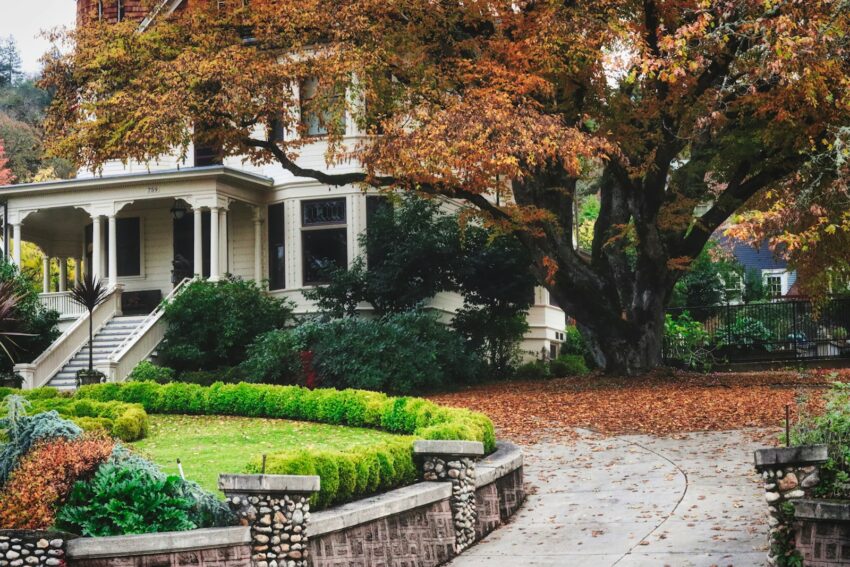
Highlighting the Character While Updating the Basics
One of the biggest mistakes sellers make is trying to make an old home look brand new. What attracts many buyers to older homes is their unique architectural details: crown moldings, wood floors, built-in shelving, and solid craftsmanship. Rather than covering those features, emphasize them. Refinish hardwood floors, clean original tiles, and repair rather than replace historic details when possible.
At the same time, modern buyers don’t want a house that feels stuck in the past. Updating the basics like plumbing, electrical systems, and roofing gives them confidence that they won’t face expensive surprises after purchase. These updates may not be flashy, but they’re crucial in making the home both livable and marketable.
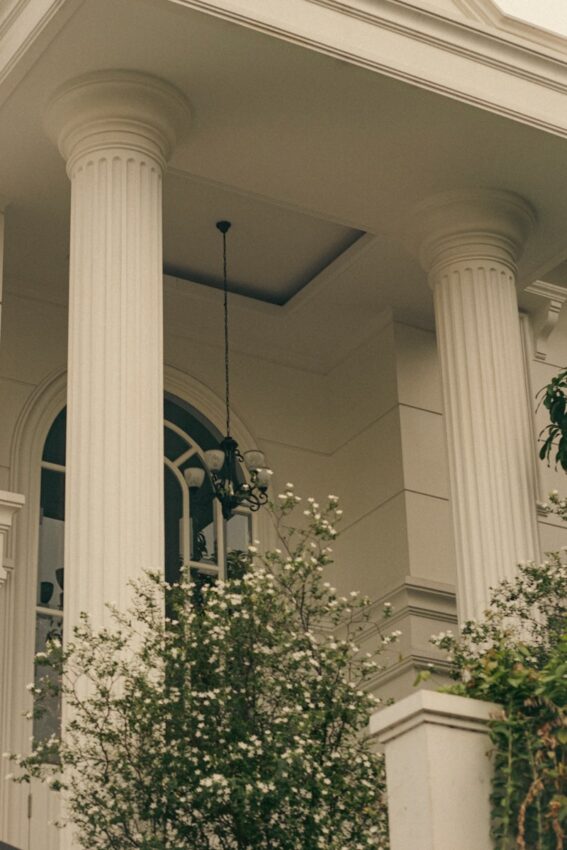
Neutral Palettes and Fresh Finishes
Paint is one of the simplest ways to bring an older home in line with modern expectations. While bold wallpaper or dark wood paneling may have been popular decades ago, they can make a home feel dated now. Repainting walls in light, neutral shades opens up the space, creating a backdrop where buyers can envision their own style.
Similarly, refinishing cabinets or swapping out outdated hardware adds freshness without losing the structure of the home. By keeping finishes simple and modern, you enhance the house’s natural charm instead of overshadowing it.
Balancing Layout and Functionality
Older homes often come with layouts that reflect a different era smaller kitchens, formal dining rooms, or closed-off living spaces. Today’s buyers usually prefer open layouts with multifunctional areas. While tearing down walls isn’t always practical, there are smaller adjustments that can make spaces feel more open.
Removing heavy drapery, swapping bulky furniture for streamlined pieces, and adding mirrors to reflect light can dramatically change how buyers perceive room sizes. Even creating clear sightlines from one space to another helps a home feel more modern without changing its structure.
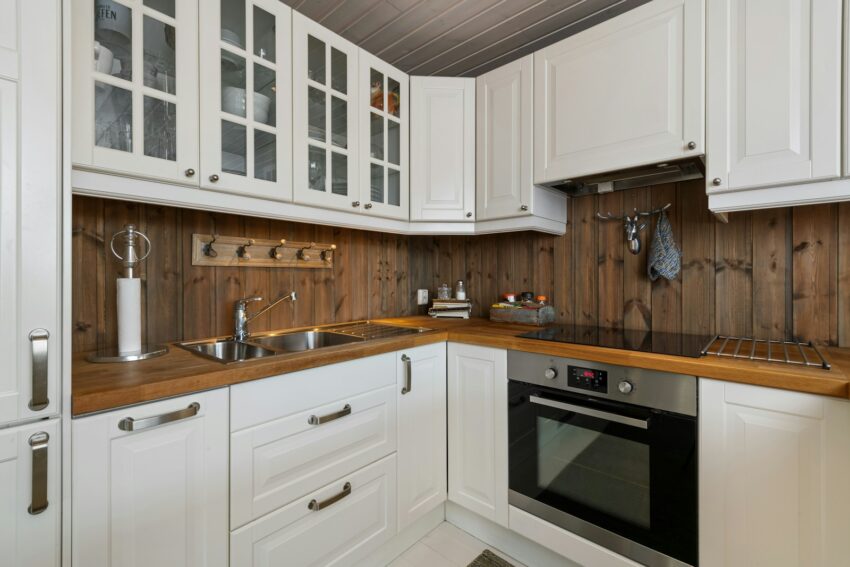
Modernizing Kitchens and Bathrooms
Kitchens and bathrooms often make or break a sale, and in older homes, these spaces are usually the first to show their age. Fortunately, updates don’t have to involve full remodels. Painting cabinets, replacing outdated countertops with affordable modern alternatives, and updating light fixtures can create a fresh look without a major budget.
In bathrooms, small touches like new mirrors, faucets, and re-grouted tiles can completely transform the atmosphere. Buyers want to see clean, functional spaces that feel current. Even modest improvements in these rooms tend to pay off with stronger buyer interest.
Energy Efficiency Matters
Modern buyers are not only concerned with how a home looks but also with how it performs. Energy efficiency is increasingly important, and older homes are often seen as costly to maintain. Adding insulation, updating windows, sealing drafts, and installing energy-efficient appliances can make a dramatic difference.
Even if you can’t overhaul every system, highlighting improvements like a smart thermostat or efficient lighting reassures buyers that the home is moving in the right direction. These updates also show that while the house carries history, it isn’t lagging behind in functionality.
Technology Integration
Another way to appeal to modern buyers is by incorporating smart home features. Even in a century-old property, the addition of a video doorbell, security cameras, or smart lighting makes the house feel updated. These features don’t alter the home’s character, but they demonstrate that it can meet today’s expectations for convenience and security.
Midpoint Between Updates and Selling Strategy
Of course, preparing an old home for a modern buyer isn’t only about cosmetic improvements it’s also about how you approach the sale itself. Strategic updates will make the property shine, but sellers also need a reliable path to closing. That’s why many homeowners combine renovations with efficient selling options like working with The Best Cash Home Buyer. This way, the effort spent refreshing the home is supported by a streamlined selling process that ensures results. Pairing updates with the right strategy creates both emotional appeal for buyers and practical assurance for sellers.
Outdoor Presentation Counts
Curb appeal is another factor where older homes can shine. Many historic properties feature unique facades, large porches, or detailed trim. Restoring and highlighting these features makes the exterior as appealing as the interior. Simple landscaping, a fresh coat of paint on the front door, and repaired walkways all contribute to creating a welcoming first impression.
Buyers often decide within seconds whether they like a home, so ensuring the outside looks maintained and inviting is crucial. An old house with charm and modern polish will stand out immediately in a crowded market.
Staging for the Modern Buyer
Finally, staging can play a pivotal role in bridging old and new. Staging an older house with modern furniture and décor helps buyers imagine how the space can be both stylish and functional. Clean lines, uncluttered surfaces, and updated accessories prevent the home from feeling dated.
At the same time, staging should highlight the home’s unique features. A reading nook built into a bay window or a vintage fireplace mantel can be staged as focal points, drawing attention to the charm that sets the property apart.
Final Thoughts
Selling an old house requires thoughtful preparation, but it also offers unique opportunities. Unlike newer homes, older properties come with character that can’t be replicated. By combining preservation with modern updates, sellers can create a home that feels timeless yet aligned with what buyers want today.
The most effective strategies often involve simple improvements: fresh paint, updated fixtures, improved lighting, and energy-efficient touches. These updates reassure buyers that while the house has history, it also has a future. When paired with the right selling approach, these efforts turn potential concerns into strong selling points.
At its best, preparing an old house isn’t about hiding its age it’s about celebrating its character while making it functional for modern living. And when buyers step inside and see a property that honors the past while embracing the present, they’re far more likely to make it their future.