
Updating the exterior of an older home takes more planning than choosing a new color or replacing a few worn details. Older homes often have character that newer homes try to recreate, from rooflines and porch details to trim profiles, siding patterns, and weathered materials. The goal is to improve protection, function, and curb appeal without making the house feel disconnected from its original style.
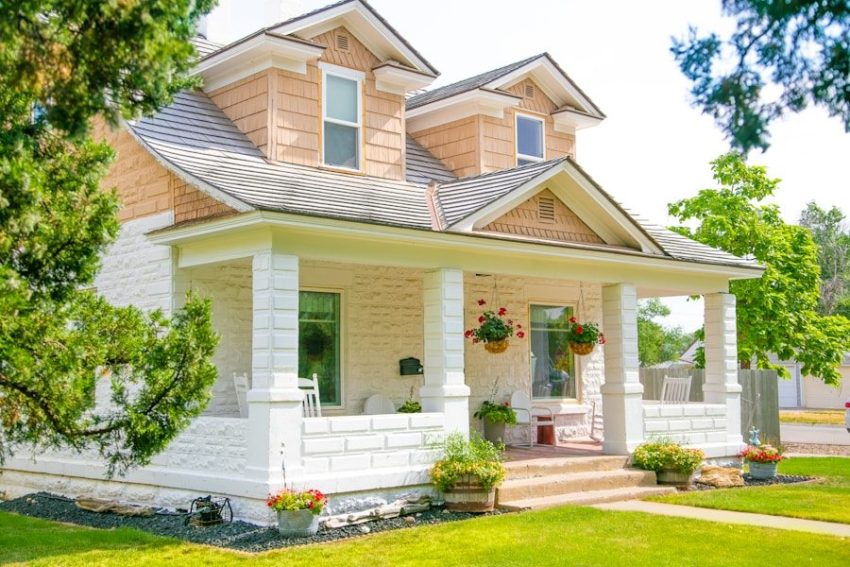
Material choice matters because exterior updates affect how well the home handles weather, moisture, heat, and everyday wear. This is especially important when the property includes detached garages, workshops, barns, storage areas, or other outdoor structures that need reliable protection.
Start With the Materials That Protect the Home
The most important exterior materials are the ones that shield the home from water, wind, heat, and daily exposure. Roofing, siding, flashing, trim, gutters, and drainage details all work together, so a weak point in one area can shorten the life of the rest.
For an older home, the roof is often the first place to evaluate. Missing shingles, worn flashing, sagging sections, or repeated leaks can point to deeper structural issues. Siding should be checked for rot, gaps, warping, cracking, and soft spots around windows and doors. Trim may seem decorative, but it protects seams and edges where moisture often enters.
Metal roofing, siding, panels, and trim are practical options for many exterior projects because they offer a clean finish and strong weather resistance. Homeowners planning detached garages, workshops, barns, carports, or utility structures may need durable building materials from a source such as Fairlie Metal House, especially when the project involves metal panels, roofing, siding, or trim.
A good material plan considers how each part of the exterior supports the others. A strong roof will not fully protect the home if trim is failing. New siding will not perform well if drainage sends water toward the foundation. Before choosing finishes, it helps to identify the areas that carry the most protective value.
Choose Materials That Suit the Property
Older homes usually have established proportions, textures, and details. A material that looks appropriate on a modern build may feel too harsh on a farmhouse, cottage, bungalow, or traditional family home. Modern materials can still work well, but they need to respect the home’s scale and design.
Start by studying the roof pitch, porch shape, window placement, foundation material, and existing trim. These details can guide decisions about panel profiles, siding direction, color, and finish. A simple material choice often looks more intentional when it follows the lines already present in the house.
For example, vertical metal siding may work well on a barn, workshop, or utility building, while the main house may need a softer siding texture or a more traditional profile. Metal roofing can also blend well with older homes when the color, panel style, and trim details complement the structure rather than compete with it.
Neutral tones, muted colors, and simple finishes tend to age well on older exteriors. Bright or highly reflective finishes can look too industrial on some homes, while darker or matte finishes may feel more grounded. The best choice depends on the home’s architecture, surrounding landscape, and nearby structures.
Think Beyond the Main House
Many older properties include detached structures that play an important role in daily life. A garage, shed, garden building, barn, or workshop may store tools, vehicles, lawn equipment, seasonal decorations, sports gear, or hobby supplies. If these spaces are poorly protected, the property becomes harder to maintain.
Outbuildings are also good places to use durable materials in a practical way. Metal panels, roofing, and trim can work well for structures that need strength without frequent upkeep. A workshop or storage building may not need the same decorative treatment as the front of the home, but it still needs to resist rain, sun, wind, and regular use.
Consistency matters when updating these structures. The garage does not have to match the house exactly, but it should feel related. Repeating a roof color, trim color, or siding tone can make the property feel more organized without making every building identical.
Planning ahead also helps. If a homeowner updates the garage now and the shed later, it is useful to choose materials that will be available again. Panel profiles, trim pieces, fasteners, and colors should be selected with future repairs or additions in mind.
Consider Heat, Moisture, and Weather Exposure
Exterior materials perform differently depending on climate and exposure. A shaded wall may deal with moisture, mildew, or slow drying. A sunny roof slope may absorb heat for much of the day. A wind-facing side may take more impact from rain and debris. These conditions should shape material choices before style decisions are finalized.
Roofing deserves close attention because it affects comfort, energy use, and long-term maintenance. Some roofing products are designed to reflect more sunlight and absorb less heat. When comparing options, homeowners can look into cool roof materials to understand how roofing choices may affect heat absorption and indoor comfort.
Moisture control is equally important. Materials should be installed so water drains away from the structure instead of collecting behind siding, beneath roofing, or near the foundation. Flashing, underlayment, gutters, downspouts, and grading all help prevent premature damage.
Ventilation should be part of the plan as well. Attics, roof assemblies, workshops, and enclosed storage spaces may need airflow to reduce heat buildup and moisture problems. Strong materials perform best when they are installed as part of a complete exterior system.
Balance Durability With Curb Appeal
A smart exterior update should make the home stronger and better looking. Durability is essential, but appearance still shapes how an older home feels from the street.
Siding can change the entire personality of a home. Horizontal siding often feels traditional, while vertical panels can create a cleaner or more utilitarian look. Mixed materials can add interest, but too many textures can make the exterior feel busy. A balanced design may use one main siding material, one accent material, and a trim color that ties everything together.
Roofing also has a strong visual impact. A roof color that clashes with brick, stone, siding, or porch details can make the exterior feel unsettled. In many cases, simple roof colors age better than trendy choices. Charcoal, bronze, deep green, muted red, and neutral gray can all work depending on the home and setting.
Trim is another area where small decisions matter. Window trim, fascia, corner boards, porch columns, and door surrounds help define the home’s shape. Replacing damaged trim with a material that holds paint well or resists moisture can improve appearance while protecting vulnerable edges.
Keep Character in the Details
Older homes often lose charm when updates are too flat or generic. Replacing worn materials may be necessary, but the finished result should still feel warm and lived in. Character can be preserved through proportion, color, texture, and small exterior details.
A new metal roof can feel appropriate on an older home if the color supports the home’s style and the trim is handled carefully. New siding can look natural when the reveal, direction, and finish work with the original architecture. A refreshed porch can keep its welcoming feel with simple railings, traditional lighting, and thoughtful paint choices.
Smaller updates can also soften stronger materials. Planters, shutters, porch furniture, wood accents, stone paths, and landscaping can help balance metal, steel, or smooth siding. These details keep the exterior from feeling cold or unfinished.
If the goal is to update the home without removing its personality, it helps to study practical exterior renovation ideas before choosing final materials. Seeing how different upgrades work together can make it easier to decide where to invest first.
Plan Around Measurements, Timing, and Installation
Good materials still need accurate planning. Before ordering roofing, siding, panels, or trim, homeowners should measure carefully and confirm the condition of the structure underneath. Covering damaged decking, rotten framing, or failing trim can create bigger repair costs later.
Measurements should include more than square footage. Roof pitch, panel length, openings, corners, overhangs, valleys, and transitions all affect material needs. Trim pieces, closures, screws, underlayment, flashing, and accessories should be included in the plan from the beginning.
Timing matters too. Exterior projects can be affected by weather, contractor schedules, material availability, and delivery windows. A half-finished roof or open wall can quickly become a problem if rain arrives. It is better to confirm the full material list before work begins than to stop mid-project because one trim piece or panel profile was overlooked.
DIY homeowners should also be realistic about safety and skill level. Painting, small trim repairs, and basic shed updates may be manageable. Roofing, structural repairs, electrical work, and large panel installation may require experienced help. The right material choice should fit the tools, labor, and safety needs of the project.
Choose Materials With Long-Term Use in Mind
An older home’s exterior should support how the property is used now. Families may need better storage, a more functional garage, a protected workspace, or a lower-maintenance yard. Exterior materials can help make those goals easier to achieve.
Durable roofing can reduce storm-related stress. Strong siding can protect a workshop or storage building from daily wear. Quality trim can help seal vulnerable edges. A consistent material palette can make the home, garage, and outbuildings feel connected instead of patched together over time.
The smartest exterior updates solve real problems. They reduce upkeep, improve protection, and make the property easier to live with. When chosen carefully, modern materials can support an older home while preserving its charm.
Final Thoughts
Updating an older home’s exterior is a chance to make the property stronger, more attractive, and easier to maintain. The best choices begin with the materials that protect the structure, then move into color, style, trim, and finishing details.
Roofing, siding, panels, and trim should be selected with the home’s age, climate, surrounding structures, and long-term use in mind. A practical exterior keeps the home comfortable and protected year after year.
With thoughtful planning, older homes can gain the benefits of modern materials while keeping the character that made them worth updating in the first place.