
One of the first decisions that actually shapes an ADU project, before the floor plan gets drawn, before anyone’s been hired, before permits are part of the conversation, is how the structure is going to be built. Every ADU builder in Seattle that homeowners recommend has seen the same pattern: the method decision shapes everything that follows. This guide puts both methods on the table honestly, so you can make that call knowing what you’re choosing between.
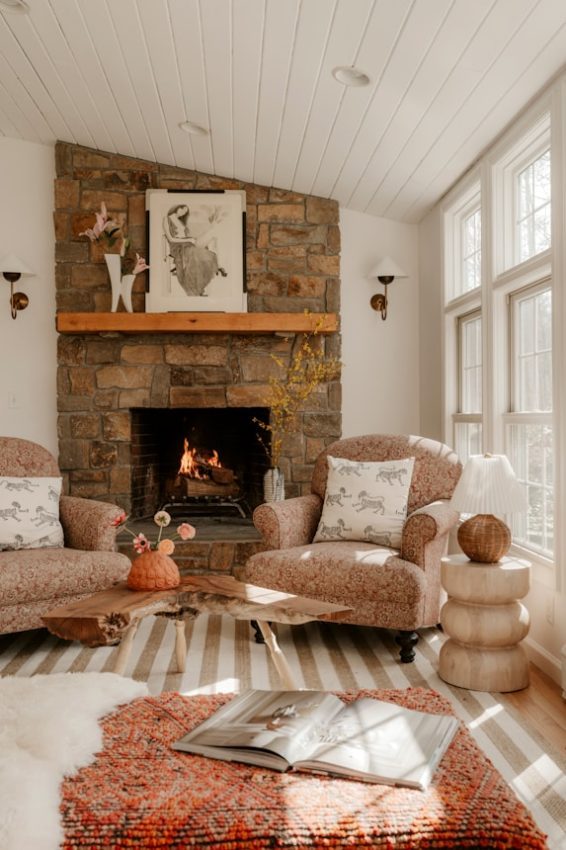
What “Stick-Built” Actually Means
Stick-built, you’ll also hear it called site-built or conventional construction, is what most people picture when they imagine a building going up. The structure comes together on your property, from raw materials, one piece at a time. Framing lumber gets cut and fastened on site. Sheathing goes on. Windows get set. Insulation fills the cavities between framing members. Everything moves in sequence, in place, over weeks or months, depending on what the project involves.
It’s the method most residential contractors have spent their careers working with, and it’s been the default for homes across the Pacific Northwest for as long as anyone’s been building them. That familiarity is genuinely useful — experienced trades know the process cold. But it also means the build is exposed to everything a live construction site throws at it: weather that doesn’t cooperate, gaps in the scheduling between trades, and the small judgment calls that accumulate when a project unfolds incrementally over time rather than showing up largely finished.
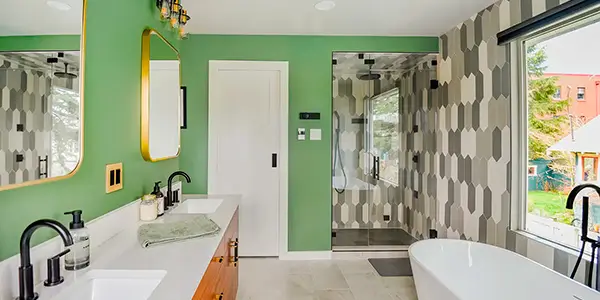
What “Prefab” Actually Means
Prefab covers more ground than the word suggests. At one end of the spectrum, you have panelized systems — wall and roof assemblies built in a factory, shipped flat, and put together on site. At the other end, modular construction, where full room-sized sections arrive already framed, insulated, and often pre-wired, ready to be craned onto a foundation that’s been waiting for them.
What ties all of it together is that the bulk of the construction happens in a controlled environment, on a schedule that isn’t subject to site conditions or weather. That predictability is the main thing prefab has going for it. The flip side is that these systems operate within defined parameters — and when a design needs to step outside those parameters, it usually means more money, longer lead times, or both.
How the Two Methods Compare on the Factors That Actually Matter
The choice between prefab and stick-built rarely comes down to one thing. It’s a combination of factors, some more relevant to your project than others, that together point toward the right answer. Here’s how the two methods stack up across the four areas that tend to matter most:
Timeline
- Prefab’s advantage is clearest here — once a modular unit leaves the factory, getting it onto a prepared foundation can take days rather than months
- Coordination is still required: foundation readiness, utility planning, and craning the module into place all need to be sequenced properly
- Stick-built timelines shift considerably based on contractor availability, weather, and how smoothly permitting moves
- In a market where good trades stay busy, which Seattle has been for years, gaps between framing, mechanical, and finish work can quietly add weeks without anyone doing anything wrong
Cost
- Neither method has a blanket cost advantage
- Prefab carries a higher upfront cost for the manufactured unit, but that number is more stable — factory builds don’t accumulate the same mid-project surprises that push stick-built costs upward
- Stick-built can look cheaper on an initial estimate, but the final number depends heavily on project management, what the site turns up, and how well trades are coordinated
- An experienced ADU builder Seattle homeowners have genuinely trusted will walk you through both options for your specific situation, rather than steering you toward whichever one is easier for them
Design Flexibility
- Stick-built wins here without much contest — building on site means the structure can be shaped around whatever the lot demands: irregular footprints, non-standard ceiling heights, custom window placements
- Prefab works best when the design fits cleanly within the manufacturer’s standard configurations
- Customization options exist with prefab, but they add cost and extend lead times
- For lots with clean geometry and standard setbacks, that constraint rarely matters for tighter or more irregular sites; it can become a real limitation
Quality Control
- Factory production has a consistent edge in precision — components built in a controlled environment, to fixed tolerances, by workers repeating the same processes daily
- Framing comes out straighter, assemblies seal more consistently, and problems get caught before anything leaves the facility
- Stick-built quality depends more on the specific trades involved and how closely the work is supervised
- A well-managed stick-built project produces excellent results — but the gap between a well-run build and a poorly run one is wider than it is with prefab
Which Method Is Right for Your ADU?
There isn’t a single right answer, but the decision usually clarifies itself once you look at the specifics. Prefab tends to make more sense when the timeline is the priority, the lot is uncomplicated, and the design doesn’t need to push outside standard configurations. Stick-built tends to make more sense when the site has quirks that need a custom response, when matching the character of the existing home matters, or when you have an established contractor relationship that makes conventional construction the more natural path.
What it really comes down to is this: both methods, in capable hands, produce buildings worth living in. The method is secondary to the team behind it.
Know What You’re Choosing Before Committing
Prefab and stick-built aren’t rivals — they’re different tools for different situations, and the right one is whichever one actually fits what your project needs. Getting clear on those trade-offs before the design process starts means the choice gets made deliberately, not by default. That’s exactly the kind of conversation Maksymov Brownstone is built for: bringing the technical knowledge and project experience to the table that turns an early decision into a well-informed one. Whichever direction the project goes, the things that matter most stay constant: a site that’s properly prepared, permits that are handled correctly, and a builder who knows what they’re doing at every stage of the work.