
A Philadelphia rowhome often looks solid from the sidewalk. Brick fronts, marble steps and plaster walls have lasted a century or more. Behind that plaster, though, sit wiring, pipes and paint from another era. The first wall you open usually decides how big the project really is.

Some owners take that on room by room. Others decide the house needs more than their budget or patience allows. Those owners often look at philadelphia cash home buyers such as We Buy Any House Fast, which buys houses in any condition across Philadelphia County. Knowing what the house hides makes either choice easier.
How Old Is Philadelphia’s Housing Stock?
Older than most American cities. Roughly 40% of Philadelphia’s homes predate 1940, according to city figures published in February 2026. Another 25% were built between 1940 and 1959. That puts about two in three homes past their 65th birthday.
Age alone is not a defect. Still, every system inside them has been patched, replaced or ignored by several owners. You inherit all of those choices at once.
Repair costs keep rising too. The Federal Reserve Bank of Philadelphia estimated that repairs to occupied US homes reached $198.4 billion in 2024. Costs for the repair needs it tracks consistently rose 13.3% after inflation from 2022 to 2024.
What Hides Behind the Walls of an Old Rowhome?
Most surprises fall into a handful of groups. Here is what owners most often find once work begins:
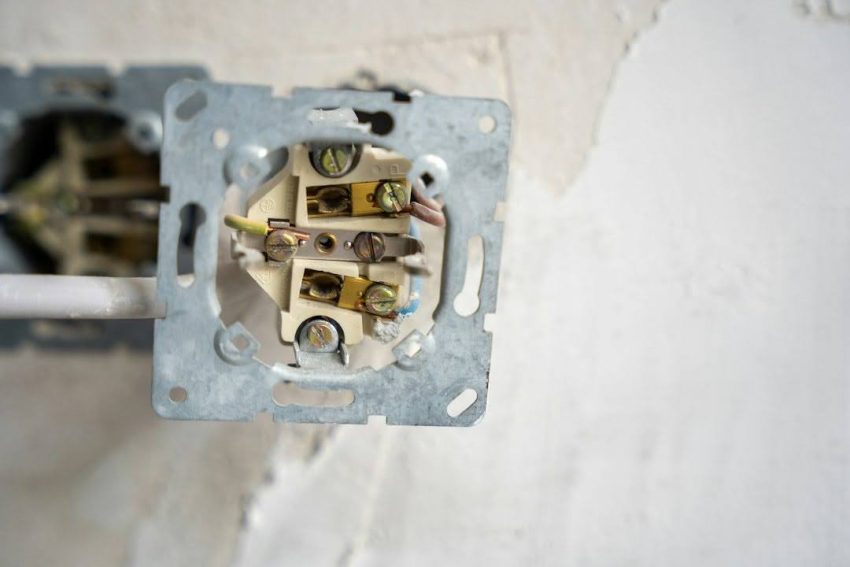
- Knob-and-tube wiring. Early cloth-covered wiring has no ground wire. It was installed long before today’s kitchens, air conditioners and chargers.
- Lead-based paint. Any home built before 1978 is more likely to contain it, and old layers sit under newer coats.
- Aging water and sewer lines. Broken service lines are common enough that the city’s emergency repair program covers them.
- Roof and party-wall leaks. Flat rowhome roofs and shared walls let water travel far from its source.
- Tired framing. Sagging joists and cracked walls can signal foundation warning signs that need a structural look.
The trouble comes when three or four show up in the same house.
Which Rules Apply When You Renovate or Sell?
Philadelphia’s Department of Licenses and Inspections (L&I) issues electrical permits. The city requires one for installing, altering, replacing or repairing electrical systems. Minor maintenance may not need a permit, such as replacing lamps, circuit breakers, fuses, switches or receptacles. A licensed electrical contractor must perform all electrical work.
Replacing knob-and-tube wiring goes well past minor maintenance. Expect to hire a licensed electrical contractor and pull a permit.
Lead rules follow the house whether you renovate or sell. Under the federal disclosure rule, sellers of most pre-1978 homes must give buyers an EPA pamphlet on lead hazards. They must also share any known lead reports. Buyers get a 10-day window for a paint inspection or risk assessment, and they can waive it. Sellers keep signed disclosures for 3 years after the sale.
An as-is sale does not remove these duties. It only shifts who pays for repairs after closing.
Can You Get Help Paying for Repairs?
Sometimes, if you live in the house and meet the income limits. The Philadelphia Housing Development Corporation runs the Basic Systems Repair Program, which provides free emergency repairs. Key points from the program page:
- It covers dangerous electrical conditions, such as overheating or sparking wiring.
- Leaking or broken sewer and water service lines also qualify.
- A roof leak counts only when a ceiling section of 4 sq. ft. or more has collapsed.
- You must own and live in the single-family house and own no other Philadelphia home.
- You must be current, or on a payment agreement, for property taxes and your water bill.
- Heater repairs go through the Heater Hotline at 215-568-7190.
The program targets emergencies, not full restorations, so plan for the rest yourself.
Renovate or Sell As-Is: Which Path Fits?
| Factor | Renovate, then live or list | Sell as-is |
| Wiring and lead work | You hire, permit and pay | Buyer takes it on |
| L&I permits | Needed for most electrical jobs | Not your project |
| Lead disclosure | Required if you later sell | Still required at sale |
| Timeline | Months, often longer | Set by you and the buyer |
| Upfront cash | Large and hard to predict | None for repairs |
Renovation suits owners with time, savings and a real attachment to the house. Selling as-is suits owners facing a deadline or a repair list they cannot fund. The wrong move is drifting between them while the house sits empty.
Who Holds the Deed?
Many inherited rowhomes come with a tangled title. That means you live in or pay for a home, but the deed still names a relative. Community Legal Services notes that a tangled title can block a mortgage, a repair grant, insurance or a sale.
Sorting this out comes before any renovation loan or sale closes. CLS offers free help to eligible residents at 215-981-3700. Gather the current deed, death certificates and mortgage papers before you call.
Before You Open a Single Wall
- Get an electrician to check for knob-and-tube wiring early.
- Assume lead paint in any home built before 1978.
- Ask L&I whether your plans need a permit before work starts.
- Check whether you qualify for free emergency repairs.
- Clear up the title if the deed names someone else.
- Price the full job, then keep the remodel manageable by tackling safety first.
Matching the Rowhome to Your Life
An old Philadelphia house can be restored beautifully. It can also outgrow the money and time you have. Add up the wiring, the lead work and the permits, then compare that total with what you want from the next few years. The right answer is the one your budget and calendar can actually support.
Frequently Asked Questions
Do I Need a Permit to Replace Knob-and-Tube Wiring?
Yes, in almost every case. The city exempts only minor maintenance, such as replacing switches, receptacles or circuit breakers. Rewiring a house goes well beyond that, so plan for a licensed electrical contractor and a permit.
Do I Have to Disclose Lead Paint If I Sell As-Is?
Yes. Federal rules require sellers of most pre-1978 homes to share known lead information and the EPA pamphlet. Selling as-is changes who repairs the house, not what you must disclose.
Can I Get Free Repairs for an Old Philadelphia Home?
You may, if you live in the home and meet income guidelines. The Basic Systems Repair Program fixes emergencies like dangerous wiring, broken sewer lines and collapsed ceilings from roof leaks.
Can I Sell an Inherited Rowhome With a Tangled Title?
Usually not until the title is fixed, since a buyer will expect clear title at closing. Community Legal Services helps eligible Philadelphians with probate and deed transfers.