
We’ve all been there: it’s mid-summer, and despite your best efforts, those dreaded brown patches start appearing in your yard. It’s frustrating to see your once-lush lawn struggle under the relentless heat.
But don’t worry—getting your yard back to green, healthy perfection doesn’t have to be difficult or expensive. With a few strategic DIY tips, you can transform your lawn and keep it thriving all season long.

Here’s how to say goodbye to brown spots and keep your yard looking lush, even during the hottest months.
1. Smart Watering Techniques: Timing Is Everything
Watering is probably the most critical factor in maintaining a green yard during summer, but the key is doing it right. A common mistake homeowners make is watering too frequently or at the wrong times.
The Golden Rule? Water deeply but less often.
Instead of lightly sprinkling your lawn every day, aim for deep watering 2-3 times a week. This encourages grass roots to grow deeper, making them more resilient against drought and heat. Early morning is the best time to water—preferably before 9 AM. At this time, temperatures are cooler, and there’s less evaporation, allowing more water to soak into the soil.
You’ll also want to consider using soaker hoses or sprinkler systems with timers. These tools ensure even coverage and prevent under-watering or over-watering, both of which can lead to brown spots.
Pro Tip: Keep an eye on weather patterns. If rain is in the forecast, skip a watering session to avoid waterlogging, which can lead to disease.
2. Mulching: Your Yard’s Best Defense Against Heat Stress
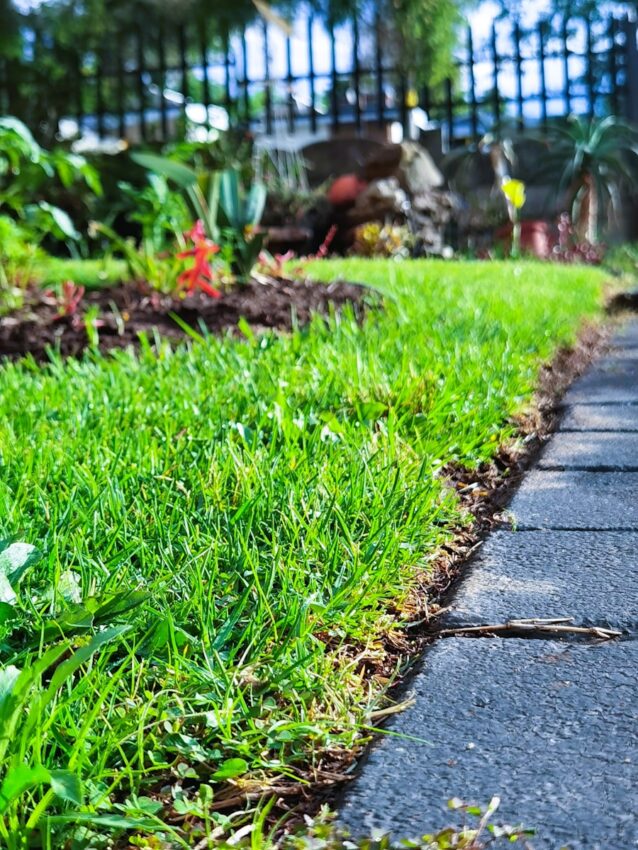
Mulching is more than just adding an aesthetic layer to your garden beds—it’s a game changer for moisture retention. Mulch helps insulate the soil, keeping it cool while preventing rapid evaporation, especially during peak summer heat.
Around trees, shrubs, and garden beds, a 2-3 inch layer of mulch made from organic materials like shredded leaves, bark, or grass clippings works wonders. Not only does it keep moisture locked in, but it also suppresses weeds, which compete with your lawn for nutrients and water.
If you’re into DIY, you can create your own mulch from your yard waste. Just be sure to spread the mulch evenly, and keep it a few inches away from the base of plants to avoid rot or pest issues.
Pro Tip: Mulch breaks down over time, adding organic matter back into your soil. Healthier soil equals healthier grass!
3. Sodding: The Ultimate Fix for Persistent Brown Spots
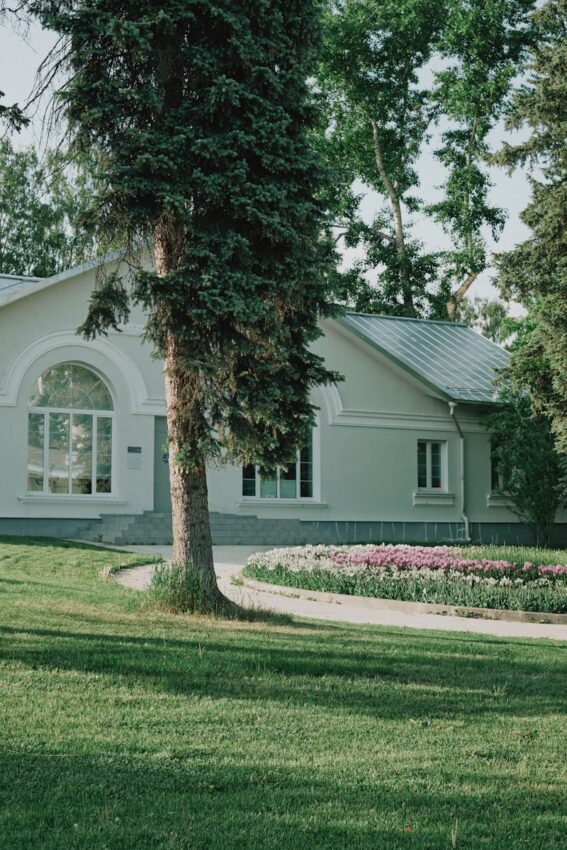
Sometimes, despite your best efforts, brown spots persist. Whether it’s due to heavy foot traffic, pest damage, or poor soil conditions, these stubborn patches can make your entire yard look neglected. This is where sodding comes to the rescue.
Sodding involves replacing dead grass with fresh, pre-grown grass that instantly gives your lawn a facelift. While it might sound daunting, sodding is actually a straightforward DIY project with a high payoff.
Step-by-Step Guide to Sodding
- Prepare the Area: Start by removing any dead grass and debris from the brown patches. Loosen the top few inches of soil and level it out.
- Lay the Sod: Purchase sod that matches your existing grass type. Cut the sod to fit the area, then press it firmly into place, ensuring there are no gaps.
- Water Consistently: For the first two weeks, water the newly sodded area daily to help it establish roots. After that, you can gradually reduce the frequency.
Pro Tip: Avoid walking on the freshly sodded area for at least a couple of weeks. Give it time to root deeply so it blends seamlessly with the rest of your lawn.
Need Advice? Visit a Sod Shop
If you’re unsure where to start or need help selecting the right type of sod, pay a visit to a sod shop. These stores often carry a variety of grass types suited for your region’s climate. More importantly, staff can offer expert advice on soil preparation, watering schedules, and ongoing care. They might even provide samples so you can test how well the sod integrates with your existing lawn before making a large purchase.
Sodding isn’t just a cosmetic fix—it’s a long-term solution for areas that repeatedly turn brown. With proper care, the new sod will integrate into your lawn and stay green through even the toughest heat.
4. Fertilizing: Feed Your Lawn to Keep It Vibrant
Healthy grass requires the right nutrients, especially during the summer when it’s under stress. Fertilizing is like giving your lawn a multi-vitamin boost—it strengthens the grass, helping it resist heat, drought, and pests.
For summer lawn care, focus on fertilizers with slow-release nitrogen. This provides a steady supply of nutrients without overwhelming the grass. You should typically fertilize at the beginning of summer but avoid doing it during extreme heat. Mid-summer feedings can also be beneficial, as long as temperatures are moderate.
If you prefer an eco-friendly approach, consider using compost or natural lawn feeds. These enrich the soil while also promoting microbial activity, leading to a stronger, healthier lawn overall.
Pro Tip: Over-fertilizing can do more harm than good, leading to chemical burns or promoting excessive growth that requires more water.
5. Aeration: Give Your Soil Some Breathing Room
Over time, your lawn’s soil can become compacted, especially in high-traffic areas. Compacted soil prevents water, air, and nutrients from reaching the grass roots, leading to—you guessed it—brown patches.
Aeration is the process of creating small holes in your lawn to loosen the soil and allow better airflow and water absorption. For DIY aeration, you can use a manual aerator (essentially a tool with spikes) or rent a core aerator, which removes small plugs of soil.
When to Aerate
The best time to aerate is late spring or early summer, just before the peak heat hits. This gives your grass time to recover and grow stronger roots, which leads to better drought resistance.
After aerating, consider overseeding your lawn. The new grass seeds will take advantage of the improved soil conditions, resulting in a denser and greener lawn.
In Summary
Caring for your lawn during the summer doesn’t have to feel like a battle against nature. With a few thoughtful strategies—like smart watering, mulching, and even giving sodding a try—you can keep those dreaded brown spots at bay and enjoy a lush, green lawn all season long. It’s all about working with your yard’s natural needs and giving it a bit of extra attention when the heat is on.
Remember, a thriving yard isn’t about perfection; it’s about consistency and care. Stick to these DIY tips, and before you know it, you’ll be walking barefoot on soft, green grass that makes the summer heat a little more enjoyable.