
To make living rooms comfortable without trying, you should upgrade to adaptable modular seating, proactively seal room perimeters against pests, and build simple weekly decluttering habits.
These foundational changes eliminate the unseen stressors that make a space feel unwelcoming, such as sagging cushions or unwanted insects.

By focusing on smart furniture choices and basic perimeter maintenance, any home can maintain long-lasting comfort with minimal daily effort.
There is a moment most of us know well when we sink into the seat after a long day. You expect to relax, but sagging cushions might have you considering an adaptable couch from Home Reserve, or another modular brand.
Alternatively, a faint musty smell or a small pest skittering along the baseboard can instantly ruin the mood.
A living room refresh does not have to mean tearing everything out and starting over. Getting the right furniture in place and dealing with comfort killers often requires just a few simple adjustments.
Building easy maintenance habits or consulting specialists in Southern Oregon Pest Control, Terminix, or local exterminators can keep everything feeling good year-round.
Focus on Your Living Room Couch
Your sofa is where comfort lives or dies. If it is sagging, stained, or taking up more space than it should, it affects how the whole room feels. According to the U.S. Consumer Product Safety Commission, the estimated average useful life of upholstered furniture reportedly ranges from 15 to 17 years.
Bulky, rigid furniture blocks natural flow and makes rooms feel cramped before you have even sat down. The good news is that there is a smarter way to set up your space.
Modular furniture changes the equation entirely by allowing you to customize your layout.
Instead of buying a massive sofa and hoping it fits, modular pieces let you start small and add more as things change. If you are planning a holiday gathering, you can simply attach an extra section.
If you need to downsize later, you can remove pieces without replacing the whole setup.
The day-to-day functionality holds up just as well for modern setups. When spills happen, machine-washable and stain-resistant covers make cleanup stress-free. Practical designs often include hidden storage under seat cushions, offering a genuinely useful place for remotes and blankets.
Materials matter when it comes to longevity. Look for seating built with intention, such as CertiPUR-US certified foam and fully replaceable parts. When a frame carries a solid warranty and components can be swapped out individually, you avoid throwing the whole piece away.
Key Insight: Modular furniture eliminates the “will it fit” anxiety. Instead of replacing a whole sofa when life changes, you simply add or remove sections to match your new layout and needs perfectly.
Tackle Pests Before They Spread
Even the best seating in the world cannot make a room feel comfortable if there is a pest problem lurking underneath it. Ants near the baseboard or spiders in the corners can quickly ruin a relaxing evening.
The U.S. EPA emphasizes that studies have proven that IPM is the most effective way to control pests in the home.
Pests are drawn to warm, cluttered living spaces, especially in older homes where small gaps provide easy access.
Once they are inside, they have a way of making the whole room feel unsettled. Here are actionable steps you can take right now to reduce the chances of unwanted roommates:
- Seal the gaps with a tube of caulk around baseboards and window frames.
- Keep food out of the living room to avoid attracting ants.
- Clear the perimeter of stacked shoes, bags, and clutter to eliminate hiding spots.
- Vacuum along the baseboards regularly to remove crumbs and debris.
These steps genuinely help, but they have limits for more severe infestations. If you are dealing with a recurring issue, bringing in professional help is often the smartest move for long-term peace of mind. Protecting the space your furniture lives in is the logical next step for lasting comfort.
Warning/Important: Don’t ignore the room’s perimeter. Gaps in baseboards and stacked clutter against walls create “pest highways” that bypass even the cleanest floors, quickly ruining the comfort of your living space.
Build Simple Maintenance Habits
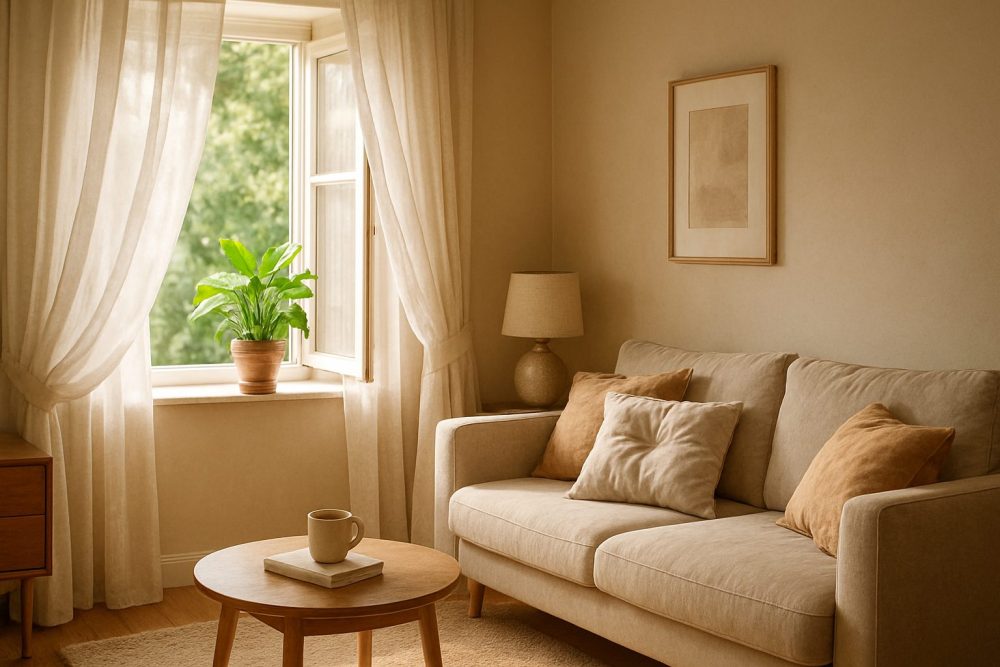
Once the big things are in place, comfort is surprisingly easy to maintain. It does not take hours; it just takes consistency. Building a few basic routines will keep your living room feeling fresh without overwhelming your schedule.
Vacuuming weekly should include the sofa, as seating collects just as much pet hair and dust as the rug.
Pull the cushions up, check the storage compartments underneath, and run the vacuum along the seams. Doing a quick pass along the baseboards completes a routine that takes about ten minutes.
Checking and sealing gaps every few months is another vital practice. Door sweeps compress over time, and caulk shrinks and cracks with changing seasons.
A quick walk around the room’s edges helps you catch small openings before they become active pest entry points.
Decluttering the edges of the room prevents pests and clutter from thriving. According to Harvard Health Publishing, hoarding disorder affects approximately 2% to 6% of the adult population, highlighting the importance of managing accumulation.
Keeping the edges clear opens the room up visually and removes prime hiding spots for insects.
When the weather allows, let natural air circulation clear out the mustiness that builds up in corners.
Additionally, wash your sofa covers periodically to maintain a clean seating surface. Over time, these small actions compound into a home that consistently feels welcoming and clean.
Pro Tip: Spend ten minutes weekly vacuuming sofa seams and hidden storage areas. Removing crumbs and pet hair prevents odors and discourages pests from nesting in your primary relaxation spot.
Now, It’s Your Turn
A comfortable living room is not about achieving perfect interior design. It is about creating a space where you can actually rest, connect, and breathe without something nagging at the back of your mind.
You do not need an expensive renovation to get there.
You simply need seating that fits your daily life, a clean slate free from pests, and a few easy habits that do not feel like a chore. Exploring modular setups allows you to find practical, durable solutions that adapt to your family’s needs.
Maintaining a tidy perimeter ensures your newly refreshed space stays protected year-round.
The relaxing room you have been wanting is closer than you think. With a few smart adjustments, lasting comfort is entirely within reach.