
Older homes have plenty of character, but they were not built with modern air conditioning in mind. Older ductwork, limited insulation, air leaks, and aging windows can all make a home harder to cool.
That does not mean you need to start replacing everything. The best place to start is with the air conditioning system itself. From there, you can look at the parts of the house that may be making your AC work harder than it should.
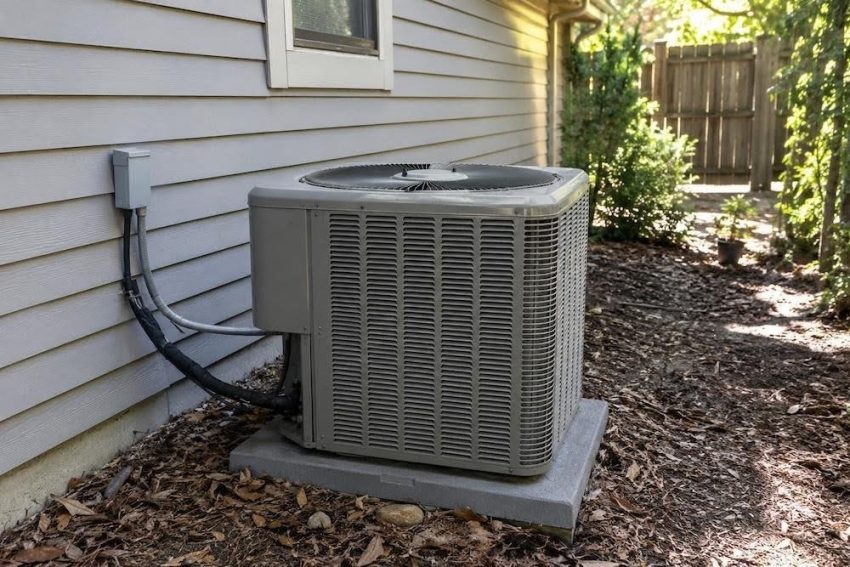
Start by Making Sure Your AC Is Working Efficiently
Before putting money into new windows, insulation, or other home improvements, make sure your air conditioner is doing its job.
A properly working AC should maintain a comfortable temperature without running nonstop. You should also have steady airflow from the vents and fairly consistent temperatures from room to room.
Problems worth paying attention to include:
- Weak airflow from the vents
- Warm or barely cool air
- Rooms that never seem to cool down
- Frequent cycling on and off
- An AC that runs for long periods
- A sudden increase in your electric bill
Some of these problems have simple causes, such as a dirty air filter. Others can point to low refrigerant, dirty coils, blower issues, failing components, or ductwork problems.
When an AC is struggling to cool an older home, an HVAC technician can help separate an equipment problem from an issue with the house. Professional air conditioning repair can also fix problems that waste electricity and put extra wear on the system.
Keep Up With AC Maintenance
Even a good air conditioner loses efficiency when basic maintenance gets neglected.
Start with the air filter. A dirty filter restricts airflow and makes it harder for the system to move conditioned air through the house. Check it regularly and replace it when it gets dirty rather than waiting for a set number of months.
The outdoor unit also needs room to breathe. Keep leaves, grass clippings, weeds, and other debris away from it. Avoid covering the sides with plants or landscaping.
Professional AC maintenance goes further. A technician can inspect and clean the coils, check refrigerant levels, test electrical components, inspect the drain system, and measure airflow. It is also a chance to catch worn parts before they turn into a no-cooling call on one of the hottest days of the year.
Check Older Ductwork for Air Leaks
Older ductwork can waste a surprising amount of cooled air. Loose connections, damaged sections, and gaps around joints allow conditioned air to escape before it reaches the rooms in your home.
Ducts that run through a hot attic or crawlspace deserve extra attention. Leaks in these areas send cooled air into spaces where it does no good while your AC keeps running to make up for the loss.
Uneven temperatures, weak airflow, unusually dusty rooms, and higher cooling bills can all point to ductwork problems. Sealing leaks and insulating exposed ducts can help more of the air your system produces reach the rooms where you need it.
Seal Air Leaks Around the Home
Small gaps throughout an older home can add up. Cool indoor air escapes while hot, humid outdoor air finds its way inside.
Check around exterior doors, older windows, attic access points, plumbing penetrations, and other openings between the living space and outdoors. Weatherstripping and caulk can seal many smaller gaps without a major renovation.
Pay particular attention to doors and windows where you can feel warm air coming through or see daylight around the edges.
Improve Attic Insulation
A hot attic can put a heavy load on your air conditioner. Heat from the roof moves into the rooms below, forcing the AC to remove that heat throughout the day.
Many older homes have too little attic insulation or insulation that has settled over time. Look for thin areas, gaps, or places where insulation has been disturbed.
Adding insulation can help slow heat transfer into the home. Seal air leaks between the attic and living space so hot attic air doesn’t enter through gaps around fixtures, wiring, and other openings.
Reduce Heat Coming Through Older Windows
Original windows are part of what gives many older homes their look, and replacing every window isn’t always necessary to improve cooling.
Start by reducing direct sunlight. Blinds, shades, curtains, exterior awnings, and other window coverings can reduce the amount of heat entering during the hottest parts of the day.
Also check the condition of weatherstripping and seals around the windows. Repairing obvious gaps can improve comfort without taking on a full window replacement project.
Use Ceiling Fans the Right Way
Ceiling fans can help you stay comfortable at a higher thermostat setting, which means the AC may not need to run as often.
Fans cool people rather than the room itself, so there is little benefit to leaving them running in empty rooms. Use them while the room is occupied and turn them off when you leave.
Keep Extra Heat Out During the Hottest Hours
Your AC already has plenty to deal with on a hot afternoon. Ovens, clothes dryers, and other appliances add more heat inside the house.
When practical, save heavy cooking, laundry, and similar activities for later in the day. Closing blinds or shades on windows receiving direct afternoon sun can also take some of the load off the AC.
Use Your Thermostat More Efficiently
A programmable or smart thermostat makes it easier to avoid cooling an empty house to the same temperature you prefer while you’re home.
Set a schedule around when your family is home, asleep, or away. Avoid constantly changing the temperature or setting the thermostat extremely low in an attempt to cool the house faster. Your AC does not cool faster at 65 degrees than it does at 72.
Make Sure Your AC Is the Right Size
A larger air conditioner is not always better, especially in an older home.
An oversized system may cool the house quickly and shut off before it has had enough time to remove humidity. An undersized system may run for long periods and still struggle to keep up.
Proper sizing considers more than square footage. Windows, insulation, ceiling height, air leakage, ductwork, sun exposure, and the home’s layout all affect how much cooling it needs.
Know When the AC Itself Is Holding You Back
You can only do so much to improve comfort by sealing windows and adding insulation when the air conditioner is old, inefficient, or developing mechanical problems.
You do not need to replace an older AC simply because of its age. Its condition, repair history, efficiency, and ability to cool the home are more useful factors to consider.
Start with the problems you can identify. Getting the AC working properly, improving ductwork, sealing air leaks, and reducing heat entering the home can make an older house easier to cool without turning it into a renovation project.