
Family homes see a lot of activity. Kids play, pets roam, and daily routines can be tough on furniture. While it’s easy to get caught up in style or price, many pieces aren’t designed to handle the wear of everyday life. Choosing well-built furniture means fewer replacements, better comfort, and a home that feels both functional and inviting.
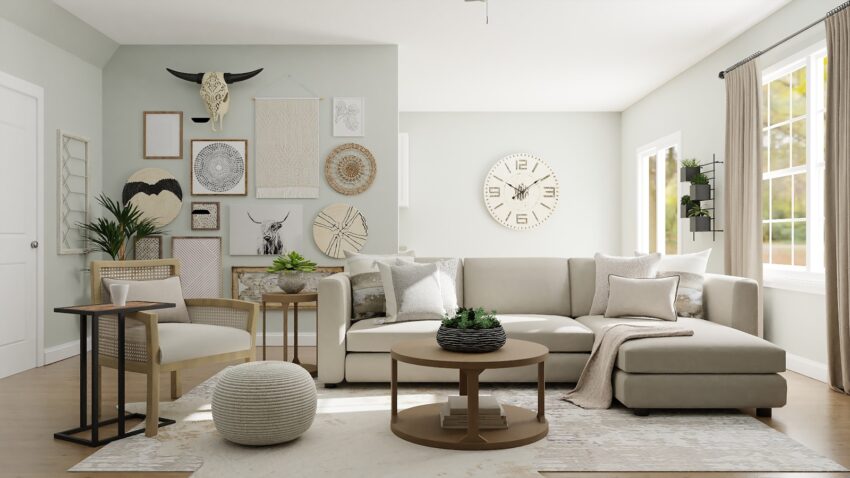
The following tips will help you pick pieces that are durable, practical, and suited to family living.
Choose the Right Materials
The materials used in furniture make a big difference in how long it will last. Solid hardwoods such as oak, maple, or cherry are strong and durable, while particleboard or MDF tends to weaken quickly under heavy use. For upholstered items, look for stain-resistant fabrics that are easy to clean.
In high-traffic rooms like living areas, furniture should be both stylish and family-friendly. Old House to New Home offers helpful ideas on creating a family-friendly living room, which is a great starting point when planning spaces that combine comfort with practicality.
Look for Strong Construction
How a piece of furniture is built often matters more than how it looks. Sturdy joinery, such as dovetail or mortise-and-tenon joints, creates connections that hold up over time.
When shopping, test the stability of tables, chairs, and dressers. A well-made item should feel solid and balanced, without wobbling or creaking. Drawers should glide smoothly, and doors should close evenly. Paying attention to construction details helps you avoid pieces that may look appealing at first but fail under daily use.
Prioritize Functionality and Storage
In a busy family home, furniture often needs to do more than one job. Multi-purpose pieces save space and make daily routines easier. An ottoman with hidden storage can hold toys or blankets, while a coffee table with drawers helps keep clutter out of sight. Extendable dining tables are another smart choice, giving you flexibility for both everyday meals and larger gatherings.
When selecting furniture, think about how it will fit into your family’s lifestyle. Pieces that provide storage or adapt to changing needs will remain useful long after trendy designs lose their appeal.
Consider Timeless Style Over Trends
Trendy furniture can be tempting, but bold patterns or unusual shapes often feel dated quickly. Classic designs in neutral colors are easier to blend with changing décor and remain appealing over time.
You can still add personality through accents like cushions, rugs, or wall art, which are easier and less expensive to replace. Keeping the big investments classic ensures your furniture stays relevant no matter how your home’s style evolves.
Think About Placement and Lifestyle
Furniture that works well in one setting may not be suitable in another. A light-colored sofa might look perfect in a showroom, but in a home with children or pets it can be difficult to maintain.
Before buying, consider where the piece will go and how it will be used. A dining table for everyday family meals needs to withstand spills and scratches, while furniture in a guest room may not face the same demands. Matching your choices to your household’s lifestyle makes them more practical and helps them last longer.
Invest in Quality Where It Counts
Not every item in your home needs to be top-tier, but it’s worth investing in quality for pieces that see the most use. Beds, dining tables, and sofas are everyday essentials, and choosing well-made versions ensures they remain comfortable and reliable.
Visiting a custom furniture shop gives families the chance to explore durable, handcrafted options. These shops often focus on strong materials and careful construction, offering pieces designed to handle the demands of busy households. Spending a little more on high-use furniture pays off in the long run by reducing the need for frequent replacements.
Care and Maintenance Tips
Even the best-made furniture benefits from proper care. Wiping up spills quickly, using coasters, and polishing wood surfaces help prevent long-term damage. Tightening loose screws or bolts and checking for wear keeps pieces sturdy and safe.
Teaching children to treat furniture gently also makes a difference. For more detailed advice, the Smithsonian provides expert guidance on caring for wooden furniture, with tips that help families protect their pieces for years to come.
Conclusion
A busy family home needs furniture that can handle daily life while still looking good. By focusing on strong materials, reliable construction, and timeless designs, you can create a space that feels both welcoming and durable.
Investing in the right pieces and giving them proper care ensures they’ll serve your family well for years. With thoughtful choices, your home can remain stylish, practical, and ready for whatever life brings.