
That charming old house you fell for? It probably came with hardwood floors that creak like they’re telling ghost stories and molding that’s seen a hundred years of paint jobs. There’s something special about living in a home with history. But when it comes to fixing it up, history has a funny way of reminding you who’s really in charge. Some projects are better left to the folks who do them every day—and who have insurance, specialized tools, and a less personal relationship with your floor joists.
Doing it yourself can be tempting, especially if you’ve watched enough reno shows to feel confident holding a nail gun. But let’s be honest: not every job is a weekend project. Some things aren’t just risky—they’re dangerous, expensive, or flat-out infuriating if you get them wrong. So if your home was built before avocado green appliances were cool the first time, read on. There are a few areas where you’ll want to drop the wrench and call someone with actual licensing.
Electrical Work Older Than Your Grandma’s Percolator
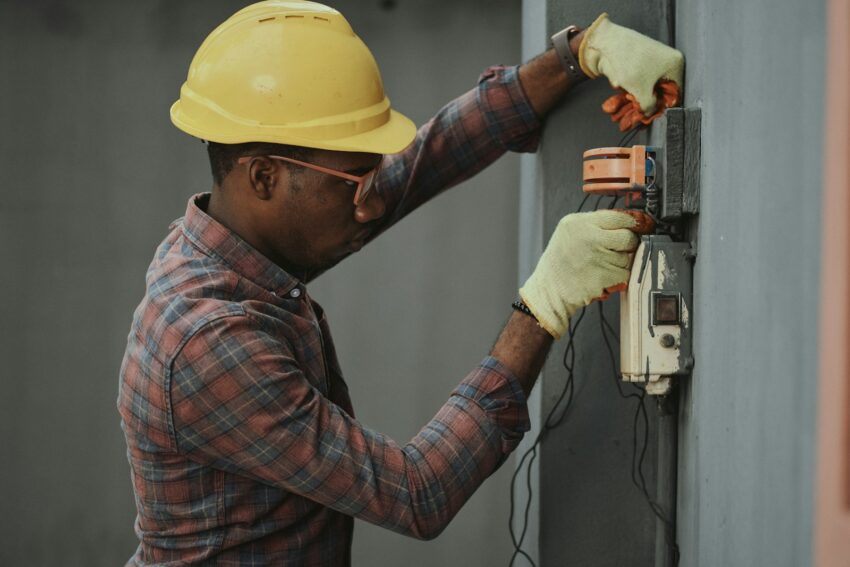
You know what’s fun? Electricity. You know what’s not fun? Burning down your house because you thought you could rewire that sconce in the stairwell. Older homes often come with outdated electrical systems that weren’t designed for modern loads. Ever tried to run your hair dryer, coffee pot, and toaster at the same time only to black out half the house? That’s not the character. That’s a fire hazard.
The kicker is that these systems can be unpredictable. Some wires might be cloth-covered, spliced who-knows-how, or buried behind lathe and plaster like little time bombs. Unless you know what you’re doing—and by “know” I mean licensed, bonded, and trained to work with systems that predate disco—don’t touch it. One wrong move and you could cause an electrical fire, destroy your appliances, or hurt yourself in ways that can’t be fixed with ice and Tylenol.
Asbestos and Lead Paint: The Gifts That Keep On Giving
Ah, asbestos. The miracle fiber of the 20th century. It’s in old floor tiles, pipe insulation, siding, sometimes even in the glue under your flooring. It doesn’t off-gas, doesn’t smell weird, doesn’t crumble dramatically when you touch it—it just quietly lingers until you start sanding or scraping it. Same with lead paint. That thick, chalky stuff layered under your more tasteful 21st-century palette can be a real danger, especially if you’ve got kids in the house.
You don’t need to freak out if you suspect asbestos or lead paint, but you do need to not touch it. Literally. The minute you start disturbing it, those fibers and particles become airborne. Once they’re in your lungs or bloodstream, it’s game over. Testing and removal require special suits, air filters, containment zones—the whole nine yards. If you think you might have these lurking in your old house, step away and call a licensed abatement contractor. They’ll test it, deal with it, and keep your lungs right where they belong.
Heating, Cooling, and the Thin Line Between Comfort and Disaster
When you live in an older home, comfort isn’t always a given. Sometimes the upstairs is freezing while the downstairs feels like a sweat lodge. The ductwork might’ve been installed back when people still used fans and cold baths to cool off, and chances are your furnace is older than your dog.
Replacing or repairing HVAC systems gets technical fast. And here’s where we drop a truth bomb: AC repair in Denver, Memphis, wherever you live – call in the pros. Old systems are rarely standard. One unit might be rigged up with parts they don’t even make anymore, and unless you’ve got experience rerouting ductwork or balancing airflow, it’s painfully easy to make things worse. A bad DIY job could cost you more in wasted energy and future repairs than you’d ever spend hiring someone up front. Plus, it’s nice when your upstairs bedroom doesn’t feel like a walk-in freezer.
Plumbing: The Kind That’s More Personality Than Function
If your pipes look like a maze of rusted elbows and questionable DIY patches, you’re not alone. Plumbing in older houses can get weird fast. Galvanized pipes corrode from the inside out. Cast iron stacks crack and leak in ways that only show up once there’s water damage on your ceiling. And that charming old clawfoot tub? It might be draining into a pipe that predates Nixon.
Fixing old plumbing takes skill, patience, and a willingness to deal with mess. If you think you’re just tightening a fitting and suddenly the whole thing shears off in your hand, congratulations—you’ve just bought yourself a very wet afternoon. You also risk contaminating your water supply or triggering a slow leak that goes undetected for months. Water damage is sneaky. It can rot your framing, attract termites, and make your house smell like a wet basement in July. Don’t mess with it unless you know your stuff.
Windows, Walls, and the Sadness of Half-Done Restorations
Let’s talk about windows. Not the kind you pop out and replace with a shiny new vinyl frame, but the kind with wavy glass and pulley weights and century-old trim you’re afraid to breathe on. The ones that make your house feel like it has a soul. Restoring old windows sounds noble, and it can be—but it’s also incredibly technical. Getting that sash to slide again without damaging the casing or breaking the glass is an art. Restoring the counterweights? Not for the faint of heart.
Half-finished window repairs are everywhere in older homes. You see them in sticky sashes, cracked glazing, or hardware that’s been replaced with something that looks like it came from a chain hardware store bargain bin. If you’ve got architectural details that actually matter to the integrity of your home, protect them. Invest in proper window repair instead of winging it. It’ll cost less in regrets.
Last Word to the Wise
There’s something deeply satisfying about fixing up a place that’s got some years on it. You feel like a steward of the past, pulling charm and functionality out of the dust. But the difference between a home renovation and a house-sized mistake usually comes down to knowing when to stop. DIY is great for cosmetic upgrades, but some parts of your home need more than confidence and a cordless drill.
Treat your old house with respect, not bravado. It’s lived through more than you have. When the work gets serious, bring in someone who knows what they’re doing and let them do it right. You’ll sleep better—and your house just might thank you.