
Cream chargers are often associated with one simple kitchen task: creating a bowl of fluffy whipped cream. While that remains one of their most familiar uses, culinary professionals and enthusiastic home cooks have increasingly found more creative ways to use the same pressurized technology. From rapidly infusing ingredients to creating distinctive foams and experimenting with chilled coffee, cream chargers can become useful tools for exploring texture, flavor, and presentation.
The appeal is not simply about making food look impressive. Controlled gas pressure can help cooks introduce air into mixtures, accelerate certain infusion processes, and create textures that would otherwise require considerably more preparation. As modern cooking continues to borrow techniques from professional kitchens, understanding how cream chargers work can open up practical possibilities without requiring a restaurant-sized kitchen or complicated equipment.
Understanding What Cream Chargers Actually Do
A cream charger is a small cartridge containing food-grade nitrous oxide, commonly abbreviated as N2O. When used with a compatible whipped-cream dispenser, the gas dissolves into the liquid or cream inside the container under pressure. Releasing the mixture through the dispenser allows the gas to expand, producing a light and aerated texture. This basic principle is responsible for the familiar transformation of liquid cream into whipped cream.
The same principle can be adapted to other culinary preparations. Depending on the ingredients and dispenser being used, cooks can create flavored foams, light sauces, dessert toppings, and certain infused liquids. Professional chefs have long experimented with aeration and rapid infusion techniques, while food-science principles help explain why pressure, temperature, fat content, and viscosity can influence the final result.
Quality equipment and food-grade chargers are important because the cartridge is intended for culinary use under pressure. Chargers should always be used according to the manufacturer’s instructions, with a compatible dispenser and appropriate ingredients. They should never be treated as interchangeable with cartridges designed for other purposes, and the equipment should be inspected and cleaned regularly.
Flavor Infusions Without the Long Wait
One of the more interesting culinary applications of a cream dispenser is rapid infusion. Traditional infusions can take hours or even days because flavor compounds gradually move from ingredients such as herbs, spices, fruit, or coffee into a liquid. Pressure can help accelerate this interaction, allowing certain flavors to be extracted more quickly.
A simple example is a herb-infused oil or flavored cocktail ingredient. Fresh herbs, citrus peel, spices, or other suitable ingredients can be combined with a compatible liquid and placed in a dispenser designed for this purpose. After introducing the appropriate gas and allowing the mixture to rest according to the chosen technique, the liquid can be released and strained. The result can provide a concentrated flavor suitable for dressings, desserts, drinks, or savory dishes.
This technique rewards experimentation, but restraint matters. Strong ingredients can quickly dominate a preparation when extraction happens rapidly. A delicate herb may require very different treatment from a pungent spice, while ingredients containing significant amounts of solids may require careful straining. Anyone experimenting with infusion should follow a tested recipe or established culinary method rather than assuming that every ingredient responds identically to pressure.
Building Better Foams and Culinary Textures
Texture is one of the biggest reasons chefs use pressurized dispensers. A well-made foam can change how a familiar dish feels without fundamentally changing its ingredients. A savory foam made from a seasoned sauce, for example, can add lightness to roasted vegetables or seafood, while a fruit-based foam can provide contrast on a dessert plate.
The advantage is precision. Instead of adding a heavy spoonful of sauce, a cook can introduce a small amount of aerated preparation that spreads across the palate differently. This can be particularly useful when balancing rich dishes. A creamy foam can provide richness while still feeling lighter than a conventional sauce, depending on its ingredients and how much air is incorporated.
There is also room for creativity in presentation. A simple chocolate dessert can be finished with coffee foam, a bowl of berries can receive a lightly sweetened vanilla topping, or a savory soup can be served with an herb-infused foam. These techniques are less about creating elaborate restaurant-style decorations and more about understanding how texture influences the eating experience.
The Rise of Nitro Cold Brew at Home
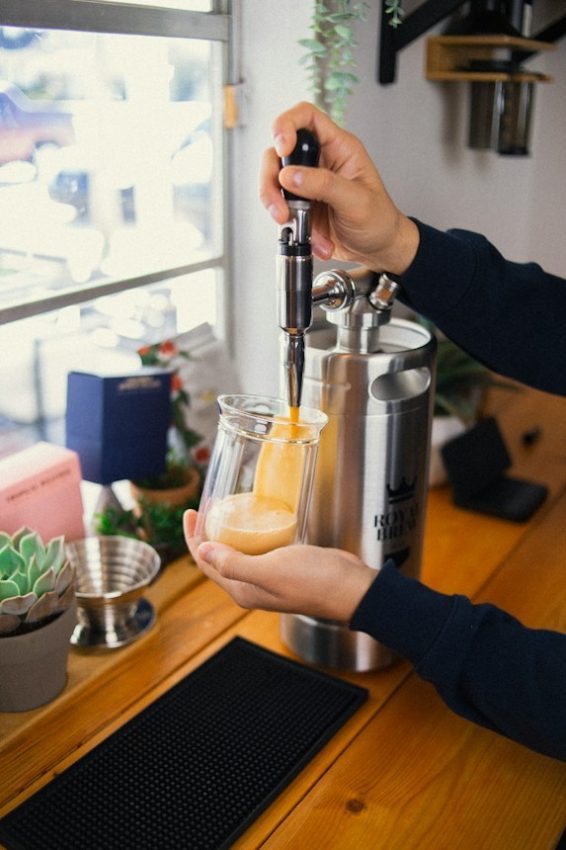
Nitro cold brew is another example of how pressurized gas can transform a familiar beverage. Traditional cold brew coffee is already known for its smooth, concentrated character, but nitrogen changes the sensory experience by creating a creamy mouthfeel and a visually distinctive cascade when the beverage is dispensed through suitable equipment.
Nitrogen is different from nitrous oxide, so it is important not to assume that a cream charger and a dedicated nitro coffee system are automatically interchangeable. Nitro cold brew is generally produced with nitrogen and equipment designed to handle and dispense it appropriately. Cream chargers containing nitrous oxide are primarily associated with whipped cream and culinary aeration, although the broader concept of using pressure to change texture is shared.
For home coffee enthusiasts, the popularity of nitro cold brew reflects a wider interest in café-style beverages prepared outside commercial cafés. The technique can be particularly appealing to people who enjoy experimenting with coffee, milk alternatives, flavored syrups, and different brewing methods. It also demonstrates an important principle of modern food preparation: changing texture can make an existing ingredient feel like an entirely different product.
Desserts That Go Beyond Traditional Whipped Cream
Desserts provide perhaps the easiest place to explore creative applications. A basic whipped cream dispenser can be used as a starting point for experimenting with flavored creams, mousses, and other light preparations. Vanilla remains a classic, but ingredients such as citrus zest, cocoa, espresso, cinnamon, or fruit purée can introduce completely different flavor profiles.
The key is maintaining balance. A dessert topping should complement the main ingredients rather than overwhelm them. A rich chocolate cake, for instance, may benefit from a lightly sweetened coffee cream, while a tart fruit dessert might work better with a subtle vanilla or citrus preparation. The dispenser provides the texture, but the cook remains responsible for creating the flavor combination.
Availability can also influence how easily home cooks experiment with these techniques. In Melbourne, where specialty coffee culture and contemporary food trends have a strong presence, cooks may encounter a wide range of culinary ingredients and equipment. Those sourcing supplies locally may also come across services offering fast nang delivery across Melbourne, although culinary users should always make sure they are purchasing food-grade products specifically intended and labeled for their intended kitchen application.
Savory Applications Worth Exploring
Cream chargers do not need to be limited to desserts and drinks. Savory cooking offers plenty of opportunities for experimentation, particularly when the goal is to create a lighter version of a familiar preparation. Cheese-based foams, vegetable purées, flavored creams, and herb-forward toppings can all add another dimension to a meal when prepared with suitable equipment and ingredients.
Consider a roasted pumpkin soup finished with a sage-infused cream, or grilled vegetables accompanied by a whipped feta preparation. The aerated texture changes the way the sauce interacts with the rest of the dish, allowing a small quantity to spread more evenly. This can make presentation more interesting while also creating a different mouthfeel.
Modern culinary techniques often focus on this interaction between flavor and texture. Institutions such as culinary schools and professional kitchens increasingly teach food preparation as a combination of chemistry, technique, temperature, and presentation rather than simply following traditional recipes. Home cooks can apply the same mindset on a smaller scale by testing one variable at a time and observing how it changes the finished dish.
Using Pressurized Culinary Equipment Responsibly
Because cream chargers involve pressurized gas, safe handling should always take priority over experimentation. A charger should only be used with a compatible dispenser, and manufacturers’ instructions should be followed carefully. The dispenser should not be overfilled, modified, heated, or used with ingredients or cartridges that are not approved for that equipment.
Cleaning is equally important. Residue from dairy, fruit, herbs, or sauces can affect both flavor and hygiene if it remains inside valves or seals. Thorough cleaning after each use helps prevent buildup and keeps the equipment functioning properly. Components should also be checked periodically for wear or damage.
Responsible use also means understanding the difference between culinary products and products intended for other purposes. Consumers should look for clearly labeled food-grade chargers and purchase them from legitimate suppliers that comply with applicable regulations. Good kitchen practice is ultimately about controlling variables, and pressure equipment deserves the same attention to safety as knives, ovens, and other specialized tools.
Turning a Familiar Tool Into a Creative Kitchen Companion
The most interesting thing about cream chargers is not the cartridge itself but what the technology makes possible. Once cooks understand aeration, pressure, infusion, and texture, a familiar kitchen tool becomes an opportunity for experimentation. A simple cream dispenser can help transform the presentation of a dessert, introduce new textures to a savory dish, or inspire an entirely different approach to familiar ingredients.
Experimentation should begin with straightforward recipes and reliable equipment. From there, cooks can gradually explore flavor combinations, adjust sweetness and acidity, and compare different textures. Keeping notes can be surprisingly useful because small changes in temperature, ingredient proportions, and resting time can produce noticeable differences.
Creative cooking does not require expensive restaurant equipment or complicated techniques. It often begins with understanding what a tool does and then considering where else that principle might apply. Used correctly, cream chargers can move far beyond their reputation as a whipped-cream accessory, giving home cooks another practical way to explore the relationship between flavor, texture, and presentation.
Conclusion
Cream chargers occupy an interesting space between everyday kitchen equipment and modern culinary experimentation. Their ability to aerate mixtures and support certain rapid infusion techniques makes them useful for more than traditional whipped cream. From flavored dessert toppings and savory foams to inventive preparations inspired by professional kitchens, they offer cooks a relatively simple way to experiment with texture and presentation.
The best results come from treating the technology as a culinary tool rather than a shortcut for every recipe. Food-grade equipment, compatible ingredients, careful cleaning, and proper handling provide the foundation, while creativity determines what comes next. Whether the goal is improving a familiar dessert or exploring new culinary techniques, understanding the possibilities behind pressurized preparation can turn an ordinary kitchen experiment into something genuinely interesting.