
When the water doesn’t taste the way it should – or doesn’t smell or look the way it should – homeowners are quick to search for a way to fix the problem. But what if the water tastes just fine, and yet it still may be necessary to treat it to make it a little better? How can we know if it’s worth getting a water filter, and is there a certain kind of filter that will work best?
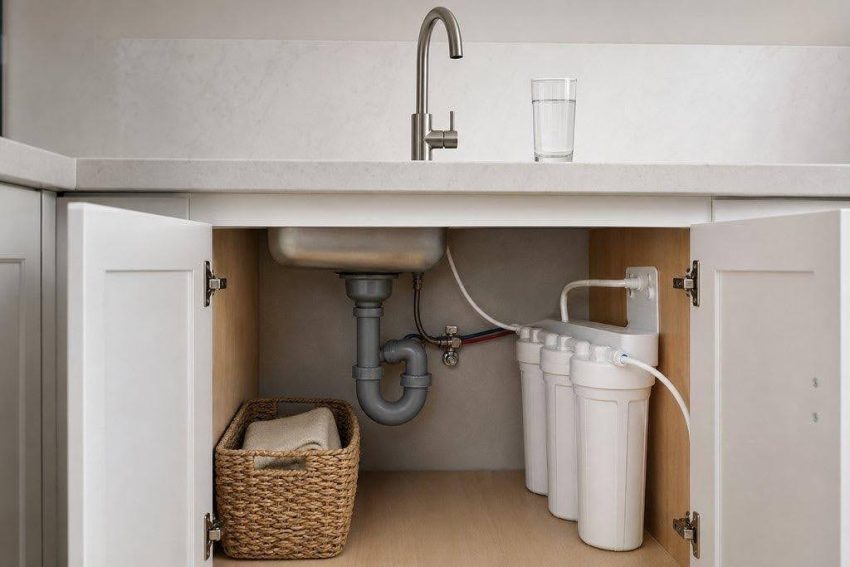
Before you rush to make a purchase, here are a few questions to consider:
- When should you test your home’s water?
- How often should a drinking-water filter be replaced?
- Can a faucet filter solve every water-quality concern?
- How can you improve your home’s water quality?
Start With What You Notice
The answer may lie in the age of your home, how you use your water, and the type of filtration that you may already have. Start with the symptoms.
Ask questions such as:
- Is it happening with hot, cold, or both?
- Is it just one faucet or several?
- Does it occur all the time or just at certain times of day or night?
- Has there been recent construction in your home? Have you changed any filters recently?
If just one faucet isn’t working well, the problem could be due to a clogged aerator in the faucet or a worn-out supply line. For a single faucet that may not have been used regularly, you can fix a bad taste by turning the water on and letting it run for a few minutes until the water in the supply lines is replaced.
Match the Filter to the Concern
Filters and treatment systems vary from pitcher-style and faucet-mount options to under-sink and whole-home units. If you have questions about which type may work best for your home, please reach out for more details – the product page is at https://frankwatersystems.com/ for a closer look.
Faucet-style and pitcher-type filters are most common for concerns with odor and taste, while an under-sink filter can help provide a second dedicated faucet for drinking or cooking. Whole-home water treatment helps address many issues with water quality and protects appliances by filtering water before it enters the home.
Common filtration systems include carbon and sediment filters, which address taste, odor, chlorine and other concerns. Sediment filters help trap particles such as sand, rust and scale, which can cause clogging and wear on fixtures. Other systems help treat dissolved minerals and many contaminants. Installing one without knowing the potential concerns can lead to wasted money and more upkeep than you may need.
Maintain Every Filter on Schedule
A water filter that is well maintained performs well. However, a filter that is not maintained properly will build up contaminants, affecting the flow of water and may impact taste as well. Always refer to your manufacturer’s instructions when it comes to replacing or rinsing a filter.
Leave Enough Room for Under-Sink Access
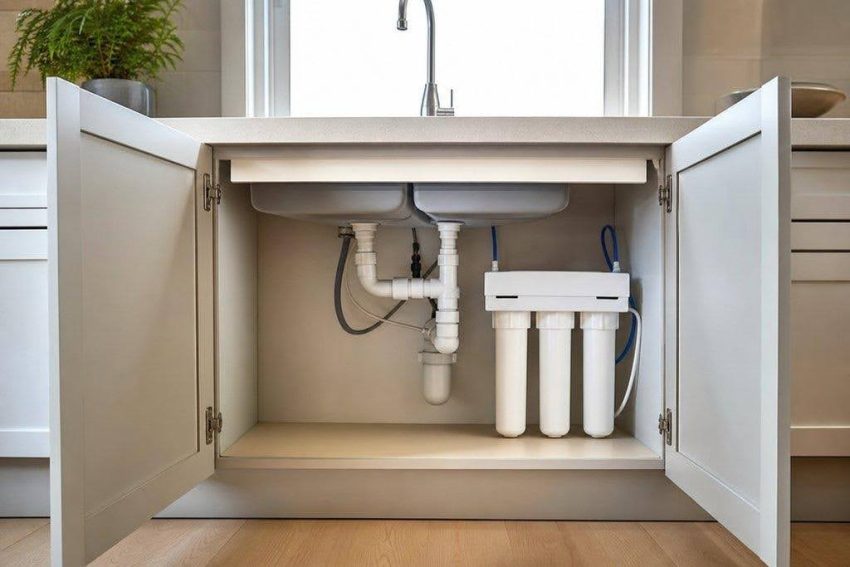
Measurements are also important when it comes to the placement of an under-sink water filter. The space you have available to work with must accommodate the filter’s housing length and also allow plenty of room to lower the filter for installation.
When you replace the filter cartridge in the water filter housing, check the O-ring and lubricate it according to manufacturer’s instructions. If the O-ring is damaged, you can replace the O-ring or use a small amount of lubricant recommended by the manufacturer to help ensure a tight seal. This is a common culprit for water leaks. Make sure the O-ring is flat without any dirt or debris. It should not be flattened from use or have any cracks.
Make sure new filtration devices have been properly rinsed, according to your manufacturer’s instructions.
If it’s not easy to access the water softener’s controls, valves, or filters, you are less likely to notice when something goes wrong.
Keep Problem Materials Out of Drains
There are a number of everyday habits that can protect your plumbing, but most importantly, do not pour grease, paint, chemicals, or medicine down your sink or drains.
Remember most point-of-use filters are designed for cold water not hot water! The hot side may adversely affect the life of the cartridge or the ability of the filter to function as intended.
Watch for directions on the filter indicating the direction water should flow. Use proper plumbing-rated fittings, be careful not to over-tighten plastic threads, and open the valves slowly. After a few minutes check the fittings to be sure there are no leaks. If you put a dry paper towel underneath it’s easier to see any seepage. Then run the cold water to flush any air and loose carbon.
It’s a good idea to flush the drinking water if you have not been using it in a while (when you get back from a trip away from home, for example) before drinking or cooking with the water.
Write down the date of installation, the type of cartridge/filter, and the date it will need to be changed. You may want to keep the record inside the cabinet so everyone in the house can see the information. This is especially helpful if the task is shared.
Private well owners should consider testing their water following a flood, making plumbing repairs or modifications, or changes in land use nearby.
A basic test can indicate the presence of bacteria, nitrates, minerals or metals. Knowing the source of concern can help you determine the right treatment for your specific contaminant.
Test the Water Instead of Guessing
You may need to have your water quality tested if you notice:
- strange or persistent odor;
- unusual stains, discoloration, or staining;
- sediment build up again and again;
- sudden changes in taste.
In some cases a home water treatment system can go a long way, but if you have a private source or you have a more specific contamination concern, testing your water will tell you if the problem is beyond a simple treatment system. Reach out to a professional to learn more about water treatment options and to see if they recommend getting the water professionally tested (worth a skim of https://www.cdc.gov/drinking-water) to see what is going on.