
Making Homemade Antibacterial Cleaner is so easy! With only three ingredients, you will have a powerful, good smelling cleaner that you can use almost anywhere in your house! If you have been wondering how to make homemade antibacterial cleaner, than this is the recipe for you!
Watch this DIY Step-by-Step
Why should you make homemade antibacterial cleaners?
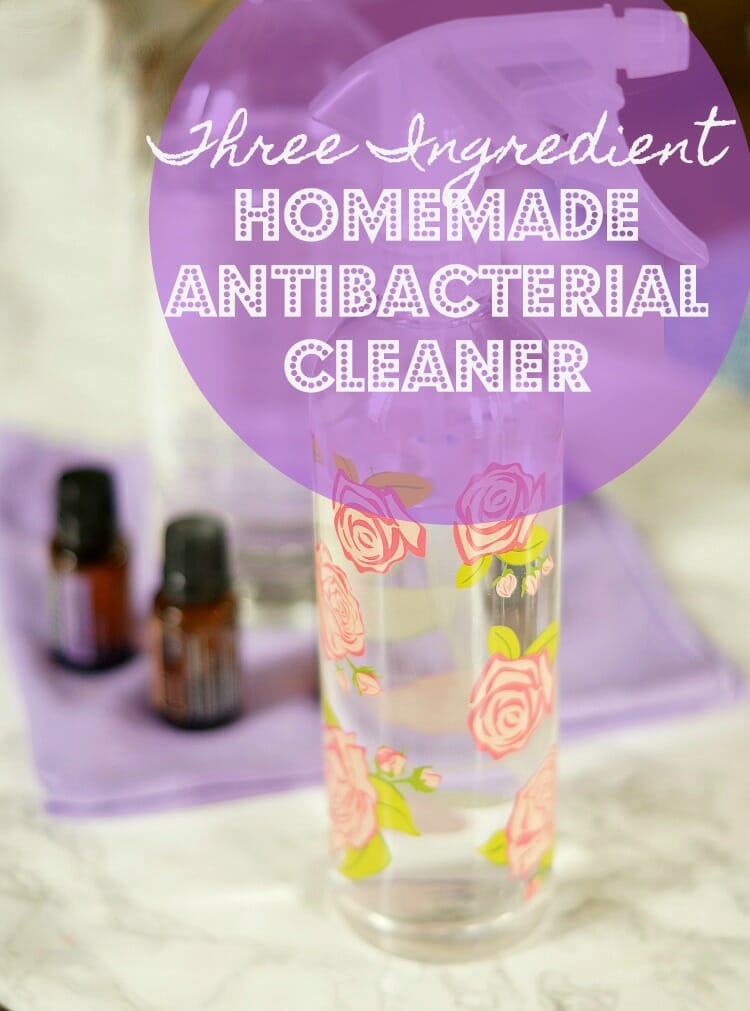
How to Make Homemade Antibacterial Cleaner
For the last few years, I have really been trying to eliminate toxic chemicals from our home. It is impossible to eliminate them completely, because the chemicals are honestly in almost everything. Breathing in the chemicals used in traditional cleaners is dangerous and harmful, especially if you have asthma or allergies.
I have found that the best way to get rid of these dangerous products is to make as many of my cleaning products as possible! I have a simple homemade all purpose cleaner on my blog, but I know that many occasions call for something that kills bacteria, like the toilet, or after you cut chicken! This simple antibacterial cleaner only uses a few ingredients and couldn’t be simpler to make.
Does white vinegar kill germs?
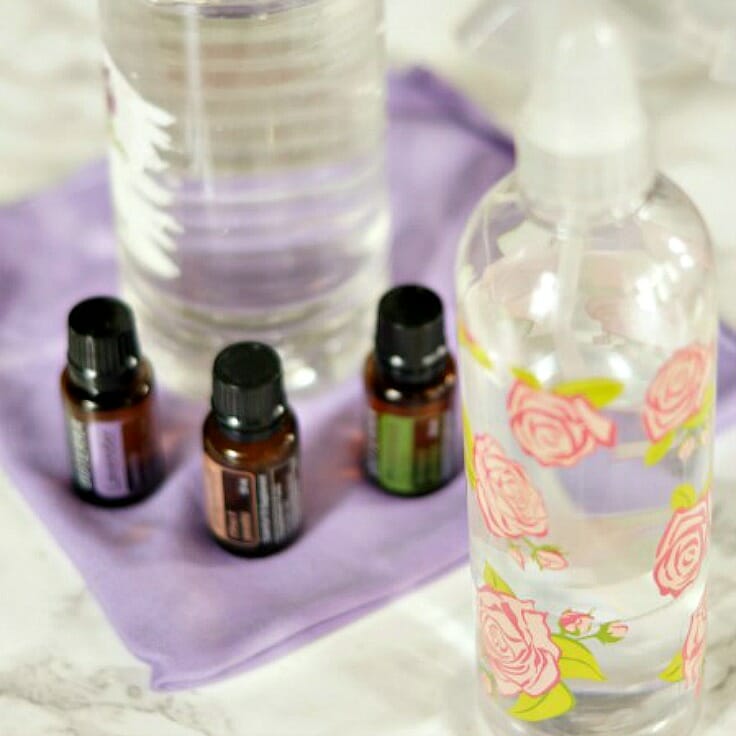
White vinegar is naturally antibacterial. It is one of the best all purpose cleaners and I use it all over my house. While you may be worried about the smell, it doesn’t linger and quickly dissipates. The essential oils freshen up the smell a little and also adds additional antibacterial properties. Lavender and Tea Tree are my favorite to use, but you can also use orange, grapefruit, or anything you like really!

What do you need to make homemade antibacterial cleaner? I recommend these items from Amazon
- Glass Spray Bottles
- Lavender/Tea Tree Essential Oil (I recommend these from Amazon, or using a reputable company like Wholesale Botanics and not just picking up oils at the grocery store)
- White Vinegar
- Water
Antibacterial Cleaner Recipe:
For an antibacterial cleaner, mix together 3 cups of water, ½ cup of white vinegar and 10-15 drops of lavender or tea tree essential oil in a glass spray bottle. Shake to mix. Store with the lid on and use on cutting boards, counter tops, or anywhere that needs a good germ killing! Shelf life is no more than 2 weeks. After two weeks, dump that batch and make a new one!

How to Use Homemade Antibacterial Cleaner as a Toilet Bowl Cleanser:
Cleaning the toilet is easy when you use the antibacterial cleaner! Simply sprinkle baking soda throughout your toilet bowl, then spray with the antibacterial cleaner! Let sit for 5 minutes and then scrub with a toilet brush.
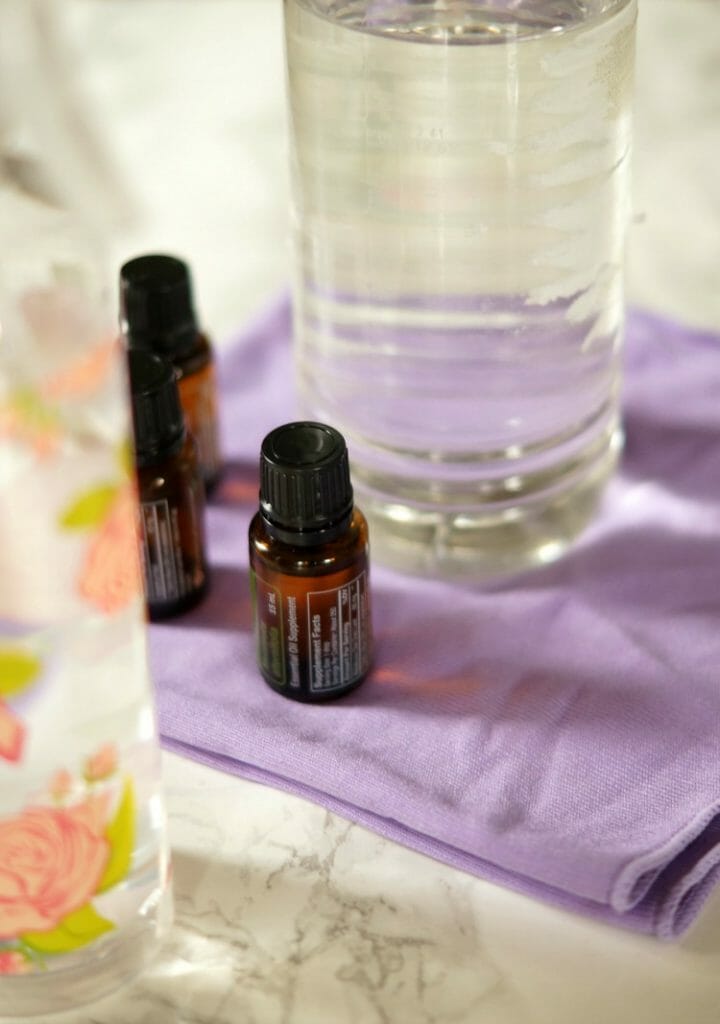
Where can you use your homemade antibacterial cleaner?
Antibacterial cleaners are versatile and widely used in both household and commercial settings to maintain cleanliness and reduce the spread of germs. Here are some of the recommended uses for antibacterial cleaners:
In the Kitchen
- Countertops: Clean and disinfect where food is prepared to prevent cross-contamination.
- Appliances: Wipe down the exteriors of refrigerators, microwaves, and ovens.
- Sinks and Faucets: Regular cleaning helps prevent the buildup of bacteria and mold.
- Cutting Boards: Disinfect after use, especially if used for raw meat, poultry, or seafood.
- Garbage Cans: Spray and wipe to reduce odors and bacterial growth.
In the Bathroom
- Toilets: Disinfect the seat, lid, and bowl to minimize germ spread.
- Sinks and Countertops: Clean regularly to prevent the growth of bacteria and mold.
- Shower/Tub: Target soap scum and mildew, which can harbor bacteria.
- Floor and Tile Surfaces: Clean to remove bacteria, especially around the toilet area.
- Towel Racks and Fixtures: Wipe down to remove germs that accumulate from frequent touching.
General Household Cleaning
- Door Handles and Light Switches: Regularly disinfect these high-touch areas.
- Remote Controls, Keyboards, and Phones: Clean to prevent the spread of germs.
- Children’s Toys: Disinfect toys that are frequently handled and mouthed by children.
- Pet Areas: Clean feeding stations and pet toys to prevent bacterial transmission.
- Floors: Use in high-traffic areas to reduce the spread of bacteria.
Laundry
- Washing Machines: Periodically clean to keep the interior free of bacteria and mold.
- Cloth Items: Some antibacterial cleaners can be added to laundry cycles to disinfect clothes, towels, and linens.
Workplace and Public Spaces
- Desks and Workstations: Regular cleaning to maintain a healthy work environment.
- Public Bathrooms: Essential for disinfecting surfaces and fixtures to prevent germ spread.
- Fitness Equipment: Clean between uses to kill bacteria left by sweat and contact.
Health Care Settings
- Patient Rooms: Clean and disinfect surfaces and equipment regularly.
- Medical Equipment: Disinfect non-invasive tools and machines between uses.
When using antibacterial cleaners, it’s important to follow the manufacturer’s instructions to ensure effectiveness and safety, particularly on different surfaces and materials. Also, consider ventilation in the area, as some cleaners can emit strong fumes.
Can you explain why a glass spray bottle is needed? Can a plastic one be used? I don’t use plastic anymore whenever possible but have an old plastic one in the house so???
I just prefer glass as I try not to use plastics in my home. If you only have plastic though, that’s fine!
You state to store for 2 weeks and then use to clean objects in your home. Is the shelf life only 2 weeks for do you have let it sit for 2 weeks before using?
The shelf life is 2 weeks. After two weeks, I would dump and make a new batch!
Thanks for the homemade cleaner. You can use 1/2 roll of paper towels instead of a spray bottle which are great wipes for sanitizing remotes, sinks, phones, countertops, etc.
Found this on the internet: 1) Don’t use vinegar, Windex or bleach on granite. Frequent uses of these acidic substances will dull the granite and weaken the sealant. 2) Never use a vinegar or acidic cleaning solution on marble or other calcium-based stones such as limestone and travertine. … Vinegar is great for ceramic floors, but will etch marble almost instantly.
Also found that Rubbing Alcohol (not Isopropyl Alcohol) is suitable for cleaning surfaces that cannot be cleaned with acids, such as granite counter tops.
Yes, Sharon, I would never use anything but stone cleaner on granite or marble surfaces.