
Old tile roofs rarely fail politely. For years they look fine from the curb. Then a windy night knocks a few loose, a brown stain creeps across a bedroom ceiling, and the roofer who comes out to patch it says the one word nobody wants to hear. Replace.
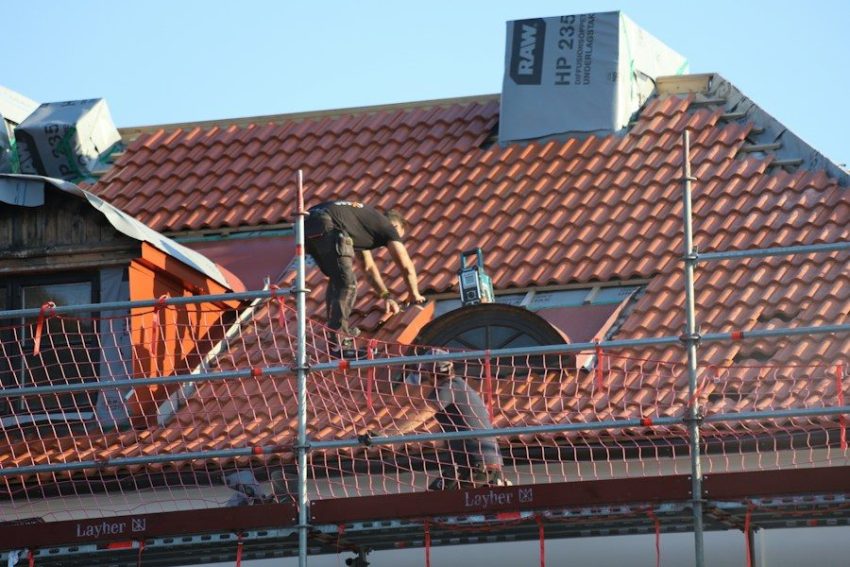
On an older house, that decision feels bigger than it should. You’re not just picking a material off a sample board. You’re deciding how the house will look, what it will weigh, and even how it will sound when it rains.
Metal is where a lot of owners end up, and for good reasons. It’s light, it sheds water fast, and it can suit anything from a farmhouse to a bungalow. The swap just goes a lot smoother when you know what’s coming before the first tile hits the dumpster.
Read the Attic Before You Read a Quote
Start under the roof, not on top of it. Grab a flashlight, climb into the attic, and look hard at the rafters, the ridge, and the underside of the roof deck.
Tile is heavy. The clay tile in one NIST study weighed about 840 pounds per 100 square feet, and your house may have been carrying that for generations. Sagging rafters, split framing, or a ridge line that dips in the middle all tell you the structure has been working overtime.
Here’s the good news. Metal takes most of that load off. A tired frame often feels the relief right away, but it still needs a proper look first. Rotted battens and soft spots around old leaks have to be fixed before anything new goes on top.
While you’re up there, find out what your old roof is actually made of. Some older homes have asbestos cement tiles or shingles. They look harmless sitting in place, and the risk shows up when they get cracked, cut, or broken during removal.
Don’t guess. EPA guidance says the only sure answer comes from lab testing, with samples taken by an accredited inspector, and it recommends testing before a renovation disturbs the material. That result decides who takes the old roof off and how.
What a Tile to Metal Conversion Actually Changes
Pulling tiles and screwing down sheets sounds simple. In practice, a proper tile to metal conversion touches almost every layer of the roof.
Tiles sit on battens spaced for tile. Metal needs its own spacing, so expect new lumber or at least a new layout. Fresh underlayment goes down too, since the old felt under a tile roof is often brittle, torn, or long gone.
Flashing is where older homes get tricky. Chimneys, dormers, and those odd little valleys were all detailed around tile. Every joint has to be rethought for metal, and this is exactly where rushed jobs start leaking.
Then there’s climate. Coastal Australia is a good example, because tile to metal conversions are routine there. Roofers quoting metal roofing Lake Macquarie jobs have to allow for salt coming off both a large saltwater lake and the ocean, so the coating grade gets settled before anyone talks about color.
That lesson travels well. If your house sits near a coast, a heavily salted road, or an industrial area, ask which coating grade suits your exposure. Then make sure the screws, flashing, and gutters are matched to it, not just the sheets.
Metal Has Been on Old Houses Longer Than You Think
Some owners worry metal will make a vintage home look like a machine shed. History is on metal’s side here.
According to the National Park Service, sheet metal roofs made to imitate clay tile were being produced by about 1855. They caught on because they were lighter, cheaper, and easier to install than real tile. Tinplate, zinc, and galvanized iron were already finding their way onto roofs around the same time.
So the real question isn’t metal or no metal. It’s which profile suits your house. A slim standing seam looks sharp on steep gables and farmhouse lines. A gentle corrugated profile can feel right on a cottage or a back porch. Matte finishes usually sit more naturally on an old house than glossy ones.
One honest caveat. If your home is on a historic register or inside a historic district, local rules may favor repairing the original tile instead. Call your preservation office before you order a single sheet. It’s a short conversation that can save a very expensive redo.
The Worries Everyone Brings Up
Rain noise comes up first, every time. Most of the drumming people remember comes from metal fixed over open framing, like a barn or a carport. Over a solid deck with underlayment and a well-insulated attic, a steady rain is usually more of a hush than a roar.
Heat is the next worry, and metal often helps rather than hurts. On a hot afternoon, a conventional roof can climb to 150°F or beyond. A reflective one under the same sun can run more than 50°F cooler, per the Department of Energy. That’s why lighter, reflective colors deserve a look, especially where summers are long.
Condensation is the one people forget. Metal cools quickly at night, and warm, damp air from the house can bead up on its underside. Good attic ventilation and the right underlayment keep that under control, which is one more reason that flashlight trip into the attic matters.
Questions Worth Asking Before You Sign
A good roofer won’t mind these. A roofer who dodges them is telling you something.
Will every tile come off? It should. Laying metal over old tile is not a shortcut worth taking on an aging frame.
How will you handle the chimney and valleys? You want new flashing made for metal, not old flashing bent into place and sealed with a tube of caulk.
How will you protect the house during the tear-off? Older homes often have fragile fascia, wavy old glass, and garden beds tight against the walls. Ask about tarps, chutes, and where the debris goes.
What does the warranty actually cover? Ask about the material warranty and the workmanship warranty separately. They’re two different promises.
Can I keep some tiles? Yes, and you should. Salvaged tiles make lovely garden edging, stepping stones, or a spare stack for the shed. It’s a sweet way to carry a bit of the old roof into the new chapter.
A Roof Built for the Next Chapter
Re-roofing is one of those projects most people only tackle once in a house. That’s reason enough to slow down. Check the frame, test the tiles, pick a profile that respects the architecture, and ask the awkward questions early.
Do that, and swapping tile for metal won’t feel like losing part of the house. It’ll feel like giving an old home a roof built to carry it forward.